
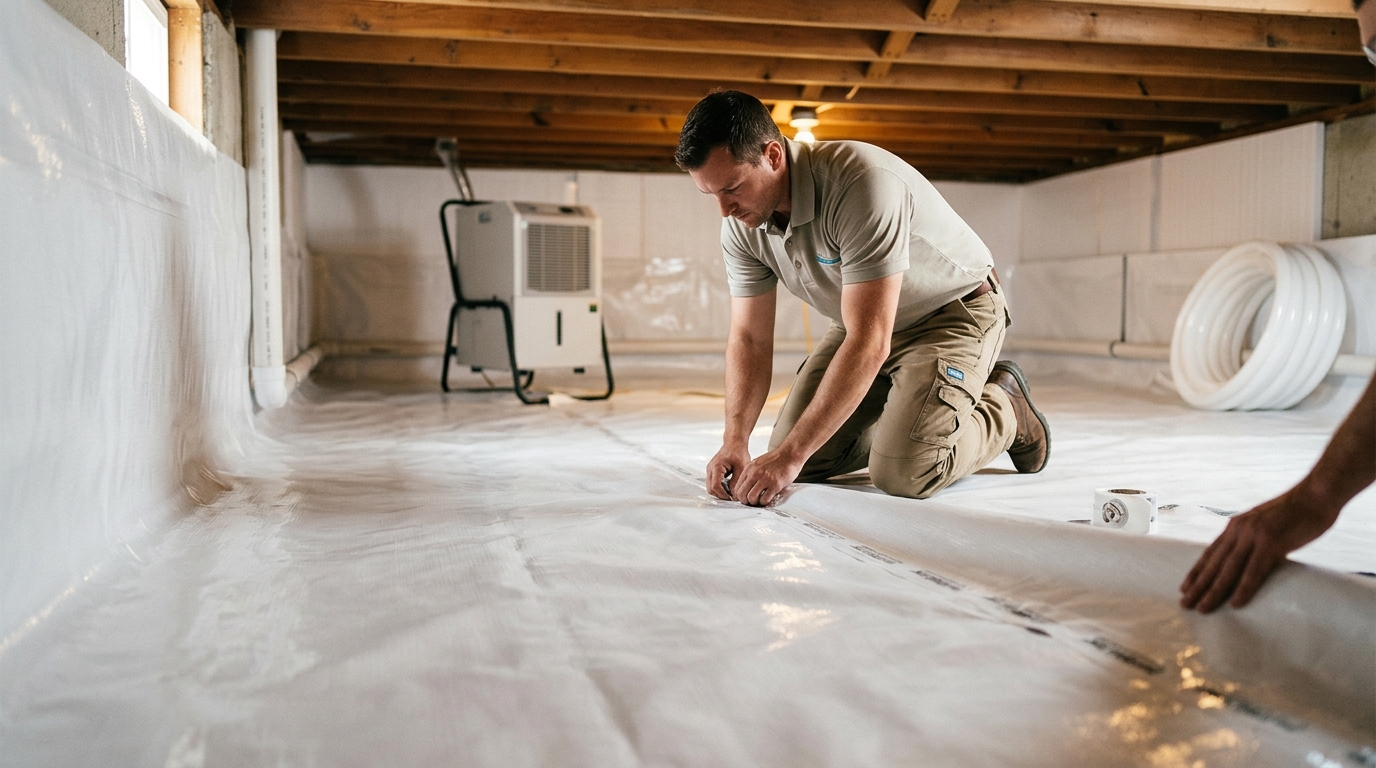
Crawl space encapsulation is no longer a luxury but a structural necessity for modern homes. According to the U.S. Department of Energy, unconditioned crawl spaces can account for up to 40% of a home's heating and cooling load, making proper material selection critical for energy efficiency. The process involves sealing the ground and walls with specialized barriers to prevent moisture intrusion, mold growth, and structural decay. Choosing the wrong materials can lead to premature failure, costly repairs, and compromised indoor air quality. This guide details the essential components required for a durable, high-performance encapsulation system.
Ground Vapor Barriers: Thickness and Durability
The foundation of any successful encapsulation project is the ground vapor barrier. This layer sits directly on the soil to block moisture vapor from rising into the crawl space. The most critical specification here is thickness, typically measured in mils. Standard residential projects often require 10 mil or 20 mil barriers, while commercial or high-moisture environments may demand 20 mil or thicker reinforced liners.
Proseal Liner is a leading brand in this category, offering high-density polyethylene sheets that resist punctures and tears during installation. When selecting a barrier, look for UV resistance if the material will be exposed to sunlight before encapsulation is complete. Additionally, consider the permeability rating. A true vapor barrier must have a permeance of less than 0.01 perm to effectively stop moisture transmission. Walder Foundation Products stocks a range of ground vapor barriers tailored to specific regional humidity levels and soil conditions.
Reinforced vs. Non-Reinforced Liners
Reinforced liners contain a mesh grid that adds tensile strength, preventing the plastic from stretching or tearing under tension. Non-reinforced liners are more flexible and easier to seam but require careful handling. For DIYers, non-reinforced options may be easier to work with, but contractors often prefer reinforced materials for their durability during long-term use.
Wall Vapor Barriers and Insulation
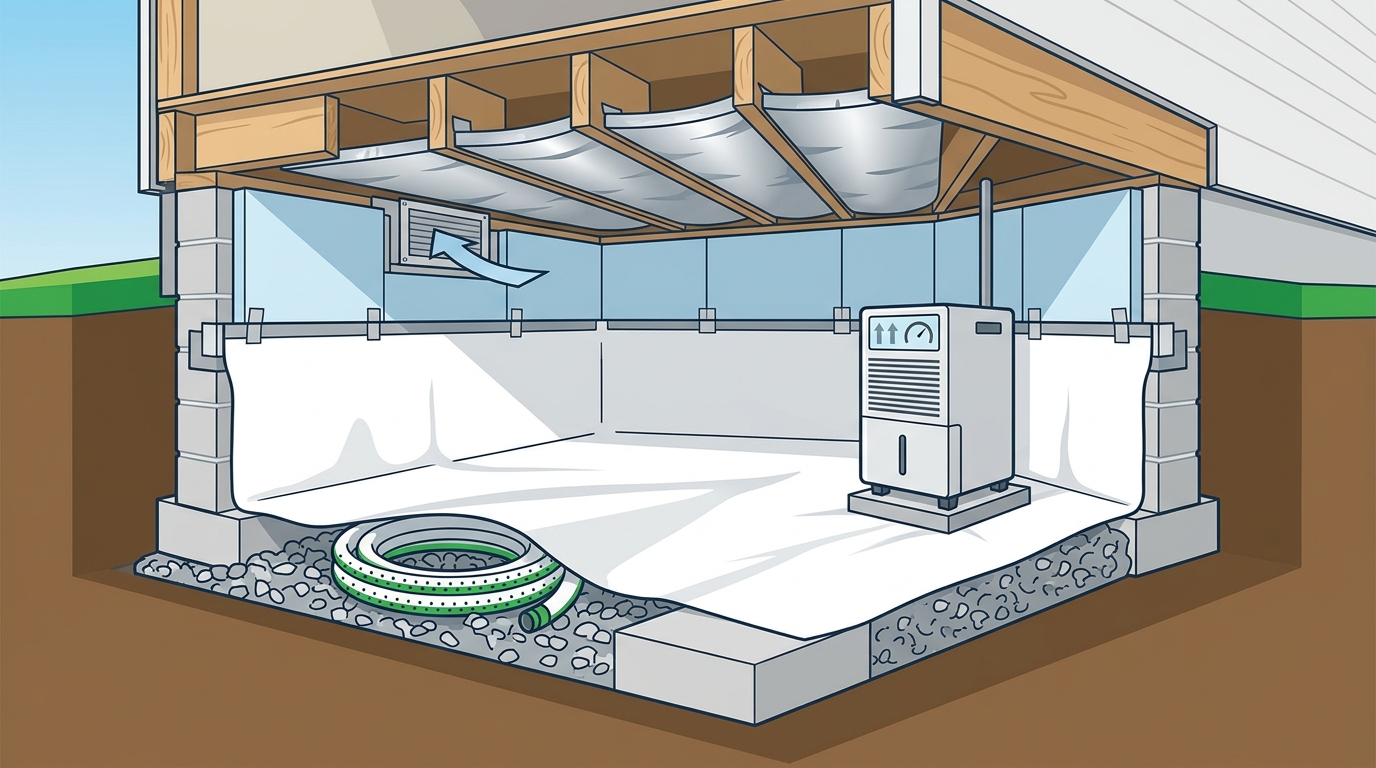
Once the ground is sealed, the focus shifts to the foundation walls. Unlike the ground, walls require materials that can adhere to concrete or masonry while providing thermal insulation. Foam board insulation is the industry standard for this application due to its high R-value per inch and moisture resistance.
Terma-Foam is a popular choice for rigid foam insulation. It is a graphite-enhanced EPS foam that offers superior thermal performance compared to traditional white foam boards. When installing foam board, it is essential to use specialized fasteners to secure the panels to the foundation. The Terma-Foam fastener pins are designed specifically for this purpose, ensuring a tight fit without damaging the foam.
Wall Vapor Barriers
In addition to foam, a wall vapor barrier is often installed over the insulation or directly on the foundation wall. This layer prevents any residual moisture from the concrete from entering the conditioned space. Walder Foundation Products offers wall vapor barriers that are compatible with various insulation types and provide an additional layer of protection against mold and mildew.
Sealing Systems: Tapes and Adhesives
The effectiveness of your vapor barrier depends entirely on the integrity of its seams. If the seams fail, moisture will bypass the barrier, rendering the entire system useless. Therefore, selecting the right tape and adhesive is just as important as the barrier itself.
WFP Pro Tape is an exclusive product from Walder Foundation Products, designed specifically for use with their vapor barriers. This heavy-duty 9 mil polyethylene tape provides a strong, long-lasting bond that resists peeling and degradation over time. For larger gaps or irregular surfaces, specialized adhesives may be required. Always ensure that the tape and adhesive are compatible with the vapor barrier material to prevent chemical reactions that could weaken the seal.
Seam Overlap Requirements
Proper installation technique is crucial. Seams should overlap by at least 6 inches to ensure adequate coverage. For ground barriers, seams should be taped on both the top and bottom if possible, or at least on the top with a continuous bead of adhesive along the bottom edge. This double-sealing method prevents moisture from wicking up through the seam.
Dehumidification and Air Quality
Even with a perfect vapor barrier, some moisture will inevitably enter the crawl space through the foundation walls or minor leaks. To maintain a dry environment, a dehumidifier is essential. This device removes excess moisture from the air, keeping the relative humidity below 50%, which inhibits mold growth and protects wooden structural components.
AprilAire is a trusted brand in the dehumidification market, offering units designed specifically for crawl spaces and basements. Their units are known for their durability and efficiency in high-humidity environments. When selecting a dehumidifier, consider the capacity in pints per day, which should match the size of your crawl space and the severity of the moisture problem. Walder Foundation Products carries a full line of AprilAire dehumidifiers and accessories, including condensate pumps and filters.
Condensate Pump Integration
If your crawl space lacks a floor drain, you will need a condensate pump to remove the water collected by the dehumidifier. The AprilAire 4856 Low Profile Condensate Pump Kit is a compact solution that fits easily into tight spaces. It automatically activates when the water level in the dehumidifier's reservoir reaches a certain point, pumping the water out through a small diameter line.
Foundation and Structural Integrity
Before encapsulating, it is vital to address any existing structural issues. Cracked foundation walls or sinking floors can compromise the integrity of the encapsulation system and the home itself. Walder Foundation Products offers a range of foundation repair products to address these problems.
Carbon Fiber Straps
Carbon fiber straps are a popular solution for stabilizing bowing basement walls. They are installed vertically along the wall and anchored to the floor and ceiling joists. The high tensile strength of carbon fiber prevents further inward movement of the wall without the need for extensive excavation. This is a cost-effective alternative to traditional wall anchors or buttresses.
Helical Piers and Push Piers
For homes with sinking foundations, helical piers or push piers can provide deep foundation support. These steel piers are driven into the ground until they reach stable soil or bedrock. They are then used to lift and stabilize the foundation. Walder Foundation Products supplies the necessary brackets and extensions for helical pile installations, ensuring a secure connection between the pier and the foundation.
Material Comparison Matrix
The following table compares common encapsulation materials to help you make an informed decision.
| Material Type | Key Feature | Best Use Case | Recommended Brand |
|---|---|---|---|
| Ground Vapor Barrier | 10-20 mil thickness | Standard residential crawl spaces | Proseal Liner |
| Rigid Foam Insulation | High R-value per inch | Foundation wall insulation | Terma-Foam |
| Seam Tape | 9 mil polyethylene | Sealing vapor barrier seams | WFP Pro Tape |
| Dehumidifier | High capacity, low profile | Moisture control in sealed spaces | AprilAire |
| Foundation Repair | Carbon fiber strength | Stabilizing bowing walls | Walder Foundation Products |
Key Takeaways
- Thickness Matters: Use at least 10 mil vapor barriers for residential projects, with 20 mil recommended for high-moisture areas.
- Seam Integrity: Use compatible tapes like WFP Pro Tape to ensure long-lasting seals on all vapor barrier seams.
- Insulation Choice: Terma-Foam provides superior thermal performance and moisture resistance compared to standard EPS foam.
- Moisture Control: A dehumidifier is essential in encapsulated spaces to manage residual humidity and prevent mold.
- Structural First: Address foundation cracks and sinking before encapsulating to ensure the long-term stability of your home.
- Brand Compatibility: Using compatible products from a single supplier like Walder Foundation Products ensures warranty coverage and optimal performance.
- Professional Installation: While DIY is possible, complex structural repairs and large-scale encapsulation are best handled by professionals.
Frequently Asked Questions
What is the best thickness for a crawl space vapor barrier?
For most residential applications, a 10 mil vapor barrier is sufficient. However, for homes with high humidity levels or those requiring greater durability, a 20 mil reinforced barrier is recommended.
Do I need a dehumidifier in an encapsulated crawl space?
Yes. Even with a vapor barrier, moisture can enter through the foundation walls. A dehumidifier maintains low humidity levels, preventing mold growth and protecting wooden structures.
How do I seal the seams of a vapor barrier?
Seams should overlap by at least 6 inches and be sealed with a compatible tape, such as WFP Pro Tape. For added security, use adhesive along the bottom edge of the seam.
What is the difference between helical piers and push piers?
Helical piers are screwed into the ground like a giant screw, while push piers are hydraulically driven into the soil. Both provide deep foundation support but are used in different soil conditions.
Can I install foam board insulation myself?
Yes, foam board insulation can be installed by DIYers. It requires cutting the boards to size and securing them to the foundation wall with specialized fasteners like Terma-Foam pins.
How often should I replace the dehumidifier filter?
It is recommended to clean or replace the dehumidifier filter every 3 to 6 months, depending on usage and environmental conditions. AprilAire offers washable MERV 8 filters for easy maintenance.
What is the role of a condensate pump?
A condensate pump removes the water collected by the dehumidifier when there is no floor drain available. It pumps the water out through a small diameter line to a safe discharge location.
Get Started with Walder Foundation Products
Ready to transform your crawl space? Walder Foundation Products offers a comprehensive range of encapsulation materials, from vapor barriers and foam insulation to dehumidifiers and foundation repair systems. Visit our product catalog to find the right materials for your project. For expert advice and contractor pricing, contact our sales team today. We are committed to helping you build a healthier, more efficient home.