
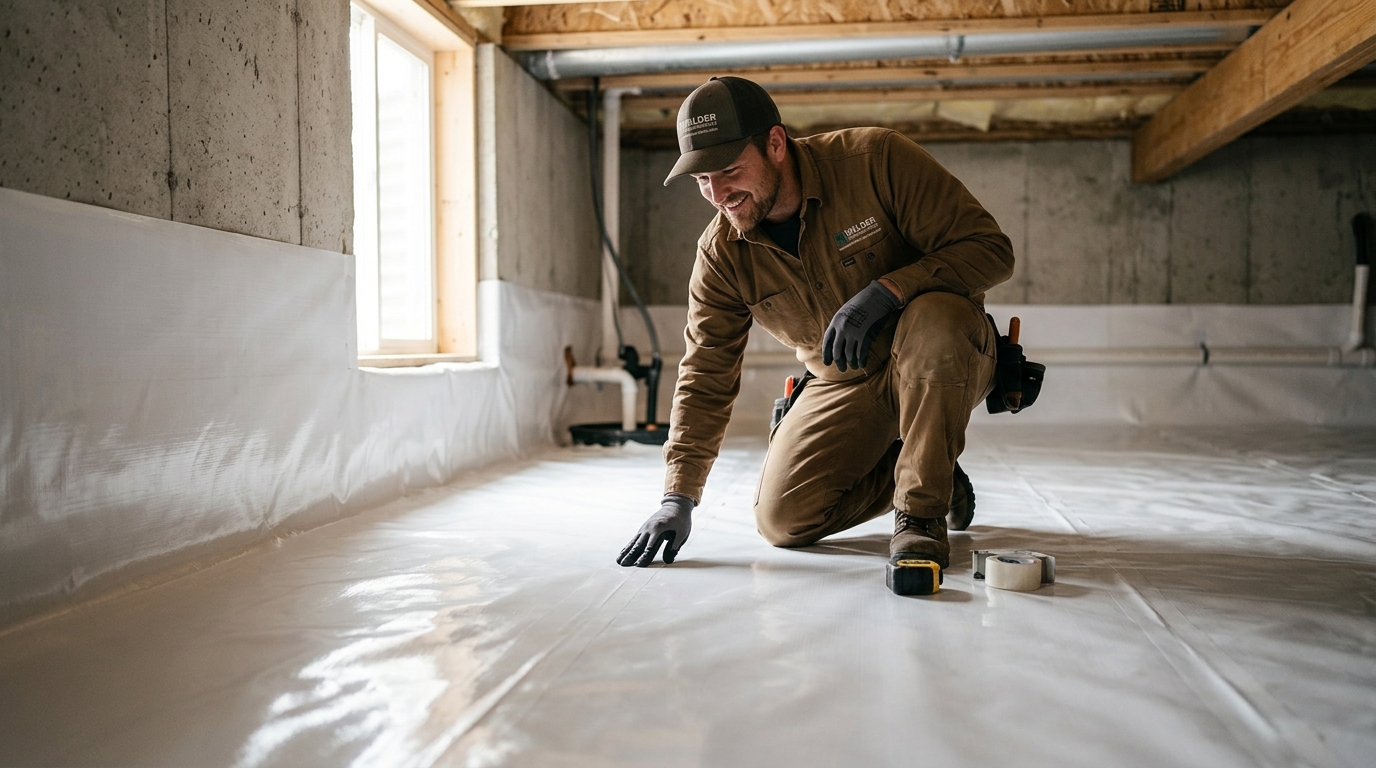
Crawl spaces are notorious for harboring moisture, mold, and structural decay if left unprotected. A high-quality vapor barrier is the first line of defense against these destructive elements. According to the Environmental Protection Agency, controlling moisture is the single most effective way to prevent mold growth in residential structures. Without a robust ground cover, soil moisture evaporates directly into the crawl space, raising humidity levels and creating an ideal environment for wood rot and pest infestations. This guide details the critical specifications you must evaluate before purchasing a vapor barrier to ensure long-term structural integrity and indoor air quality.
Thickness and Gauge Standards
The thickness of a vapor barrier is the most immediate indicator of its durability. Thinner materials, such as standard 6-mil polyethylene sheeting, are prone to tearing during installation and may degrade quickly under the weight of debris or foot traffic. A quality vapor barrier should be at least 10 mils thick, with 12 mils or higher being the industry standard for permanent encapsulation projects.
Thicker barriers provide superior puncture resistance and reduce the likelihood of micro-tears that can compromise the moisture seal. When evaluating products, look for clear mil specifications on the packaging. Walder Foundation Products offers a range of heavy-duty options designed to withstand the rigors of professional installation. Choosing a thicker gauge ensures that the barrier remains intact for decades, providing a reliable moisture shield for your home.
Material Composition and Durability
Not all polyethylene sheets are created equal. The chemical composition of the plastic determines its flexibility, strength, and resistance to environmental stress. High-quality vapor barriers are made from virgin polyethylene rather than recycled materials. Virgin polyethylene offers greater tensile strength and elasticity, allowing it to stretch slightly without breaking when installed over uneven ground.
Additionally, the material should be resistant to hydrolysis, a chemical breakdown caused by prolonged exposure to moisture. Hydrolysis-resistant barriers maintain their structural integrity even in high-humidity environments. This is particularly important in regions with high rainfall or poor drainage. By selecting a barrier made from premium virgin materials, you ensure that the product will not become brittle or crack over time. For more information on material science, refer to the American Society of Heating, Refrigerating and Air-Conditioning Engineers guidelines on building envelope performance.
Seam Welding and Tape Quality
A vapor barrier is only as strong as its seams. The joints where individual sheets overlap are the most vulnerable points for moisture infiltration. Quality vapor barriers are designed to be seam-welded, meaning the edges are fused together using heat to create a monolithic, waterproof layer. This method eliminates the need for mechanical fasteners that can puncture the material and create leak paths.
When welding is not possible, high-performance seam tapes are essential. Look for tapes that are specifically formulated to bond with polyethylene surfaces. The YCS Seam Weld Tape is an example of a product designed to permanently secure ground vapor barriers. It features an aggressive adhesive that bonds to damp surfaces, ensuring a tight seal even in less-than-ideal conditions. Proper seam preparation and application are critical to maintaining the barrier's effectiveness.
UV Resistance and Longevity
If your crawl space encapsulation project involves any exposure to sunlight, UV resistance is a non-negotiable feature. Standard polyethylene degrades rapidly when exposed to ultraviolet rays, becoming brittle and crumbling within months. UV-resistant vapor barriers contain stabilizers that protect the material from solar damage, allowing it to maintain its strength and flexibility during installation and long-term use.
This feature is particularly important for homes with vented crawl spaces that may experience occasional sunlight penetration. UV resistance ensures that the barrier does not fail prematurely, reducing the need for frequent replacements. For detailed data on material degradation, consult the Plastics Industry Association reports on polymer stability. Investing in UV-stabilized materials saves money and labor costs in the long run.
Installation Methods and Fastening
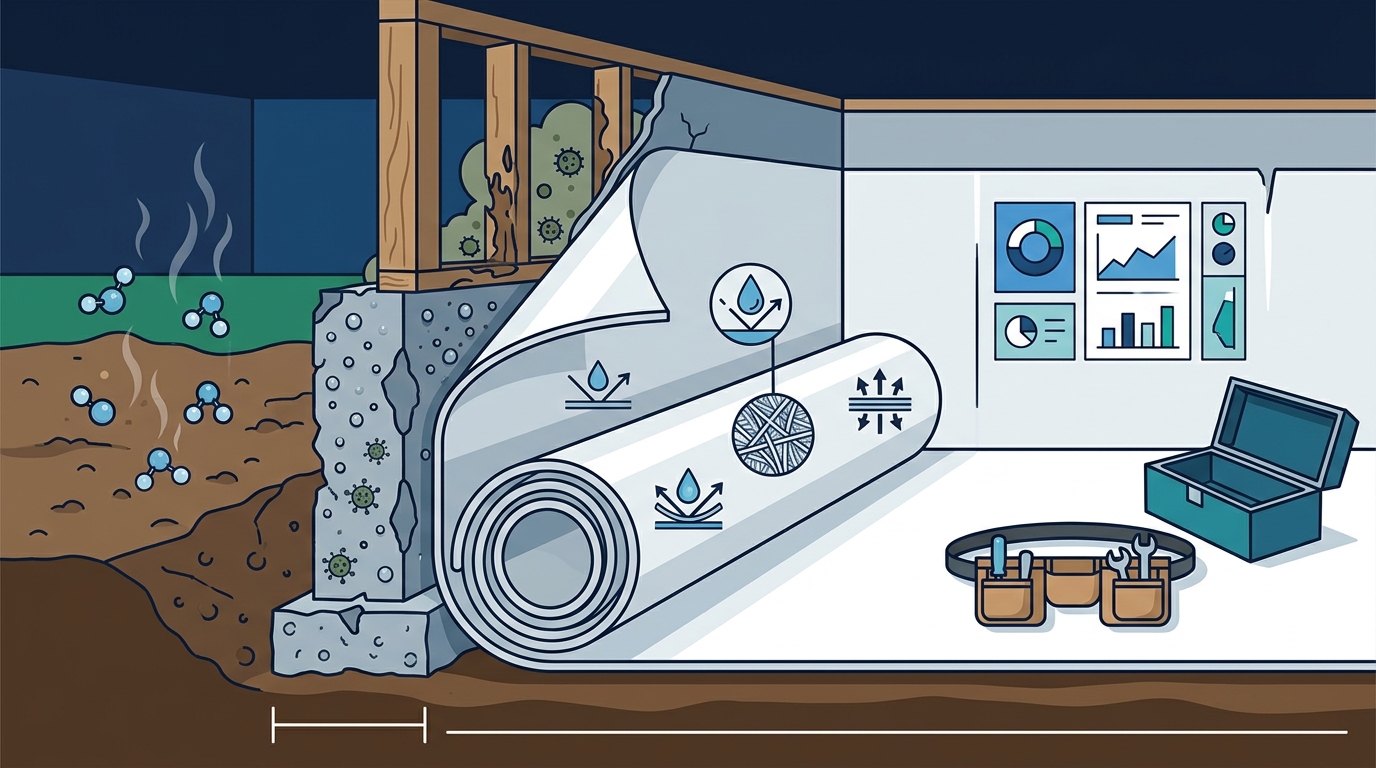
Proper installation is just as important as the quality of the material. A quality vapor barrier should be easy to install, with clear guidelines for fastening and sealing. Look for products that come with recommended fastening methods, such as staples, cap nails, or adhesive strips. The barrier should be laid flat against the ground, with seams overlapping by at least 6 inches.
For wall applications, consider using wall liners that are compatible with your ground vapor barrier. The PowerBarrier Reflective Insul-Barrier is a high-performance option that combines insulation and vapor barrier properties in one product. It is designed to be installed on crawl space walls, providing both thermal resistance and moisture protection. Ensure that all edges are securely fastened to the foundation walls to prevent air leakage. Proper installation techniques are detailed in the National Association of Home Builders inspection standards.
Vapor Barrier Comparison
| Feature | Standard 6-Mil Poly | 10-12 Mil Heavy-Duty | Reflective Insul-Barrier |
|---|---|---|---|
| Thickness | 6 mils | 10-12 mils | Multi-layer composite |
| Puncture Resistance | Low | High | Very High |
| UV Resistance | None | Optional | High |
| Insulation Value | None | None | R-12 |
| Seam Welding | Not Recommended | Yes | Yes |
Key Takeaways
- Always choose a vapor barrier that is at least 10 mils thick for optimal durability and puncture resistance.
- Prioritize virgin polyethylene materials to ensure tensile strength and resistance to hydrolysis.
- Seam welding is the gold standard for creating a monolithic moisture barrier; use high-quality tape if welding is not feasible.
- UV-resistant materials are essential for any installation with potential sunlight exposure to prevent premature degradation.
- Consider multi-functional products like the PowerBarrier Reflective Insul-Barrier for combined insulation and moisture protection.
- Proper installation techniques, including secure fastening and overlapping seams, are critical for long-term performance.
- Walder Foundation Products offers a comprehensive range of vapor barriers and accessories tailored for professional and DIY use.
Frequently Asked Questions
What is the difference between a vapor barrier and a moisture barrier?
A vapor barrier is specifically designed to block water vapor transmission, while a moisture barrier may only resist liquid water. For crawl spaces, a vapor barrier is essential to prevent ground moisture from evaporating into the home.
How thick should a crawl space vapor barrier be?
A quality vapor barrier should be at least 10 mils thick. Thicker barriers, such as 12 mils or more, offer superior puncture resistance and longevity.
Can I use regular plastic sheeting for a crawl space?
Regular plastic sheeting is typically too thin and lacks the necessary durability and UV resistance. It is prone to tearing and degradation, making it unsuitable for long-term crawl space encapsulation.
How do I seal the seams of a vapor barrier?
Seams should be sealed using seam welding or high-performance polyethylene seam tape. Overlap the seams by at least 6 inches and ensure a tight, continuous bond to prevent moisture infiltration.
Is UV resistance important for crawl space vapor barriers?
Yes, UV resistance is crucial if the barrier will be exposed to sunlight. Without UV stabilizers, the plastic will become brittle and crumble, leading to failure.
What is the best vapor barrier for crawl space walls?
The PowerBarrier Reflective Insul-Barrier is an excellent choice for walls, as it combines insulation with vapor barrier properties, providing R-12 thermal resistance.
How often should a crawl space vapor barrier be replaced?
A high-quality, properly installed vapor barrier can last for decades. However, regular inspections are recommended to check for tears, punctures, or degradation.
Get Started with Walder Foundation Products
Protecting your home starts with the right materials. Walder Foundation Products offers a comprehensive selection of high-quality vapor barriers, tapes, and accessories designed for durability and ease of installation. Visit our product catalog to find the perfect solution for your crawl space encapsulation project. Contact our team at 804-798-3605 for expert advice and contractor pricing.