
Helical Piles vs. Push Piers: Which Foundation Repair Method Is Right for Your Home?
Foundation instability is a critical issue that affects millions of homeowners across the United States. According to data from the National Association of Realtors, structural damage is a primary concern during home inspections, often leading to significant repair costs and negotiation hurdles. When a home's foundation begins to settle or shift, the structural integrity of the entire building is compromised. This can manifest as cracked walls, sticking doors, and uneven floors. The choice between helical piles and push piers is not merely a matter of preference but a technical decision based on soil conditions, load requirements, and project timelines. Understanding the distinct advantages of each system is essential for making an informed decision that protects your property's value and safety.
Understanding the Basics of Foundation Support
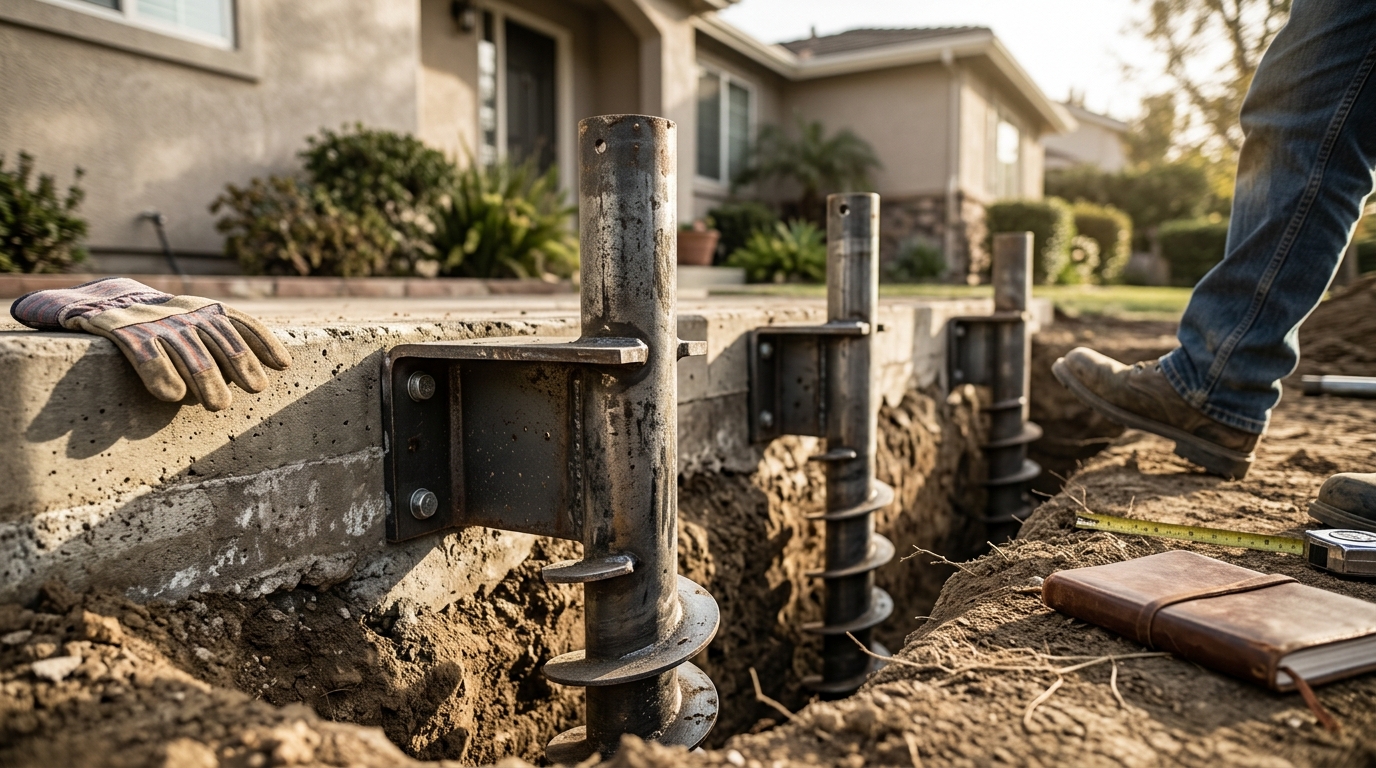
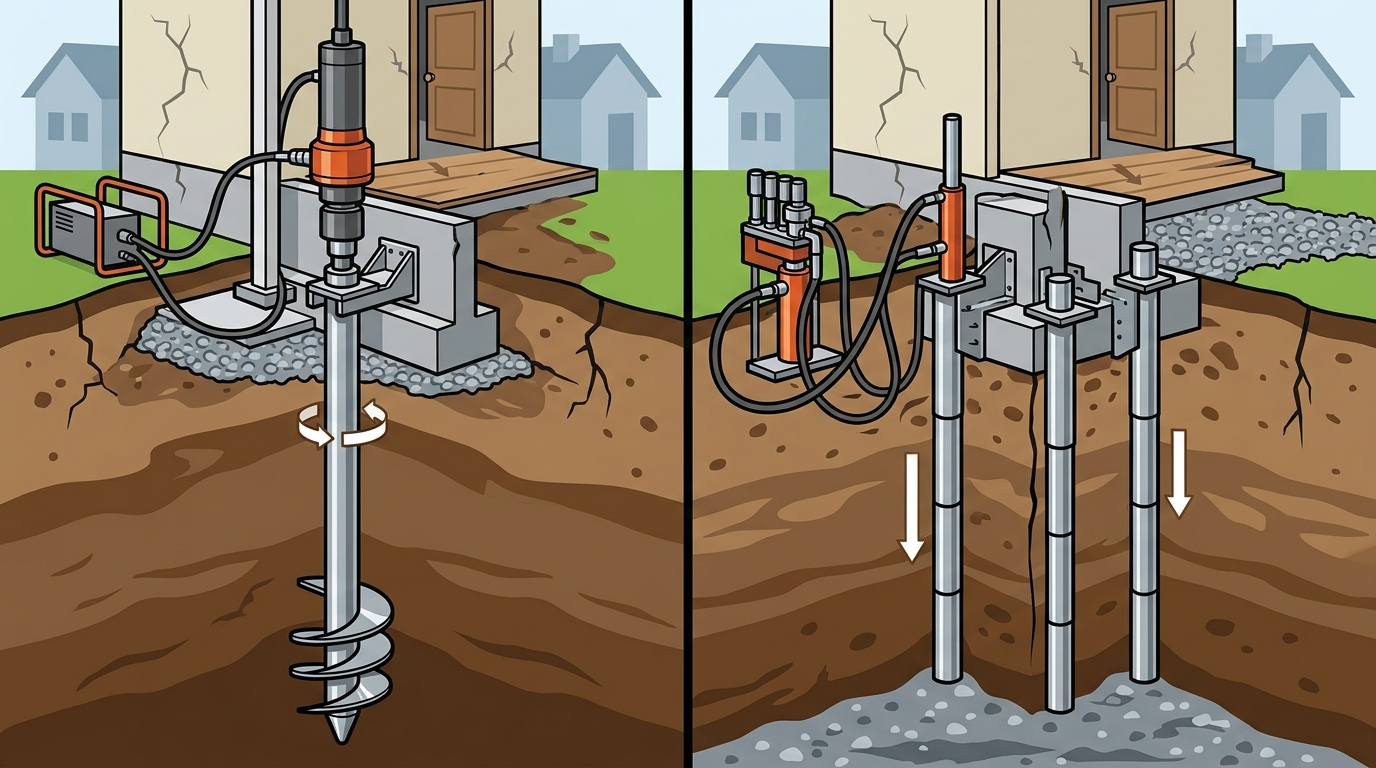
Before diving into the specific comparison, it is crucial to define the core mechanisms of both systems. Helical piles are steel shafts with helical plates, similar to a giant screw, that are twisted into the ground until they reach stable soil or bedrock. Push piers are steel pipes that are hydraulically driven into the ground beneath the foundation until they reach load-bearing strata. Both systems serve to transfer the weight of the structure away from unstable surface soils to deeper, more competent layers. However, the method of installation and the resulting performance characteristics differ significantly.
At Walder Foundation Products, we supply the high-grade materials required for both systems, including helical pile components and push pier brackets. Our inventory ensures that contractors and DIY enthusiasts have access to the necessary hardware for durable, long-lasting repairs. The choice between these two methods often comes down to the specific geological conditions of your property.
Key Advantages of Helical Piles
Helical piles have gained significant popularity in recent years due to their versatility and minimal environmental impact. One of the primary advantages is their ability to be installed in a wide variety of soil conditions, including those with dense debris or boulders that might obstruct push piers. The twisting motion allows them to penetrate difficult layers more effectively than driven piles.
Immediate Load Capacity
Unlike some foundation systems that require curing time, helical piles provide immediate load-bearing capacity. This is because they are mechanically anchored into the soil. The torque used during installation is directly correlated to the load capacity, allowing engineers to verify the strength of the pile in real-time. This instant stability is crucial for emergency underpinning projects where further settlement must be halted immediately.
Minimal Vibration and Noise
Installation of helical piles is relatively quiet and generates minimal vibration. This makes them an ideal choice for residential areas, historic homes, or projects near sensitive structures. In contrast, the hydraulic driving process of push piers can generate more noise and ground vibration, which may be a concern in densely populated neighborhoods.
Environmental Sustainability
Helical piles are often considered more environmentally friendly. They are typically made from recyclable steel and do not require the removal of large amounts of soil during installation. This "green" aspect is increasingly important for modern construction and renovation projects that prioritize sustainability.
How Push Piers Work and Their Limitations
Push piers, also known as resistance piers, rely on the weight of the structure itself to drive them into the ground. Hydraulic rams are used to push the steel pipes through unstable soil until they reach a load-bearing layer. This method is highly effective in areas where competent soil or bedrock is located at a relatively shallow depth.
Reliability in Specific Soil Types
Push piers excel in cohesive soils, such as clay, where they can achieve significant resistance. However, they may struggle in loose, sandy soils or gravelly conditions where there is insufficient friction or bearing capacity to drive the piers deeper. In such cases, helical piles are often the superior choice because their helical plates can engage stable soil layers regardless of the overlying soil's density.
Dependency on Structure Weight
A critical limitation of push piers is their dependency on the weight of the structure. If the building is not heavy enough to provide the necessary resistance for driving the piers, additional counterweights or temporary supports must be used. This can complicate the installation process and increase labor costs. Helical piles, being screwed in, do not have this limitation.
Comparative Analysis: Soil and Load Factors
The decision between helical piles and push piers is heavily influenced by the soil profile and the required load capacity. Here is a detailed look at how they compare in critical areas.
| Factor | Helical Piles | Push Piers |
|---|---|---|
| Installation Method | Torqued into the ground like a screw. | Hydraulically pushed using structure weight. |
| Soil Compatibility | Excellent in loose, sandy, or debris-filled soils. | Best in cohesive soils with shallow bedrock. |
| Load Verification | Real-time torque verification ensures capacity. | Depth and resistance are used as proxies. |
| Environmental Impact | Low vibration, minimal soil displacement. | Higher vibration, potential soil heave. |
| Installation Speed | Generally faster in difficult soil conditions. | Can be slower if reaching bearing strata is difficult. |
For homes in regions with expansive clay soils, which are common in many parts of the United States, the immediate stability provided by helical piles can be a significant advantage. According to industry reports, homes in areas with high moisture variation benefit from the deep anchoring provided by helical systems, which bypass the active soil zone.
Cost, Installation, and Long-Term Value
While the initial cost of helical piles can be higher than push piers due to the complexity of the hardware, the long-term value often justifies the investment. Helical piles are less susceptible to corrosion if high-quality materials are used, and their installation process is less invasive. This means less damage to your landscaping and exterior hardscaping.
At Walder Foundation Products, we offer a comprehensive range of foundation repair supplies, including carbon fiber kits for wall stabilization and floor jack supports for slab leveling. Our commitment to quality ensures that every component, from the helical plates to the brackets, meets rigorous industry standards. We also provide contractor pricing for professionals who need reliable, bulk supplies for their projects.
When considering the total cost of ownership, the durability and minimal maintenance requirements of helical piles make them a compelling option. They are designed to last for decades, providing peace of mind for homeowners. Additionally, the ability to install them in any weather condition reduces project delays, which can also contribute to cost savings.
Key Takeaways
- Soil Versatility: Helical piles are superior in loose, sandy, or debris-filled soils where push piers may fail to reach bearing strata.
- Immediate Stability: Helical piles provide immediate load capacity upon installation, whereas push piers rely on the structure's weight for installation.
- Real-Time Verification: The torque used to install helical piles allows for real-time verification of load capacity, ensuring structural integrity.
- Environmental Impact: Helical pile installation generates less vibration and noise, making them ideal for residential and historic properties.
- Long-Term Durability: High-quality helical piles are designed to withstand corrosive soil conditions, offering a long-lasting foundation solution.
- Supply Chain: Walder Foundation Products provides essential components for both systems, ensuring contractors have access to top-tier materials.
- Professional Consultation: Always consult with a structural engineer or foundation specialist to determine the best system for your specific soil conditions.
Frequently Asked Questions
Can helical piles be used in rocky soil?
Helical piles can be used in rocky soil, but installation may require specialized equipment to penetrate the rock. In some cases, pre-drilling may be necessary. Push piers may also struggle in rocky conditions, making the choice dependent on the depth and density of the rock layer.
Are helical piles more expensive than push piers?
Helical piles can have a higher initial material cost, but the overall project cost may be comparable or even lower due to faster installation times and reduced labor requirements in difficult soil conditions.
How long do helical piles last?
Helical piles are designed to last for decades, often exceeding 100 years, provided they are made from corrosion-resistant materials and installed correctly. The steel used in Walder Foundation Products is typically galvanized or coated to prevent corrosion.
Do push piers work in all soil types?
No, push piers are most effective in cohesive soils like clay. They may not be suitable for loose sandy soils or gravelly conditions where they cannot achieve sufficient resistance.
Can I install helical piles myself?
While it is technically possible to install helical piles with the right equipment and knowledge, it is generally recommended to hire a professional foundation repair contractor. Proper installation is critical to ensure the piles reach the required load-bearing capacity.
What is the difference between helical anchors and helical piles?
The terms are often used interchangeably. Helical anchors are typically used for tension applications, such as holding down structures, while helical piles are used for compression loads, such as supporting foundation columns. However, the basic design and installation method are similar.
How is the load capacity of a helical pile determined?
The load capacity is determined by the torque required to install the pile. Engineers use established formulas to correlate torque with load capacity, ensuring that the pile can support the intended structural load.
Get Your Foundation Assessment
Foundation repair is a significant investment in your home's future. By understanding the advantages of helical piles over push piers, you can make a more informed decision that aligns with your property's unique needs. Whether you are a contractor looking for reliable supplies or a homeowner seeking peace of mind, Walder Foundation Products is here to support you.
Visit our product catalog to explore our full range of foundation repair materials, including helical pile components and push pier brackets. For personalized assistance, contact our sales team at 804-798-3605 or visit our about page to learn more about our commitment to quality and service.