
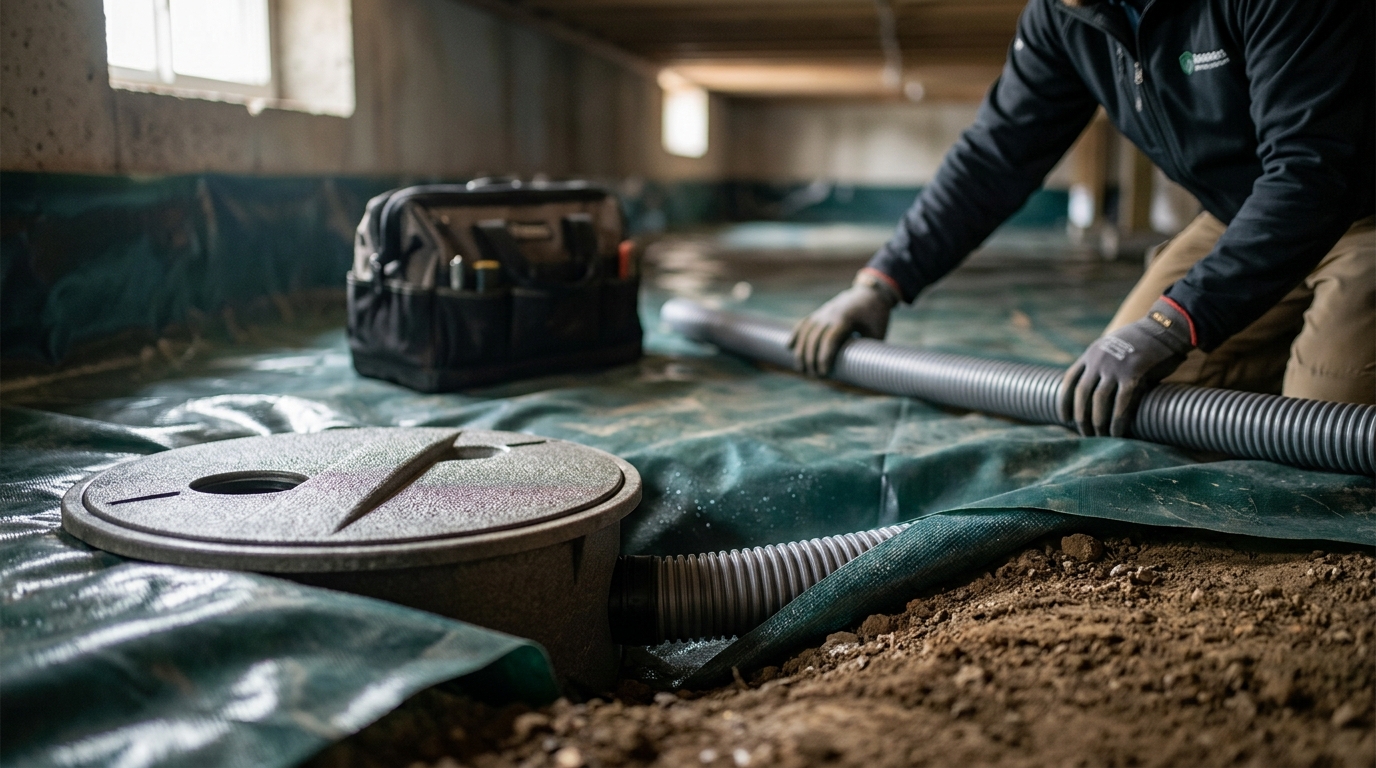
Water intrusion is the primary catalyst for structural decay in residential foundations. According to the U.S. Environmental Protection Agency, approximately 40% of homes have moisture problems in their crawl spaces, making effective drainage not just a maintenance task but a critical preservation strategy. Without a robust drainage infrastructure, hydrostatic pressure builds against foundation walls, leading to cracks, efflorescence, and eventual structural failure. This guide details the essential engineering and material factors you must evaluate when selecting drainage products to protect your property.
Understanding Crawl Space Drainage Systems
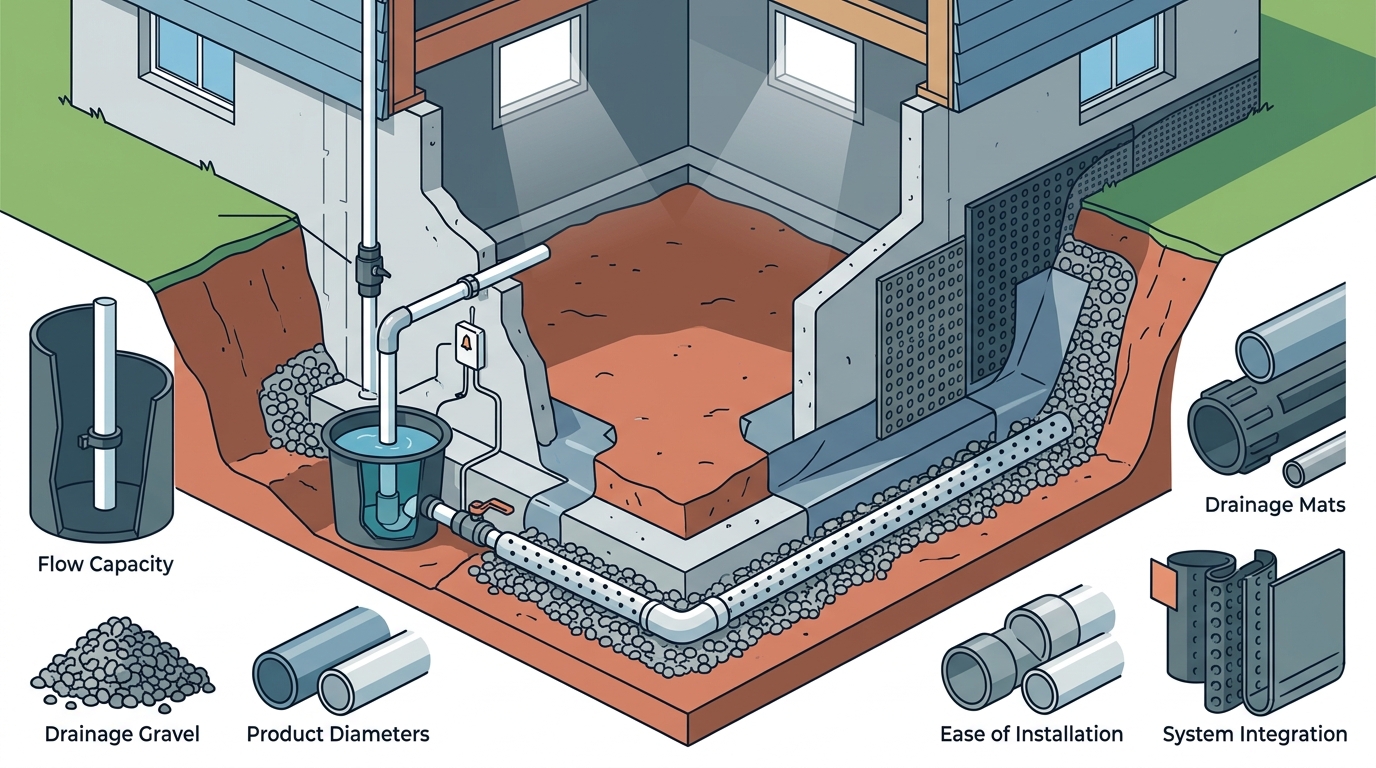
Effective drainage begins with the correct perimeter system. The standard approach involves installing a perforated pipe along the interior perimeter of the foundation footer. This pipe collects groundwater and directs it toward a sump pump system. The choice of pipe material and diameter dictates the flow rate and longevity of the system.
When evaluating products, consider the hydraulic capacity. A 3-inch or 4-inch perforated pipe is standard for residential applications. The pipe must be surrounded by clean, washed gravel or a drainage composite to prevent soil clogging. Walder Foundation Products offers a comprehensive range of drainage components, including PVC pipe fittings and couplings, which are essential for creating a watertight network. The goal is to create a path of least resistance for water to exit the crawl space before it can exert pressure on the foundation walls.
Another critical factor is the slope of the drainage pipe. Gravity is the primary force moving water. The pipe must be installed with a consistent downward slope toward the sump pit. Any low spots can lead to standing water, which eventually freezes in colder climates or becomes a breeding ground for mold. Proper installation ensures that the drainage system remains active and efficient throughout the year.
Material Selection and Durability
The longevity of your drainage system depends heavily on the materials used. Traditional corrugated plastic pipes are common but can collapse under heavy soil loads over time. Rigid PVC or ABS pipes offer superior structural integrity and resistance to crushing. These materials maintain their shape and internal diameter, ensuring consistent water flow for decades.
Corrosion resistance is another vital consideration. In areas with high soil acidity or alkalinity, metal components will degrade rapidly. PVC and high-density polyethylene (HDPE) are immune to chemical corrosion. Additionally, consider the UV resistance of any exposed components. While most drainage products are buried, any exposed fittings or vent covers must withstand sunlight without becoming brittle.
For those seeking premium solutions, look for products that meet ASTM standards for drainage performance. These standards ensure that the material can handle specific pressure loads and flow rates. Investing in high-quality materials reduces the need for future repairs and extends the service life of the entire crawl space encapsulation system. Explore our all products catalog to find durable, code-compliant drainage materials.
Integration with Vapor Barriers
Drainage products do not operate in isolation. They must integrate seamlessly with the vapor barrier system. A crawl space encapsulation project typically involves laying a heavy-duty polyethylene vapor barrier over the ground and up the foundation walls. The drainage pipe is installed beneath or alongside this barrier.
The vapor barrier acts as a secondary line of defense, preventing ground moisture from evaporating into the crawl space air. When selecting drainage products, ensure that the connection points between the pipe and the barrier are sealed tightly. Use specialized tapes and adhesives to create an airtight seal. ProSeal Liner tapes are designed for this purpose, providing a strong bond that resists peeling and degradation.
Proper integration also involves managing the transition from the drainage pipe to the sump pump. The sump pit must be positioned at the lowest point of the drainage network. The vapor barrier should be cut and sealed around the sump pit liner to prevent water from bypassing the system. This holistic approach ensures that both liquid water and vapor are controlled effectively.
Dehumidification and Moisture Control
Even with a perfect drainage system, residual moisture can remain in the air. This is where dehumidification becomes critical. A drainage system removes liquid water, but a dehumidifier removes water vapor. Both are necessary for a completely dry crawl space.
When selecting drainage products, consider the capacity of your dehumidifier. If the drainage system is undersized, the dehumidifier will work overtime, leading to higher energy bills and premature equipment failure. The drainage system should handle the bulk of the water intrusion, allowing the dehumidifier to manage ambient humidity levels.
Choose a dehumidifier with a high capacity, measured in pints per day. For most crawl spaces, a 50 to 70-pint unit is sufficient. However, in high-water-table areas, you may need a larger unit. AprilAire dehumidifiers are industry leaders in moisture control, offering reliable performance and durable construction. Ensure that the dehumidifier has a built-in condensate pump or a connection for one, so the collected water can be directed into your drainage system.
Comparing Drainage Solutions
Selecting the right drainage product requires comparing different options based on your specific site conditions. Below is a comparison of common drainage components to help you make an informed decision.
| Product Type | Primary Function | Best For | Key Consideration |
|---|---|---|---|
| Perforated PVC Pipe | Collects and transports groundwater | High water table areas | Requires proper slope and gravel surround |
| Drainage Dimple Board | Channels water down foundation walls | Exterior foundation protection | Must be installed before backfilling |
| Sump Pump Systems | Removes collected water from crawl space | Low-lying crawl spaces | Requires backup power source |
| Vapor Barriers | Prevents ground moisture evaporation | All crawl spaces | Must be sealed at all seams |
Each product plays a distinct role in the overall moisture management strategy. Perforated pipes handle the bulk of liquid water. Dimple boards protect the foundation walls from hydrostatic pressure. Sump pumps actively remove water from the system. Vapor barriers prevent future moisture intrusion. A complete solution requires all these components working in harmony.
Key Takeaways
- Hydraulic Capacity: Ensure drainage pipes are sized correctly to handle the expected water volume in your region.
- Material Integrity: Choose rigid PVC or HDPE pipes over flexible corrugated options for better crush resistance.
- Sealed Integration: All connections between drainage pipes and vapor barriers must be airtight to prevent bypass.
- Dehumidifier Synergy: Drainage systems and dehumidifiers must be balanced to avoid equipment overload.
- Professional Installation: Proper slope and grading are critical for gravity-fed drainage systems to function correctly.
- Regular Maintenance: Inspect sump pumps and drainage outlets annually to ensure they are clear and operational.
Frequently Asked Questions
What is the best material for crawl space drainage pipes?
Rigid PVC or ABS pipes are generally preferred over corrugated plastic because they resist crushing and maintain their internal diameter over time. This ensures consistent water flow and reduces the risk of blockages.
How do I connect a sump pump to my crawl space drainage system?
The sump pump discharge line should be connected to the main drainage pipe using a watertight coupling. The line must be sloped away from the sump pit to allow gravity to assist in water removal. Always include a check valve to prevent backflow.
Can I install a vapor barrier over existing drainage pipes?
Yes, but the vapor barrier must be carefully cut and sealed around the pipes. Use high-quality vapor barrier tape to create an airtight seal. This prevents moisture from bypassing the barrier and entering the crawl space air.
What size dehumidifier do I need for my crawl space?
The size depends on the square footage and moisture levels. A general rule is to choose a dehumidifier with a capacity of at least 50 pints per day for standard crawl spaces. For larger or wetter spaces, consider a 70-pint or larger unit.
How often should I inspect my crawl space drainage system?
Inspect your drainage system at least once a year, preferably before the rainy season. Check for clogs in the perforated pipes, ensure the sump pump is functioning, and verify that the vapor barrier is intact and sealed.
What is the difference between a sump pump and a condensate pump?
A sump pump is designed to handle large volumes of groundwater from the drainage system. A condensate pump is smaller and designed to remove water collected by dehumidifiers or air conditioners. Both are essential for complete moisture control.
Do I need a drain tile system in my crawl space?
Drain tile, or perforated pipe, is essential in areas with high water tables or poor soil drainage. It collects groundwater and directs it to the sump pit, preventing hydrostatic pressure from building up against the foundation walls.
Secure Your Foundation Today
Protecting your home from water damage requires careful selection of drainage products and professional installation. At Walder Foundation Products, we provide the highest quality materials and expert guidance to ensure your crawl space remains dry and structurally sound. Contact our team today to discuss your specific needs and get started on your project.