
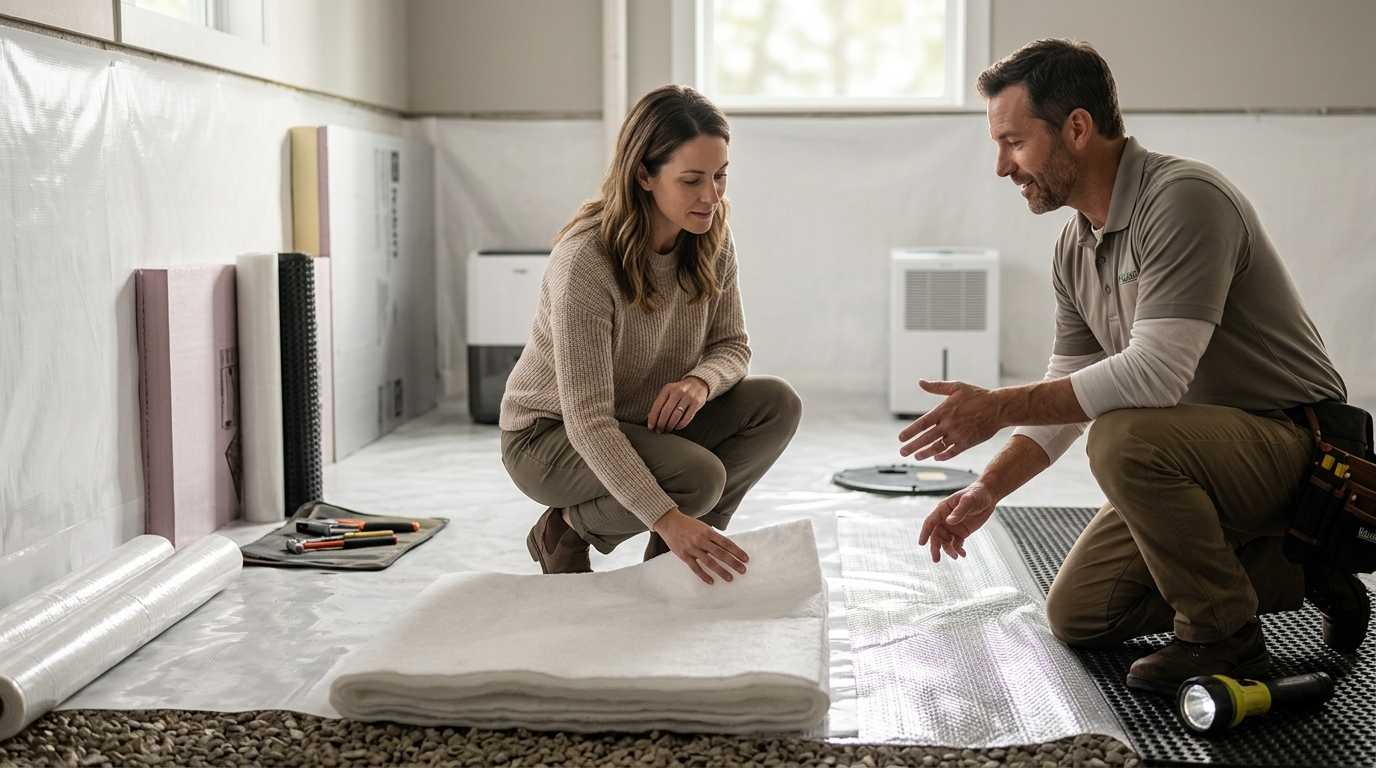
Crawl space encapsulation is no longer a luxury but a structural necessity for modern homes. According to the U.S. Department of Energy, unconditioned crawl spaces are responsible for significant moisture intrusion that compromises indoor air quality and structural integrity. The effectiveness of your encapsulation project hinges entirely on the vapor barrier you select. Not all barriers are created equal. Some offer basic moisture resistance, while others provide multi-layered protection against radon, mold, and thermal loss. Choosing the wrong material can lead to premature failure, costly repairs, and persistent musty odors. This guide breaks down the critical differences between ground vapor barriers, wall liners, and specialized insulation barriers to help you make an informed decision.
Ground Vapor Barriers: Thickness and Material
The ground vapor barrier is the foundation of any encapsulation system. It sits directly on the dirt floor of your crawl space, preventing soil moisture from evaporating into the home. The primary differentiator here is thickness, measured in mils. Thicker barriers are not just more durable; they are more effective at blocking vapor transmission.
6 Mil vs. 10 Mil vs. 20 Mil Barriers
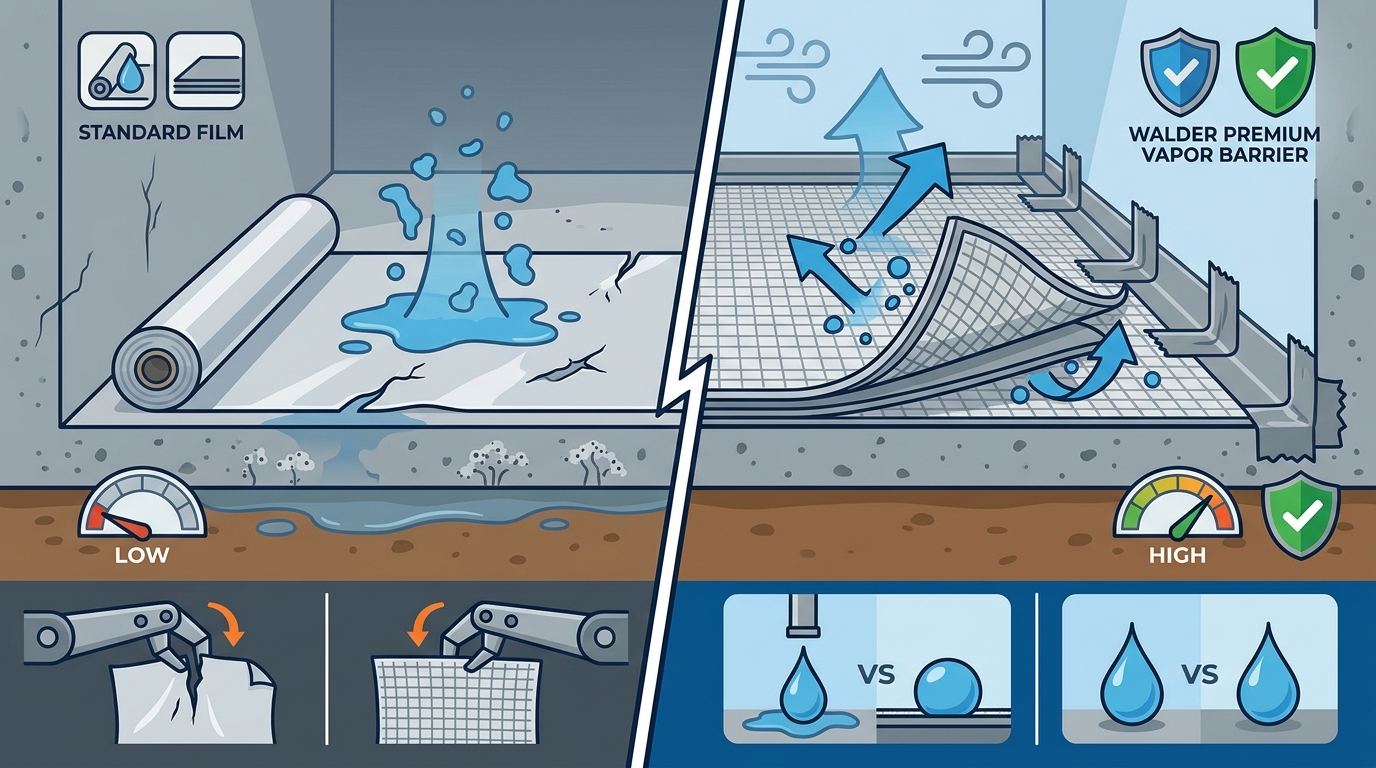
Standard construction-grade polyethylene is often 6 mil thick. While affordable, it is highly susceptible to tearing during installation and long-term degradation from soil chemicals. Walder Foundation Products recommends upgrading to at least 10 mil or 20 mil barriers for residential applications. These thicker materials offer superior puncture resistance and longer lifespan. The Proseal Liner series is a popular choice among contractors for its balance of cost and performance.
Material Composition
High-quality vapor barriers often include additives to resist mold growth and reduce permeability. A vapor barrier is a material designed to prevent the passage of water vapor. In high-humidity regions, the permeability rating becomes critical. Lower permeability ratings indicate a more effective barrier against moisture migration. Always check the manufacturer's specifications for vapor transmission rates before purchasing.
Wall Vapor Barriers: Moisture and Mold Control
While ground barriers address moisture from below, wall vapor barriers protect the foundation walls from lateral moisture intrusion and condensation. These barriers are essential for creating a fully encapsulated, conditioned crawl space.
Reflective vs. Non-Reflective Liners
Reflective wall barriers, such as the PowerBarrier Reflective Insul-Barrier, serve a dual purpose. They act as a vapor barrier while also providing thermal insulation. The reflective surface radiates heat back into the living space, improving energy efficiency. Non-reflective wall liners are purely for moisture control and are often used in conjunction with separate insulation batts.
Installation and Sealing
The effectiveness of wall barriers depends heavily on proper sealing. Gaps at the seams or edges allow moist air to bypass the barrier. Using high-quality tapes like the YCS Seam Weld Tape ensures a permanent, airtight seal. This tape is designed to bond aggressively with polyethylene surfaces, preventing delamination over time.
Insulation and Reflective Barriers
Insulation plays a vital role in maintaining temperature stability within the crawl space. Different types of insulation offer varying levels of R-value and moisture resistance.
Foam Board Insulation
Foam board insulation, such as extruded polystyrene (XPS), is highly resistant to moisture absorption. It maintains its R-value even when wet, making it ideal for damp environments. Foam board is also rigid, providing structural support to the vapor barrier. It is commonly installed on the walls or under the floor joists.
Blown-In Cellulose Insulation
Products like SANCTUARY® Blow-In or Spray-Applied Insulation by Greenfiber offer excellent coverage for irregular spaces. Cellulose is treated with borates to resist mold, pests, and fire. However, it requires a proper vapor barrier to prevent moisture saturation, which can reduce its effectiveness. It is best used in conjunction with encapsulated walls.
Spray Foam Applications
Spray foam provides an airtight seal and high R-value per inch. It expands to fill gaps and cracks, preventing air leakage. Closed-cell spray foam is particularly effective as it acts as both an insulator and a vapor barrier. However, it is more expensive and requires professional installation.
Durability Factors: Puncture Resistance and UV Stability
Durability is determined by how well the barrier withstands physical stress and environmental exposure. Puncture resistance is critical during installation, as workers often walk on the barriers. UV stability is important if the barrier is exposed to sunlight before encapsulation.
Puncture Resistance Testing
Manufacturers test barriers using standardized methods to measure puncture resistance. Thicker barriers generally score higher. A barrier that tears easily will compromise the entire encapsulation system. Look for barriers with high tear strength ratings to ensure longevity.
Chemical Resistance
Soil contains various chemicals and acids that can degrade polyethylene over time. High-quality barriers include stabilizers to resist chemical breakdown. This is particularly important in regions with acidic soil or high clay content. Regular inspection of installed barriers can help identify early signs of degradation.
Product Comparison Matrix
The following table compares common vapor barrier and insulation options available at Walder Foundation Products.
| Product Type | Primary Function | Durability Rating | Best For | Link |
|---|---|---|---|---|
| 10 Mil Ground Vapor Barrier | Moisture Control | Medium | Residential Crawl Spaces | Shop Barriers |
| 20 Mil Ground Vapor Barrier | Heavy-Duty Moisture Control | High | Commercial or High-Humidity Areas | Shop Barriers |
| PowerBarrier Reflective | Insulation + Vapor Barrier | High | Wall Encapsulation | Shop Insulation |
| SANCTUARY Cellulose | Thermal Insulation | Medium | Attic and Crawl Space Fill | Shop Insulation |
| YCS Seam Weld Tape | Sealing and Bonding | High | All Barrier Types | Shop Tapes |
Key Takeaways
- Thickness Matters: Use at least 10 mil barriers for ground applications to ensure puncture resistance.
- Dual-Purpose Products: Reflective wall barriers like PowerBarrier save time and improve energy efficiency.
- Sealing is Critical: Use high-quality tapes like YCS Seam Weld to prevent air and moisture leaks.
- Material Selection: Foam board is ideal for moisture resistance, while cellulose offers excellent coverage.
- Professional Installation: Proper installation techniques are as important as the materials used.
- Regular Maintenance: Inspect barriers annually for tears or degradation.
- Brand Reliability: Walder Foundation Products offers a comprehensive range of tested, durable solutions.
Frequently Asked Questions
What is the difference between a vapor barrier and a moisture barrier?
A vapor barrier is specifically designed to block water vapor transmission, while a moisture barrier may refer to a broader category of materials that resist liquid water. In crawl space contexts, they are often used interchangeably, but vapor barriers are more precise for encapsulation.
How thick should a crawl space vapor barrier be?
For residential crawl spaces, a minimum of 10 mil is recommended. Thicker barriers, such as 20 mil, offer greater durability and are better suited for high-traffic or commercial applications.
Can I use a standard plastic sheet as a vapor barrier?
No. Standard plastic sheets are too thin and lack the necessary additives for mold resistance and durability. They tear easily and degrade quickly, leading to encapsulation failure.
What is the best tape for sealing vapor barriers?
YCS Seam Weld Tape is highly recommended due to its aggressive adhesive and strong bond with polyethylene surfaces. It ensures a permanent, airtight seal.
Do I need insulation in my crawl space?
Yes, insulation helps maintain temperature stability and reduces energy costs. The type of insulation depends on your climate and encapsulation strategy.
How often should I replace my vapor barrier?
With proper installation and quality materials, a vapor barrier can last 20 years or more. Regular inspections can help identify issues early.
What is the R-value of PowerBarrier?
PowerBarrier Reflective Insul-Barrier typically offers an R-value of R-12, providing significant thermal resistance in addition to moisture control.
Is cellulose insulation good for crawl spaces?
Yes, cellulose insulation is treated with borates to resist mold and pests. It is effective when used with a proper vapor barrier to prevent moisture saturation.
Get Your Encapsulation Kit
Ready to transform your crawl space? Explore our full range of vapor barriers and insulation products at Walder Foundation Products. Contact our team for contractor pricing and expert advice. Visit our About Us page to learn more about our commitment to quality.