
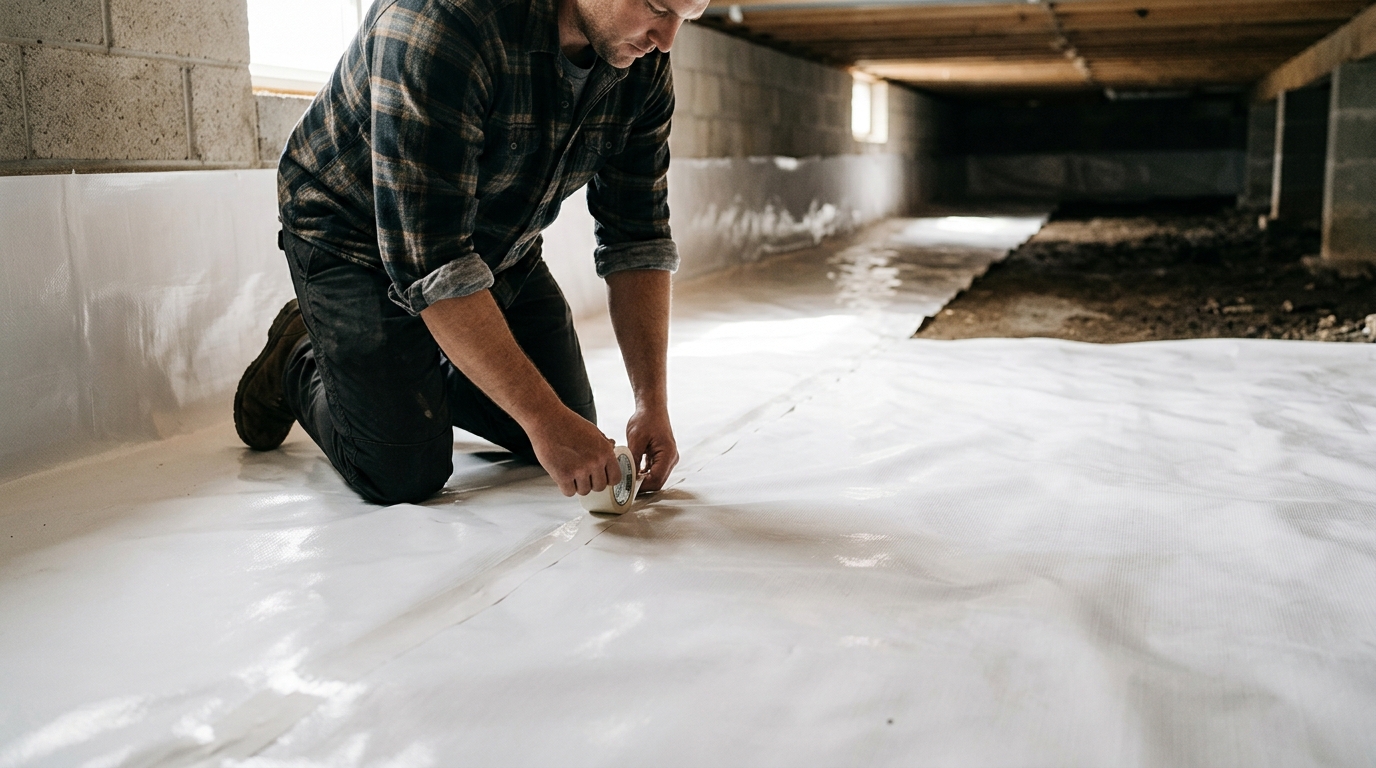
Perm ratings matter because they quantify how effectively a material blocks water vapor movement. A lower perm rating indicates a tighter seal against moisture migration from the soil. Walder Foundation Products supplies materials with specific perm classifications to help contractors achieve consistent moisture control in crawl spaces.
Defining the Perm Rating
A perm rating is a measurement of a material's resistance to water vapor transmission. It is expressed in units called perms, where one perm equals one grain of water vapor per square foot per hour at a one-pound vapor pressure differential. Understanding this metric is the first step in selecting the right liner for a project.
The U.S. Department of Energy classifies vapor retarders based on their permeance. Class I vapor barriers have a vapor permeance of 0.1 perm or less, while Class II vapor barriers have a permeance between 0.1 and 1.0 perm. This distinction is critical for contractors who need to meet specific building code requirements or manufacturer specifications.
The Department of Energy provides the foundational definitions for these classes. By understanding the difference between a Class I and Class II material, professionals can make informed decisions about which product to specify for a given job site.
Moisture Control and Structural Integrity
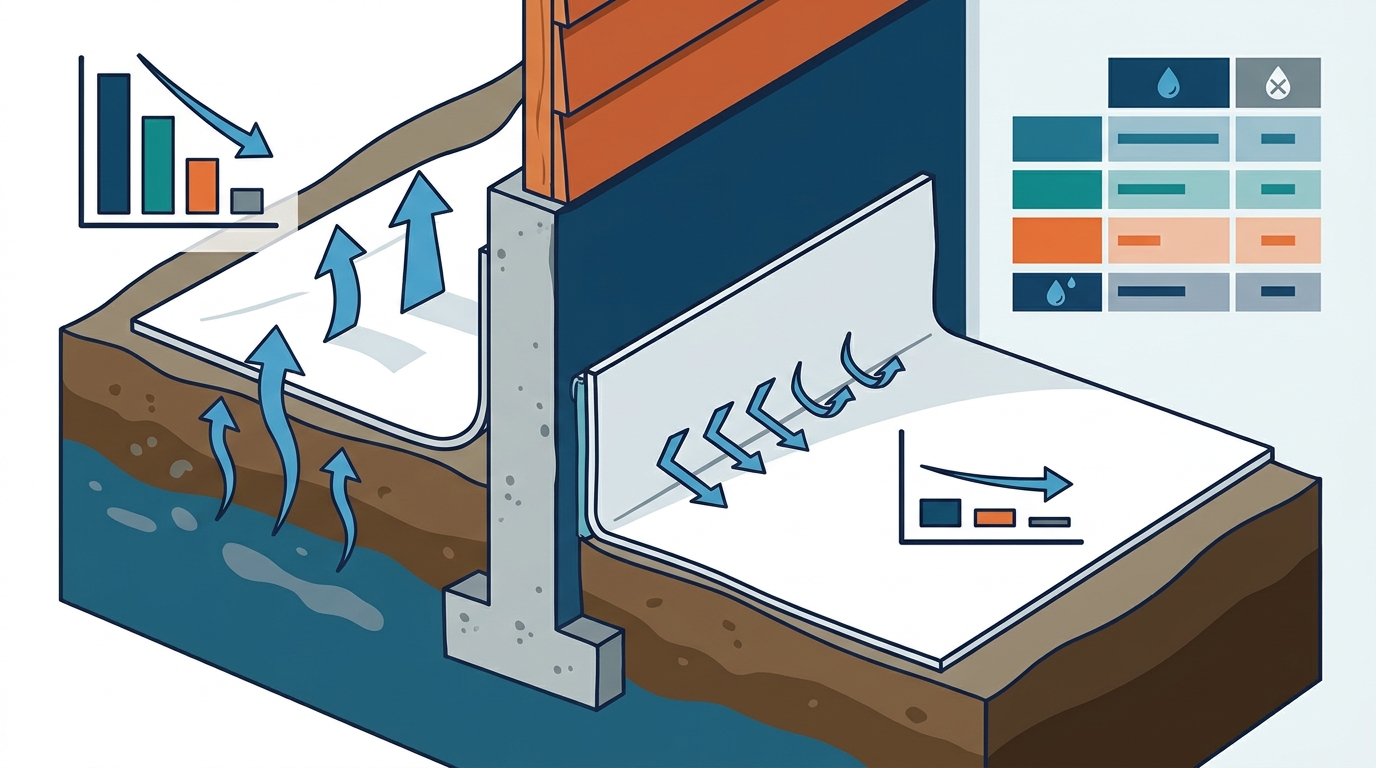
High perm ratings allow more moisture to pass through the material, which can lead to condensation and mold growth. In a crawl space, the soil below the home constantly emits water vapor. If the barrier is too permeable, that vapor enters the conditioned space of the home. according to Building Enclosure Air
Using a material with a low perm rating, such as a 20-mil hybrid liner, creates a more effective shield. This reduces the relative humidity within the crawl space, protecting wooden joists and subflooring from decay. The implication is that the perm rating directly correlates with the long-term durability of the home's structural components.
Contractors should consider the specific humidity levels of the region when selecting a perm rating. In areas with high soil moisture, a lower perm rating is often necessary to maintain a dry environment. This approach helps prevent the costly repairs associated with water damage and structural rot.
Material Types and Permeance
For example, a 12-mil woven vapor barrier may have a different perm rating than a 20-mil hybrid. The woven structure can provide better tear resistance, which is important in crawl spaces with uneven ground. The perm rating must be balanced with the physical properties of the material to ensure a successful installation.
Walder Foundation Products offers a range of ground vapor barriers that cater to different project needs. By selecting the appropriate material type, contractors can ensure that the perm rating meets the project's moisture control goals while also providing the necessary durability for the job.
Installation Impact on Performance
The perm rating of a material is only effective if the installation is airtight. Gaps, seams, and punctures can significantly increase the effective perm rating of the installed system. A material with a low perm rating can fail if it is not properly sealed at the seams and around penetrations.
Professional installation techniques, such as using appropriate tapes and adhesives, are essential to maintaining the integrity of the vapor barrier. The implication is that the perm rating is a property of the material, but the performance is a property of the installed system. Contractors must be trained in proper installation methods to achieve the desired results.
Using the right vapor barrier wall liners and tapes ensures that the seams are as tight as the material itself. This attention to detail is what separates a successful encapsulation project from one that fails to control moisture over time.
Code Compliance and Specifications
Building codes often specify minimum perm ratings for vapor barriers in crawl spaces. Compliance with these codes is not just a legal requirement but also a best practice for ensuring the health and safety of the home. Contractors must be familiar with the local codes to ensure their projects meet the necessary standards.
For instance, some codes may require a Class I vapor barrier for new construction, while others may allow a Class II material for renovations. Understanding these requirements helps contractors avoid costly rework and ensures that their projects are up to code. The implication is that perm ratings are a key factor in code compliance and project approval.
Walder Foundation Products provides resources to help contractors navigate these requirements. By staying informed about code changes and material specifications, professionals can ensure that their projects are both compliant and effective in controlling moisture.
Key Takeaways
- A perm rating measures a material's resistance to water vapor transmission.
- Class I vapor barriers have a permeance of 0.1 perm or less.
- Class II vapor barriers have a permeance between 0.1 and 1.0 perm.
- Lower perm ratings provide better moisture control in crawl spaces.
- Installation quality is critical to maintaining the material's perm rating.
- Building codes often specify minimum perm ratings for vapor barriers.
- Choosing the right perm rating helps protect structural integrity and indoor air quality.
Frequently Asked Questions
What is a perm rating?
A perm rating is a measurement of a material's resistance to water vapor transmission, expressed in units called perms.
What is the difference between Class I and Class II vapor barriers?
Class I vapor barriers have a permeance of 0.1 perm or less, while Class II vapor barriers have a permeance between 0.1 and 1.0 perm.
Why is a low perm rating important in crawl spaces?
A low perm rating helps block moisture from the soil, reducing humidity and preventing mold and structural decay.
Does the perm rating change after installation?
The material's perm rating remains the same, but the system's performance can be affected by gaps or poor sealing during installation.
Are there building codes that specify perm ratings?
Yes, many building codes specify minimum perm ratings for vapor barriers in crawl spaces to ensure moisture control.
How do I choose the right perm rating for my project?
Consider the local humidity levels, building codes, and the specific requirements of the project to select the appropriate perm rating.