
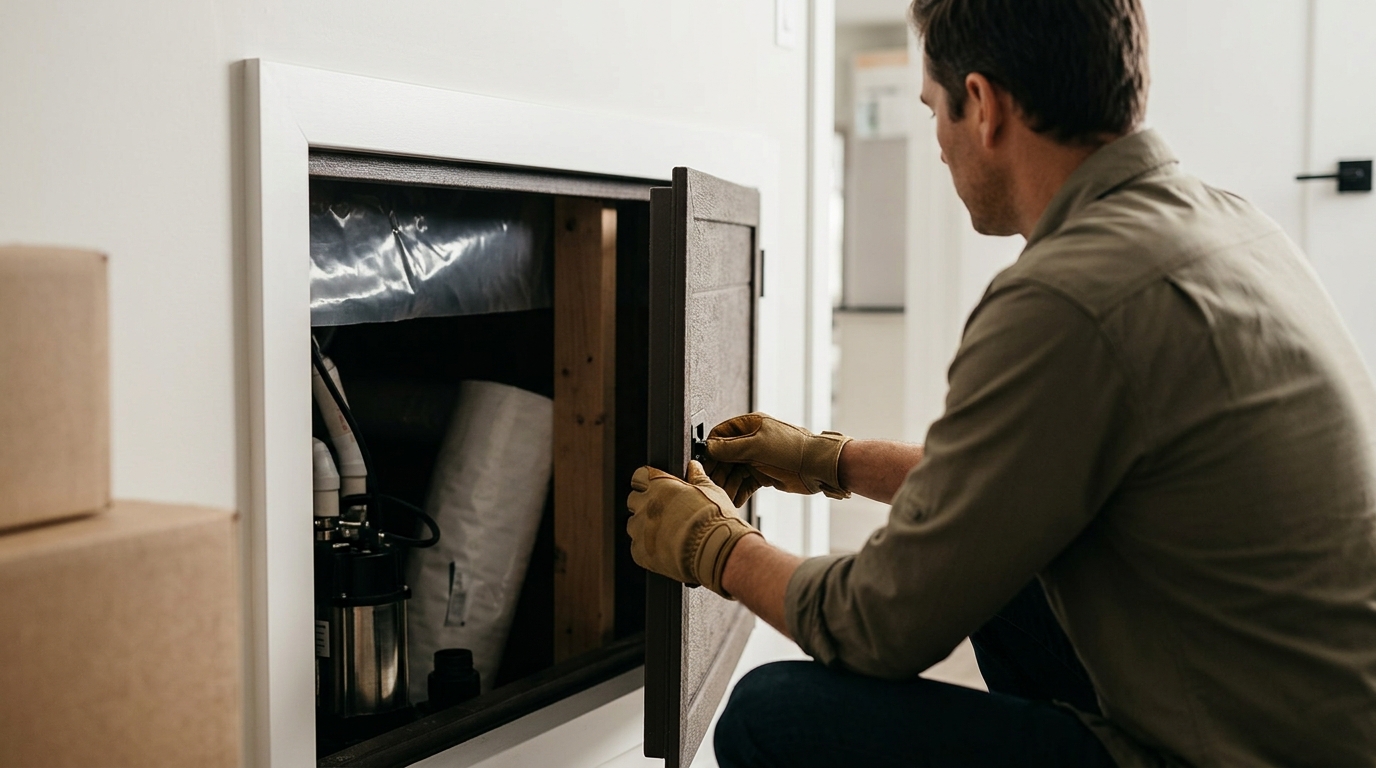
Crawl space encapsulation is no longer a luxury but a structural necessity for homes in humid climates. According to the EPA, moisture control is the single most effective method for preventing mold growth and structural decay in sub-floor environments. Homeowners and contractors often face a critical decision when beginning this project: should they purchase a pre-packaged encapsulation kit or source individual DIY materials? This choice dictates the timeline, budget, and long-term performance of your crawl space. At Walder Foundation Products, we analyze the operational differences between these two approaches to help you make an informed decision. (About Walder Foundation Products)
Understanding Crawl Space Encapsulation
Crawl space encapsulation is the process of sealing the entire sub-floor area, including the ground and walls, with a heavy-duty vapor barrier. This creates a conditioned, dry environment that protects the home's structural integrity. The primary goal is to stop moisture vapor from rising through the soil and entering the living space above. Without encapsulation, homes can suffer from rotting floor joists, compromised insulation, and poor indoor air quality. According to the Department of Energy, proper moisture management significantly improves the efficiency of your home's HVAC system.
The process typically involves laying a thick polyethylene liner on the ground, sealing it to the foundation walls, insulating the walls, and installing a dehumidifier to maintain optimal humidity levels. The materials used must be durable, resistant to tears, and capable of withstanding the harsh conditions of a crawl space environment.
The Case for Encapsulation Kits
Encapsulation kits are curated packages designed to provide all the necessary materials for a standard crawl space project. These kits often include the vapor barrier, tape, fasteners, and sometimes wall insulation or a dehumidifier. They are marketed toward homeowners who want a simplified purchasing experience.
Convenience and Speed
The primary advantage of a kit is convenience. Instead of calculating square footage for multiple separate items, you purchase one package. This reduces the risk of ordering too little material or having significant leftovers. For contractors, kits can streamline the quoting process and ensure that every job has the correct complementary materials, such as matching tape and barrier thickness.
Cost Predictability
Kits offer a fixed price point. This makes budgeting easier for DIYers who may not have experience estimating construction costs. However, the cost per square foot in a kit is often higher than buying materials individually in bulk. You are paying for the curation and the convenience of having everything arrive in one shipment.
The Case for DIY Materials
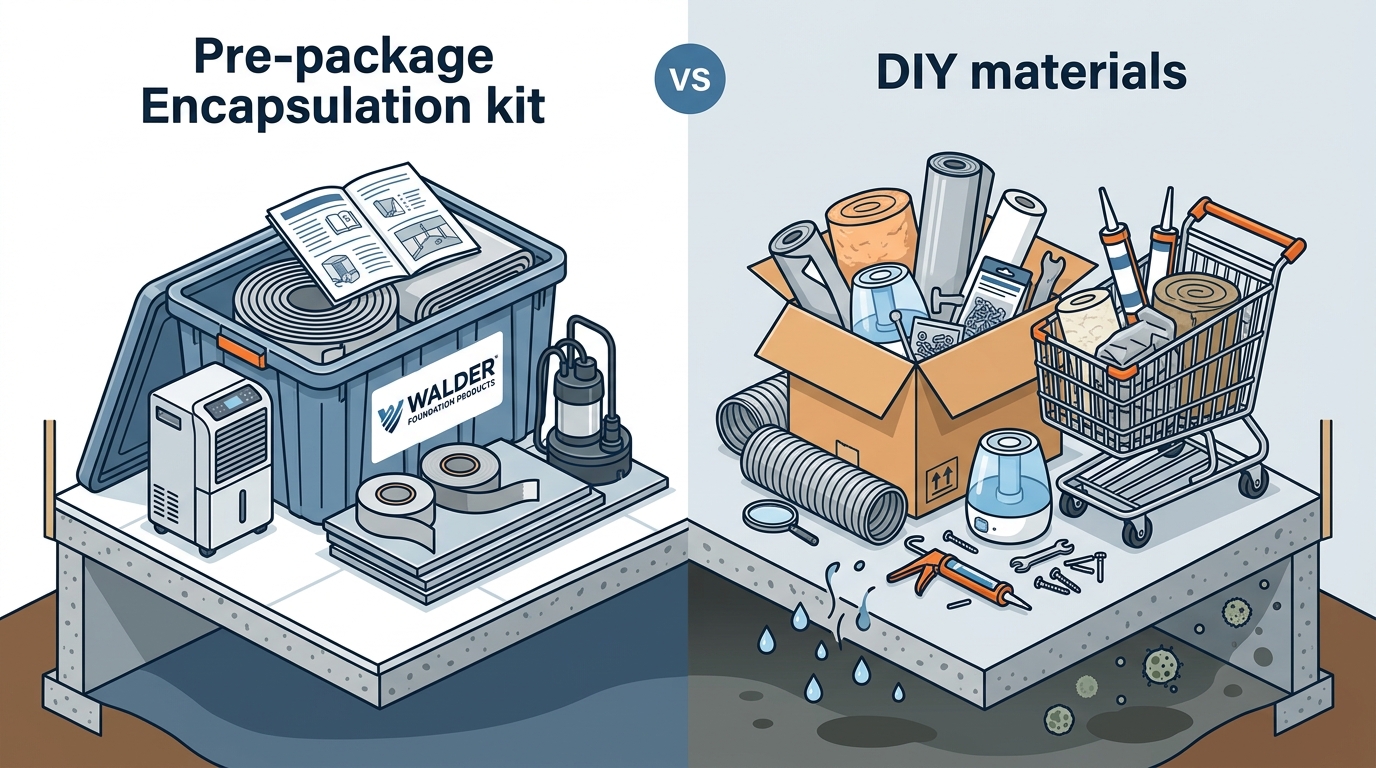
Choosing DIY materials means sourcing each component separately. This approach allows for granular control over the quality and quantity of every item used in the project. At Walder Foundation Products, we specialize in providing high-grade individual components for those who prefer this level of control.
Customization and Quality Control
When you buy DIY materials, you can select the exact thickness of the vapor barrier. For example, you might choose a 20-mil barrier for high-moisture areas or a 10-mil barrier for standard applications. You can also choose specific brands of tape, such as our exclusive WFP Pro Tape, which is engineered for maximum adhesion in humid environments. This customization ensures that the materials meet the specific demands of your crawl space.
Cost Efficiency for Large Projects
For larger crawl spaces or multiple projects, buying materials individually is often more cost-effective. You can buy vapor barrier rolls by the foot or by the roll, allowing you to purchase exactly what you need without the markup associated with pre-packaged kits. Additionally, you can mix and match brands to find the best deals on dehumidifiers, insulation, and fasteners.
Kits vs. DIY: A Detailed Comparison
Choosing between a kit and DIY materials depends on your project size, budget, and technical expertise. The table below summarizes the key differences.
| Feature | Encapsulation Kits | DIY Materials |
|---|---|---|
| Purchasing Complexity | Low. One-time purchase. | High. Multiple items to source. |
| Cost Efficiency | Higher per square foot. | Lower per square foot for large areas. |
| Material Customization | Limited to kit contents. | Full control over brands and thickness. |
| Best For | Small, standard-sized crawl spaces. | Large spaces or custom requirements. |
| Installation Support | Often includes basic guides. | Requires independent research. |
Key Takeaways
- Material Durability: High-quality vapor barriers, such as those from Proseal Liner, are essential for long-term moisture protection.
- Tape Integrity: The seal is only as good as the tape. Use heavy-duty, UV-resistant tape to prevent barrier failure.
- Dehumidification: Encapsulation is incomplete without a dehumidifier. Brands like AprilAire are industry standards for crawl space moisture control.
- Insulation Needs: Wall insulation should be rigid foam board, not fiberglass, to prevent moisture absorption.
- Fastening Systems: Use Christmas tree fasteners or insulation pins to secure barriers to foundation walls and piers.
- Professional Support: Walder Foundation Products offers contractor pricing and technical support for complex projects.
- Regional Climate: Homes in humid regions require thicker barriers and more robust dehumidification systems.
Frequently Asked Questions
What is the best vapor barrier thickness for crawl spaces?
For most residential crawl spaces, a 20-mil vapor barrier is recommended. Thicker barriers offer greater resistance to tears and punctures during installation and over time.
Do I need a dehumidifier if I encapsulate my crawl space?
Yes. Even with a vapor barrier, residual moisture and humidity can accumulate. A dehumidifier is necessary to maintain a dry environment and prevent mold growth.
Can I use regular duct tape for encapsulation?
No. Regular duct tape loses its adhesive properties in humid environments and degrades quickly. You must use a heavy-duty polyethylene tape designed for vapor barriers.
How do I insulate crawl space walls?
Rigid foam board insulation is the standard for crawl space walls. It provides both thermal resistance and moisture protection. Fiberglass batts should be avoided as they absorb moisture.
What is the difference between encapsulation and waterproofing?
Encapsulation focuses on controlling vapor and humidity within the space. Waterproofing involves managing liquid water through drainage systems, sump pumps, and exterior membranes.
How long does crawl space encapsulation last?
With proper installation and maintenance, encapsulation materials can last 20 to 30 years. The dehumidifier and other mechanical components will require more frequent maintenance.
Is contractor pricing available for DIYers?
Contractor pricing is typically reserved for licensed professionals. However, DIYers can often find competitive bulk pricing by purchasing directly from specialized distributors like Walder Foundation Products.
Contact Walder Foundation Products
Whether you choose a kit or DIY materials, the quality of your products determines the success of your project. Walder Foundation Products provides the highest grade vapor barriers, tapes, and structural repair materials for contractors and homeowners. Visit our product catalog to explore our full range of encapsulation supplies. For personalized advice or contractor pricing, contact our sales team today.