
7 Signs of Quality Versus Poor Foundation Repair Training Programs
Foundation repair training is a structured educational program that teaches contractors the technical skills, safety protocols, and product application methods required to stabilize residential and commercial structures. Poor training programs often rely on outdated techniques, lack hands-on practice, and fail to align with current industry standards, leaving contractors unprepared for real-world challenges. At Walder Foundation Products, we recognize that the quality of your training directly impacts the longevity and safety of the projects you deliver to your clients. according to Lincoln Technical Institute
1. Hands-On Practical Application
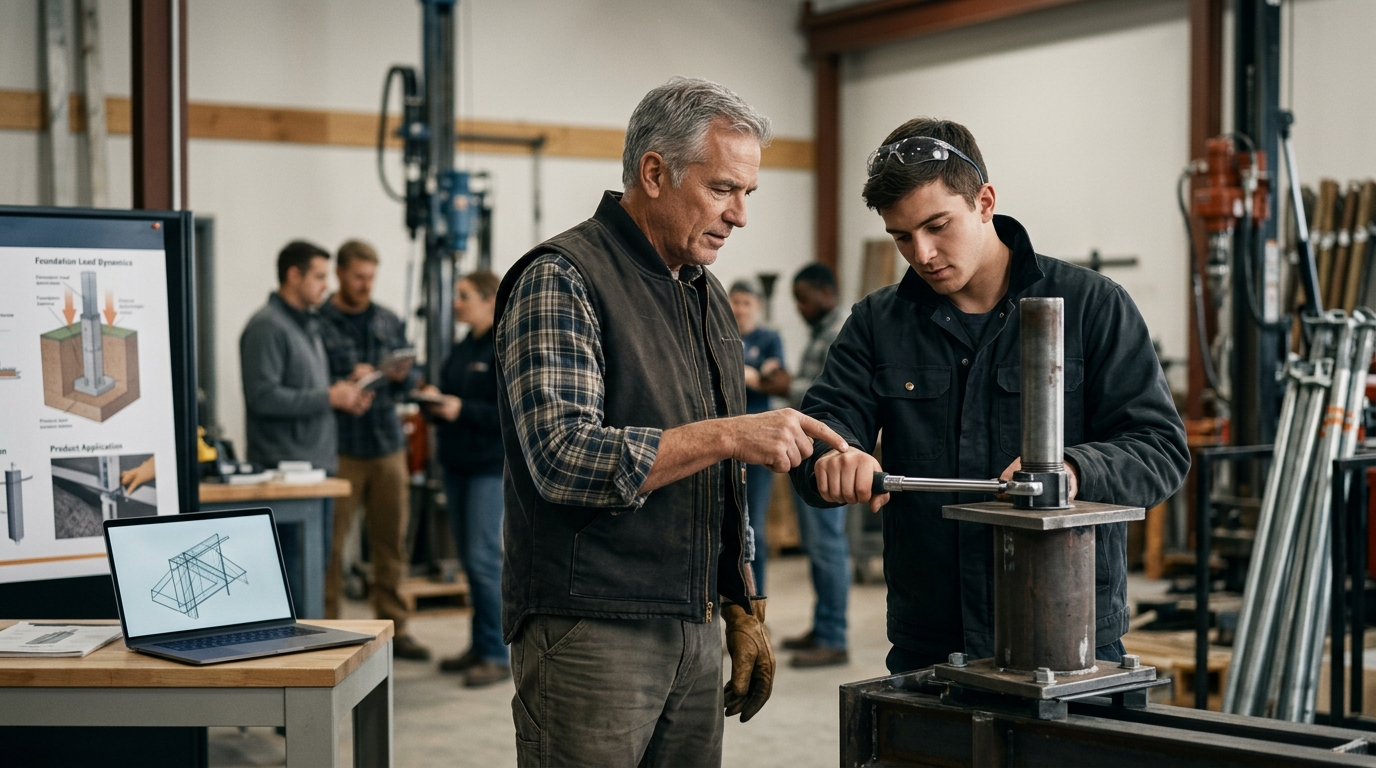
Quality programs prioritize physical practice over theoretical lectures. Effective training includes supervised field exercises where contractors practice installing wall braces, helical piles, and vapor barriers. Poor programs often consist solely of video modules or reading materials without the opportunity to handle the actual tools and materials. This gap in practical experience leads to costly mistakes on job sites where precision is critical.
2. Alignment with Current Industry Standards
Top-tier curricula reflect the latest building codes and engineering best practices. High-quality training updates its content regularly to match evolving safety regulations and material advancements. In contrast, poor programs may teach obsolete methods that no longer meet modern structural requirements. Staying current ensures that your work passes inspections and provides long-term stability for your clients.
3. Comprehensive Product Knowledge
Excellent training teaches the specific properties and applications of modern repair materials. Contractors need to understand how different vapor barrier thicknesses, dehumidifier capacities, and pier systems interact with various soil conditions. Low-quality programs often treat products as generic items without explaining their technical specifications. Deep product knowledge allows you to select the right solution for each unique foundation issue.
4. Safety Protocol Integration
Safe work practices are embedded into every lesson in a quality program. Proper training emphasizes personal protective equipment, safe excavation techniques, and structural load management. Poor programs may treat safety as an afterthought or a separate, disconnected module. Integrating safety into daily training habits reduces the risk of on-site accidents and liability issues.
5. Mentorship and Ongoing Support
6. Real-World Case Studies
7. Certification and Credentialing
Choosing the Right Program
Frequently Asked Questions
How long does a typical foundation repair training program take?
Most comprehensive programs range from a few days to several weeks, depending on the depth of hands-on practice included.
Do I need prior construction experience to enroll?
What is the difference between dry rot and wet rot in foundation training?
Dry rot is caused by the fungus Serpula lacrymans and can spread at 20 to 30 percent moisture, while wet rot, stemming from Coniophora puteana, typically needs more than 50 percent moisture to thrive.
Can I learn foundation repair entirely online?
Online modules can provide theoretical knowledge, but hands-on field experience is essential for mastering practical installation techniques.
How does Walder Foundation Products support contractors?
We provide a comprehensive range of products and resources tailored for contractors and DIY enthusiasts, ensuring quality and durability for every project.