
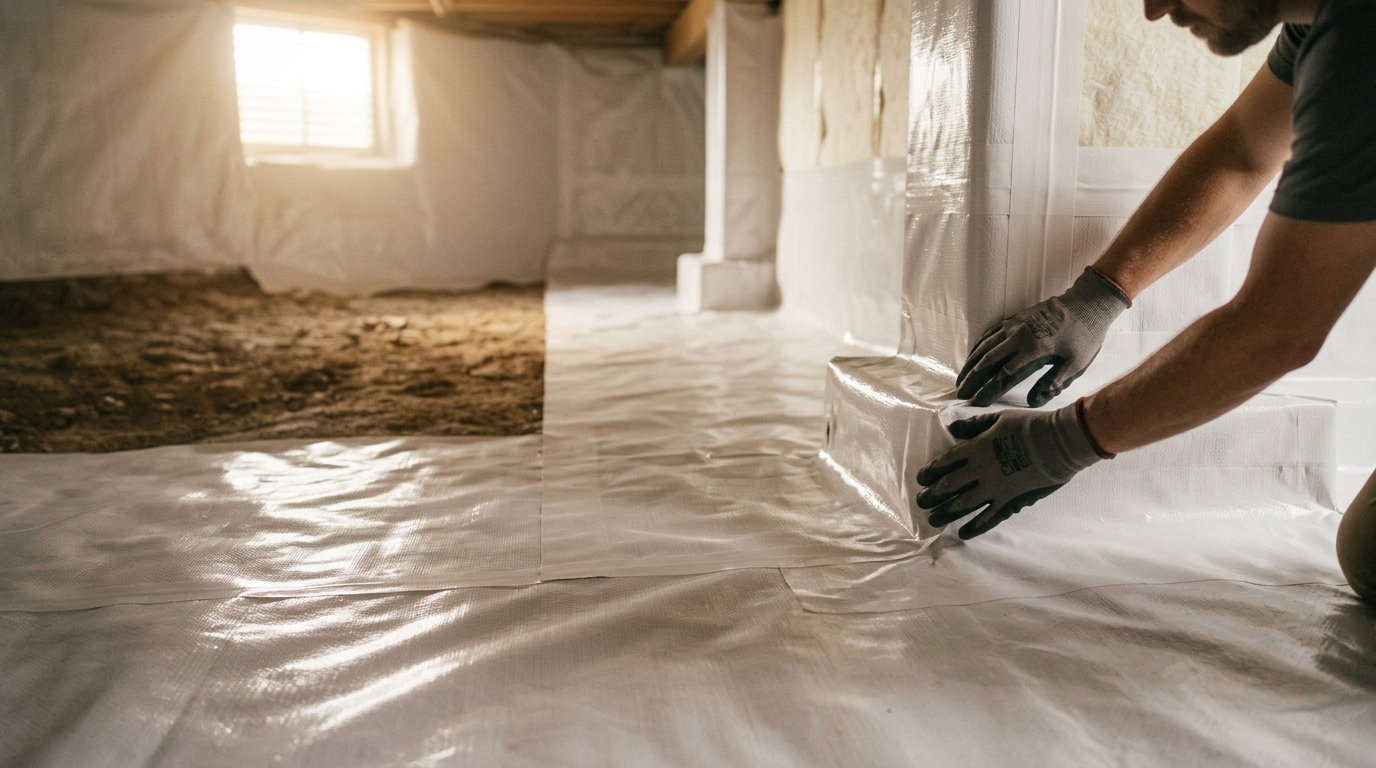
Moisture intrusion is the primary catalyst for structural decay in residential foundations. According to the Environmental Protection Agency, homes with crawl spaces are significantly more likely to experience moisture-related issues than those with slab foundations. This data highlights the critical need for robust vapor control systems. Without a properly installed moisture barrier, ground vapor can raise humidity levels to dangerous thresholds, fostering mold growth and compromising indoor air quality. Selecting the right material is not merely a construction detail; it is a fundamental requirement for long-term home preservation. (About Walder Foundation Products)
Understanding Vapor Barairs
A vapor barrier is a specialized sheet material designed to restrict the movement of water vapor through building assemblies. In the context of a crawl space, the barrier is installed directly over the exposed earth. Its primary function is to prevent soil moisture from evaporating into the enclosed space below the home. This process is known as vapor drive. When vapor drive is unchecked, it leads to condensation on joists, insulation degradation, and the proliferation of mold spores. (Walder Foundation Products)
The effectiveness of a vapor barrier depends on its permeability rating. A true vapor barrier has a permeance of less than one perm. Materials with higher permeance rates act as retarders rather than barriers. For high-humidity regions, a Class I vapor barrier is the industry standard for maximum protection. This classification ensures that minimal moisture can pass through the material, even under high differential pressure conditions.
Material Comparison
Choosing the correct material involves evaluating durability, puncture resistance, and long-term stability. The two dominant materials in the current market are high-density polyethylene (HDPE) and reinforced polyethylene. Each offers distinct advantages depending on the specific soil conditions and installation environment.
High-Density Polyethylene (HDPE)
HDPE is a thermoplastic polymer known for its high strength-to-density ratio. It is widely regarded as the gold standard for ground vapor barriers. HDPE sheets are highly resistant to punctures and tears during installation. They also exhibit excellent chemical resistance, protecting against soil acids and alkalis. This material maintains its structural integrity over decades of exposure to ground moisture.
Reinforced Polyethylene
Reinforced polyethylene incorporates a mesh or scrim layer within the plastic matrix. This reinforcement significantly increases tensile strength and tear resistance. It is particularly useful in crawl spaces with uneven terrain or sharp rocks. The added durability prevents the barrier from shifting or tearing under the weight of fill material or subsequent construction loads. This option provides a balance of flexibility and extreme toughness.
Reflective Insul-Barrier Composites
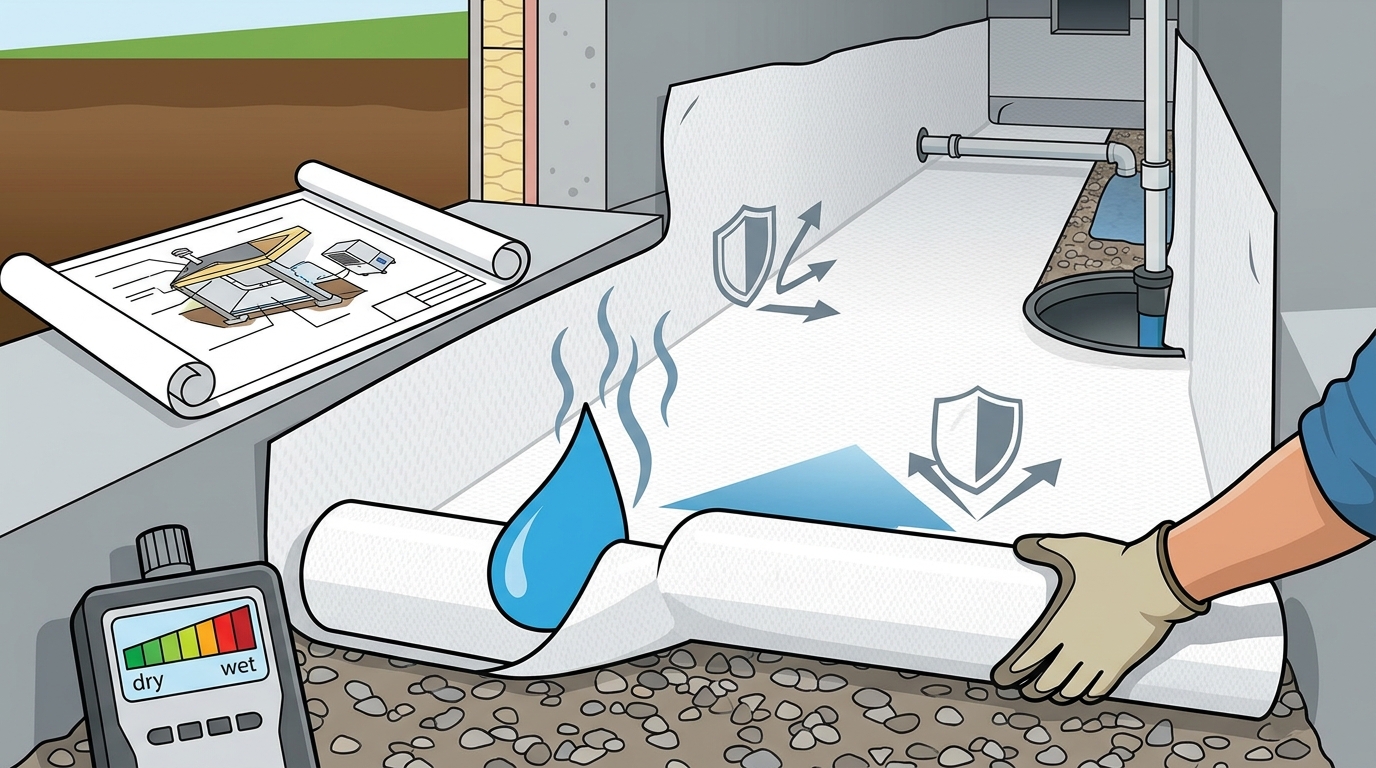
For homeowners seeking dual functionality, composite materials combine vapor barrier properties with thermal insulation. The PowerBarrier Reflective Insul-Barrier Wall Insulation R-12 is a prime example of this technology. It serves as both a vapor barrier and an insulating layer for foundation walls. This product reduces thermal bridging and improves the overall energy efficiency of the home. It is ideal for encapsulated crawl spaces where temperature regulation is a priority.
Thickness Specifications
The thickness of the vapor barrier is a critical determinant of its performance. Thinner materials are more prone to tearing and may degrade faster under UV exposure or mechanical stress. Industry standards generally recommend a minimum thickness of six mils for residential applications. However, thicker options provide superior longevity and puncture resistance.
| Material Type | Recommended Thickness | Primary Use Case | Key Benefit |
|---|---|---|---|
| Standard Polyethylene | 6 mils | Basic moisture control | Cost-effective |
| Reinforced Polyethylene | 10 to 20 mils | High-traffic or rough terrain | Extreme tear resistance |
| Reflective Insul-Barrier | Variable | Wall encapsulation | Thermal insulation + vapor control |
| Heavy-Duty HDPE | 20+ mils | Commercial or severe environments | Maximum durability |
Thicker barriers also offer better resistance to UV degradation if the crawl space is partially exposed to sunlight. When selecting a thickness, consider the potential for foot traffic during maintenance. A heavier gauge material will withstand accidental impacts from tools or equipment without compromising the seal.
Installation Protocols
Proper installation is as important as material selection. Even the highest-quality barrier will fail if seams are not sealed correctly or if the material is not secured to the foundation walls. The installation process begins with preparing the ground surface. Remove all sharp objects, roots, and debris that could puncture the sheet.
Seaming and Taping
Seams must be overlapped by a minimum of six inches and sealed with a specialized seam tape. The YCS Seam Weld Tape is designed for this purpose, providing a permanent bond that matches the strength of the barrier itself. Mechanical fasteners should not be used alone, as they can create leak paths. The tape creates a monolithic surface that prevents vapor migration through the joints.
Wall Attachment
The barrier must be secured to the foundation walls using a compatible adhesive or mechanical fastener system. This prevents the material from sagging or detaching over time. Ensure that the barrier extends up the wall to a consistent height, typically at least 12 inches above the ground. This creates a continuous envelope that directs moisture toward the drainage system.
Integration with Drainage
For comprehensive moisture control, the vapor barrier should work in tandem with a drainage system. PVC Sch 40 Belled End Pipe is often used for perimeter drainage. This pipe allows water to flow away from the foundation while preventing soil intrusion. The belled end facilitates easier connection to other pipe segments, ensuring a secure and leak-free drainage network.
Key Takeaways
- Material Choice: High-density polyethylene and reinforced polyethylene are the most durable options for ground vapor barriers.
- Thickness Matters: A minimum of six mils is recommended, with thicker gauges offering superior puncture resistance.
- Seam Integrity: Use specialized seam tape like YCS Seam Weld Tape to create a continuous vapor seal.
- Dual Functionality: Composite materials like PowerBarrier offer both insulation and vapor barrier benefits for wall encapsulation.
- Drainage Integration: Combine vapor barriers with PVC drainage pipes to manage liquid water effectively.
- Professional Installation: Proper attachment to foundation walls is critical to prevent sagging and detachment.
- Long-Term Value: Investing in high-quality materials reduces the risk of mold remediation and structural repairs.
Frequently Asked Questions
What is the difference between a vapor barrier and a moisture retarder?
A vapor barrier has a permeance of less than one perm, effectively stopping water vapor. A moisture retarder has a higher permeance rate and only slows down vapor transmission. For crawl spaces, a true vapor barrier is required for effective protection.
How thick should a crawl space vapor barrier be?
The industry standard is at least six mils thick. However, ten to twenty mils is recommended for areas with rough terrain or high foot traffic to prevent tears and punctures.
Can I use plastic sheeting from a hardware store?
Standard plastic sheeting is often too thin and lacks the necessary durability. It may tear easily during installation and degrade quickly. Use materials specifically designed for crawl space encapsulation.
Do I need to seal the seams of the vapor barrier?
Yes, sealing seams is critical. Unsealed seams allow vapor to pass through, defeating the purpose of the barrier. Use a specialized seam tape designed for the specific material type.
How do I attach the vapor barrier to the foundation walls?
Use a compatible adhesive or mechanical fasteners to secure the barrier to the foundation wall. Ensure the attachment is tight and continuous to prevent sagging or detachment.
What is the best material for wall encapsulation?
Reflective insul-barriers like PowerBarrier are excellent for walls as they provide both vapor control and thermal insulation. They help regulate temperature and reduce energy loss.
How does a vapor barrier help with mold prevention?
By blocking ground moisture from entering the crawl space, the barrier reduces humidity levels. This prevents the condensation that mold needs to grow, thereby protecting the home's structure and air quality.
Secure Your Home's Foundation Today
Protecting your home from moisture damage requires the right materials and expert installation. Walder Foundation Products offers a comprehensive range of high-quality vapor barriers, insulation, and drainage solutions. Visit our product catalog to explore our selection of ground vapor barriers and wall liners. For personalized advice, contact our team or request contractor pricing to get started on your crawl space encapsulation project.