
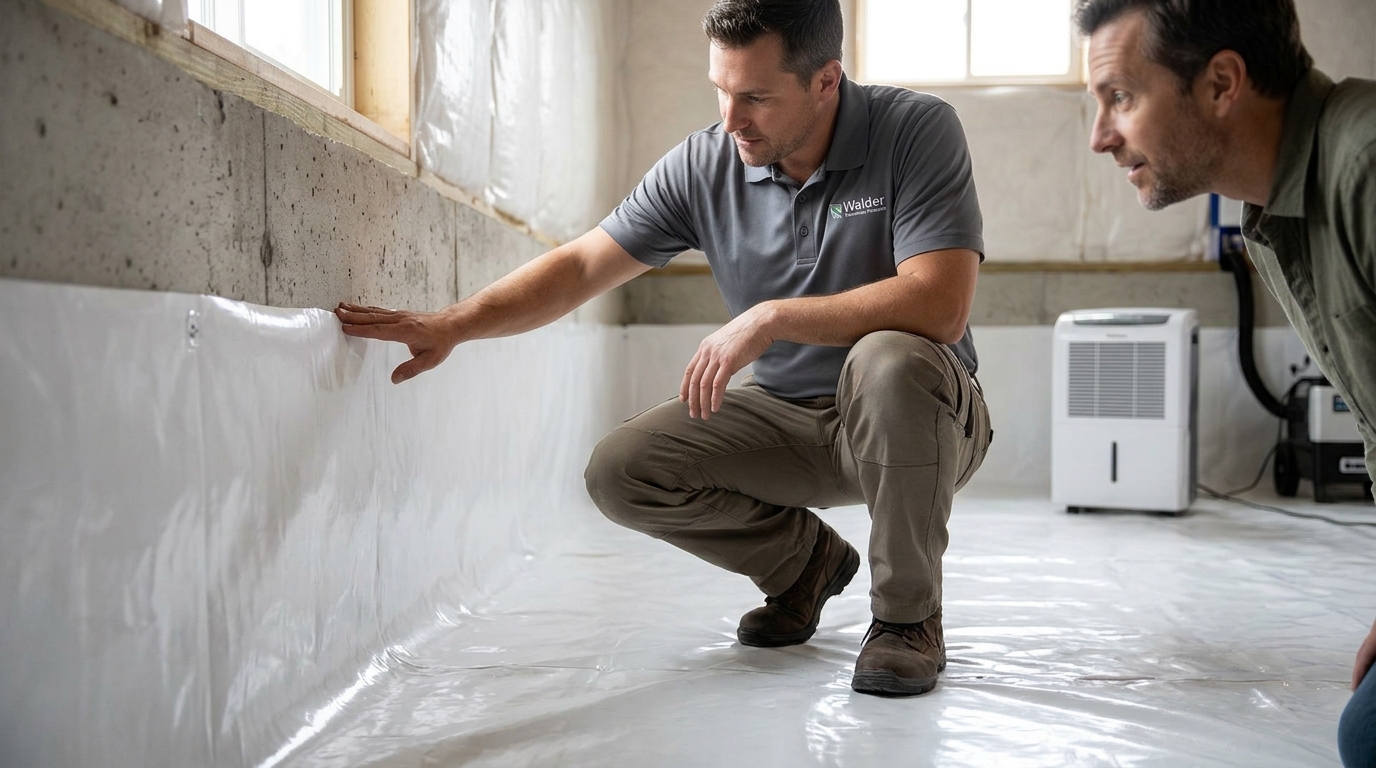
A properly installed vapor barrier typically lasts between 10 and 20 years, though high-quality materials can endure for decades. The specific lifespan depends heavily on the material type, installation quality, and environmental stressors like UV exposure or physical punctures. At Walder Foundation Products, we emphasize that a barrier is only as good as its installation, meaning that professional-grade materials and correct fastening techniques are critical for maximizing longevity.
Material Composition and Durability
Woven liners, such as those made from polyester or polypropylene, offer a different durability profile. These materials are often more resistant to UV degradation and chemical exposure than standard poly. However, they can be more expensive and may require specific adhesives for proper sealing. When selecting a material, contractors must weigh the initial cost against the long-term performance. A cheaper barrier that fails in five years is more costly in the long run than a premium barrier that lasts twenty.
The Critical Role of Installation Quality
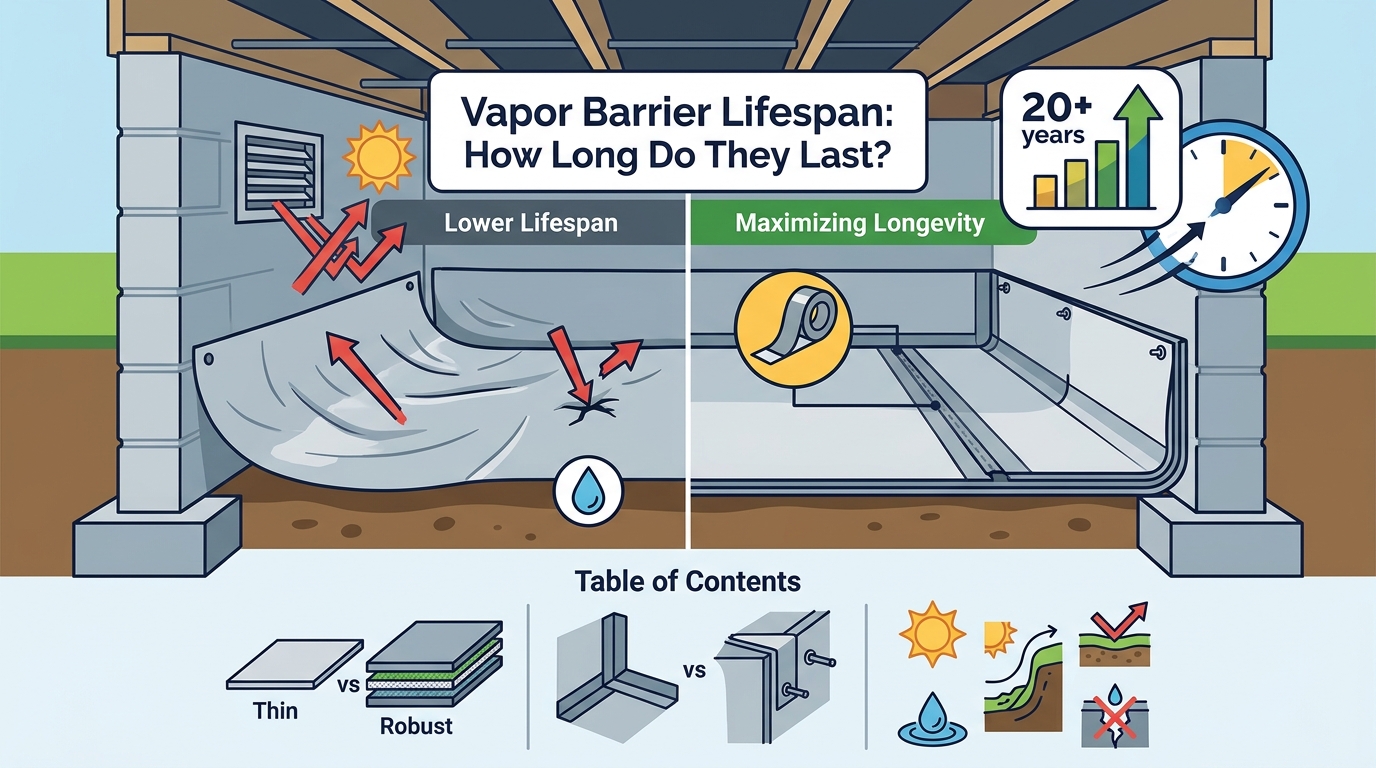
Even the highest quality material will fail prematurely if installed incorrectly. The seams and edges of a vapor barrier are the most vulnerable points. If seams are not properly taped or welded, moisture can bypass the barrier entirely, rendering the installation useless. Furthermore, improper fastening can lead to sagging, which causes the material to pool in low areas. This pooling creates standing water, which accelerates degradation and promotes mold growth. Professional installation involves using the right fasteners, such as Christmas tree fasteners, to secure the barrier without puncturing it excessively.
Another critical factor is the preparation of the crawl space floor. If the ground is not graded properly or if sharp objects are not removed, the barrier is at risk of puncture. Contractors should always inspect the subfloor and ground for hazards before laying the barrier. Additionally, the use of a crawl space door that is properly sealed and maintained is essential. A poorly fitted door can allow moisture and pests to enter, undermining the integrity of the barrier. The goal is to create a continuous, airtight seal that protects the entire space.
Environmental Stressors and Degradation
Once installed, a vapor barrier is subject to various environmental stressors that can shorten its lifespan. UV radiation is a primary enemy of polyethylene. If the barrier is exposed to sunlight, either through a crawl space door or a vent, it will degrade rapidly. This is why it is crucial to seal all vents and ensure that the barrier is not exposed to direct light. Moisture itself is also a stressor. While the barrier is designed to block moisture, any water that does get in can cause the material to swell, weaken, or promote microbial growth. This is particularly true in areas with high humidity or poor drainage.
Pest activity is another significant factor. Termites, ants, and other insects can chew through polyethylene barriers, creating holes that allow moisture to pass through. To mitigate this risk, contractors should consider using pest-resistant materials or applying pest control treatments before installation. Regular inspections can help identify early signs of pest damage. By addressing these environmental stressors, contractors can extend the life of the barrier and ensure it continues to perform as intended.
Identifying Signs of Failure
Knowing when a vapor barrier needs replacement is crucial for maintaining a healthy home. One of the most obvious signs is visible tearing or puncturing. If you see holes or tears in the barrier, it is no longer providing an effective seal. Another sign is sagging or pooling. If the barrier is no longer taut and is pooling in low areas, it is likely losing its structural integrity. This can lead to standing water and accelerated degradation. Additionally, the presence of mold or mildew in the crawl space is a strong indicator that the barrier is failing. Mold thrives in moist environments, so if you see it, it means moisture is getting through the barrier.
Musty odors are another common sign of failure. If you notice a musty smell coming from the crawl space, it is likely due to mold or mildew growth. This is a clear indication that the barrier is no longer effective. By regularly inspecting the crawl space for these signs, homeowners and contractors can identify when a replacement is needed. Early detection can prevent more serious damage to the home's structure and indoor air quality.
Replacement Timeline and Best Practices
While a well-installed barrier can last for decades, most contractors recommend a proactive replacement schedule. For standard 6-mil poly, a replacement every 10 to 15 years is a reasonable benchmark. For higher-quality 20-mil or woven liners, a lifespan of 20 years or more is achievable. However, these timelines are not absolute. They depend on the specific conditions of the crawl space. Regular maintenance, such as cleaning the barrier and checking for damage, can extend its life. When it is time for replacement, it is important to remove the old barrier completely. Leaving old material in place can trap moisture and create a breeding ground for mold. The new barrier should be installed over a clean, dry surface to ensure optimal performance.
At Walder Foundation Products, we provide the materials and resources contractors need to ensure long-lasting installations. Our product line includes a wide range of vapor barriers, from standard poly to high-performance woven liners. We also offer vapor barriers and wall liners that are designed to work together to create a complete seal. By choosing the right materials and following best practices, contractors can deliver solutions that last for years to come.
Key Takeaways
- Standard 6-mil polyethylene barriers typically last 10 to 15 years.
- High-quality 20-mil string-reinforced or woven liners can last 20 years or more.
- Installation quality is the most critical factor in determining lifespan.
- UV exposure, pest damage, and improper fastening are the primary causes of premature failure.
- Visible tears, sagging, and musty odors are clear signs that a barrier needs replacement.
- Regular inspections and maintenance can significantly extend the life of a vapor barrier.
- Proper removal of old barriers is essential before installing new ones.
Frequently Asked Questions
What is the average lifespan of a crawl space vapor barrier?
The average lifespan of a crawl space vapor barrier is between 10 and 20 years, depending on the material type and installation quality. High-quality materials like 20-mil string-reinforced polyethylene or woven liners tend to last longer than standard 6-mil poly.
How do I know if my vapor barrier is failing?
Signs of failure include visible tears or punctures, sagging or pooling of the material, the presence of mold or mildew, and musty odors. If you notice any of these signs, it is time to inspect the barrier and consider replacement.
Can I repair a damaged vapor barrier instead of replacing it?
Small tears or punctures can often be repaired with a high-quality vapor barrier tape. However, if the barrier is extensively damaged, sagging, or showing signs of widespread degradation, replacement is the best option.
Does UV light affect vapor barrier lifespan?
Yes, UV light is a major factor in the degradation of polyethylene barriers. If the barrier is exposed to sunlight, it will degrade much faster. It is important to seal all vents and ensure the barrier is not exposed to direct light.
What is the best material for a long-lasting vapor barrier?
20-mil string-reinforced polyethylene and woven liners are among the best materials for long-lasting performance. They offer superior puncture resistance and durability compared to standard 6-mil poly.
How often should I inspect my vapor barrier?
It is recommended to inspect your vapor barrier at least once a year. Regular inspections allow you to catch small issues before they become major problems, extending the life of the barrier.
Conclusion
The lifespan of a vapor barrier is determined by a combination of material quality, installation expertise, and environmental factors. By choosing the right materials and following best practices, contractors can ensure that their installations last for decades. At Walder Foundation Products, we are committed to providing the high-quality materials and resources that professionals need to deliver long-lasting solutions. Whether you are working on a new installation or a replacement, our team is here to help you succeed. Learn more: Contact Us.