
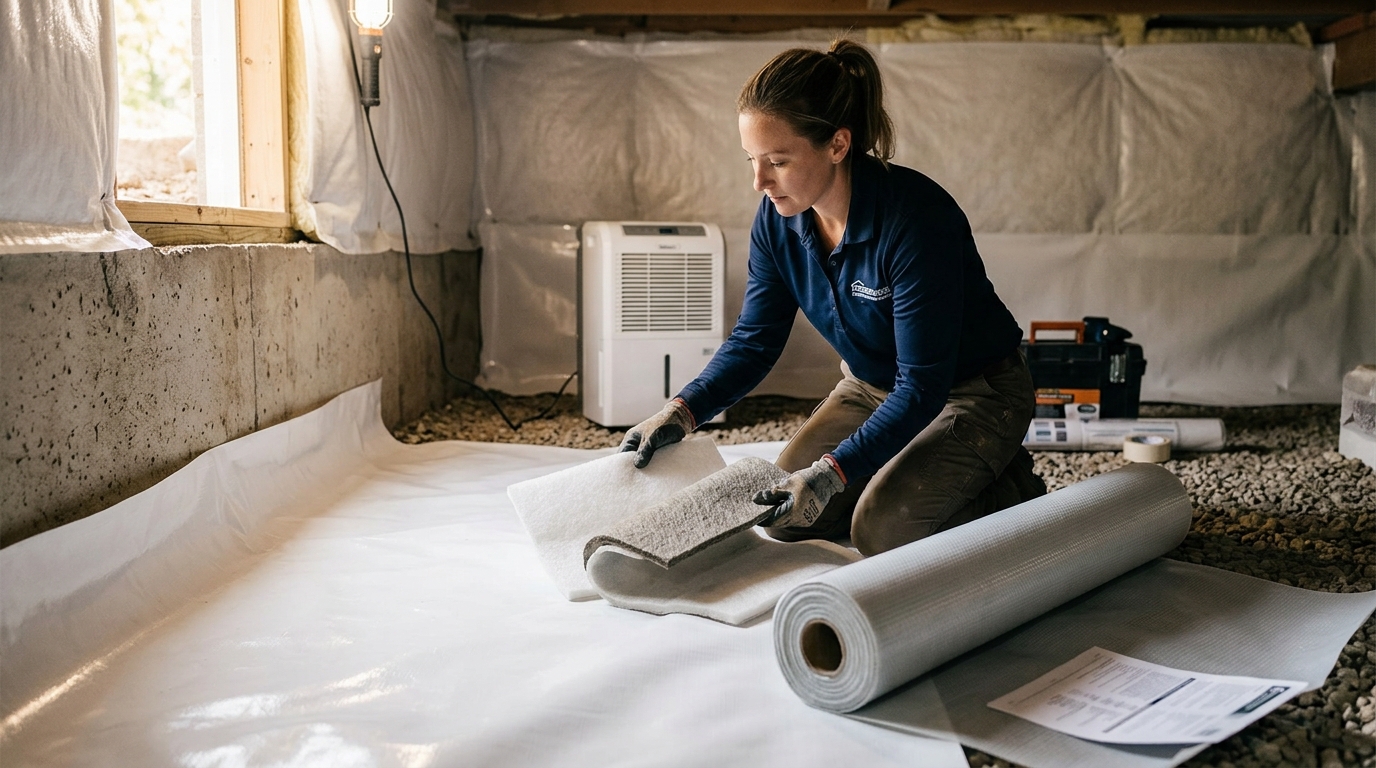
Crawl space moisture is a silent destroyer of residential structures, with industry data indicating that over 50% of homes in the United States have a crawl space that suffers from excessive humidity. This pervasive issue leads to mold growth, wood rot, and compromised indoor air quality. The primary defense against these structural threats is the installation of a high-quality vapor barrier. However, not all barriers are created equal. Understanding the differences between ground vapor barriers, wall vapor barriers, and specialized encapsulation kits is critical for homeowners and contractors seeking long-term protection. This guide breaks down the specific durability and effectiveness metrics of each type to help you make an informed decision.
Types of Vapor Barriers
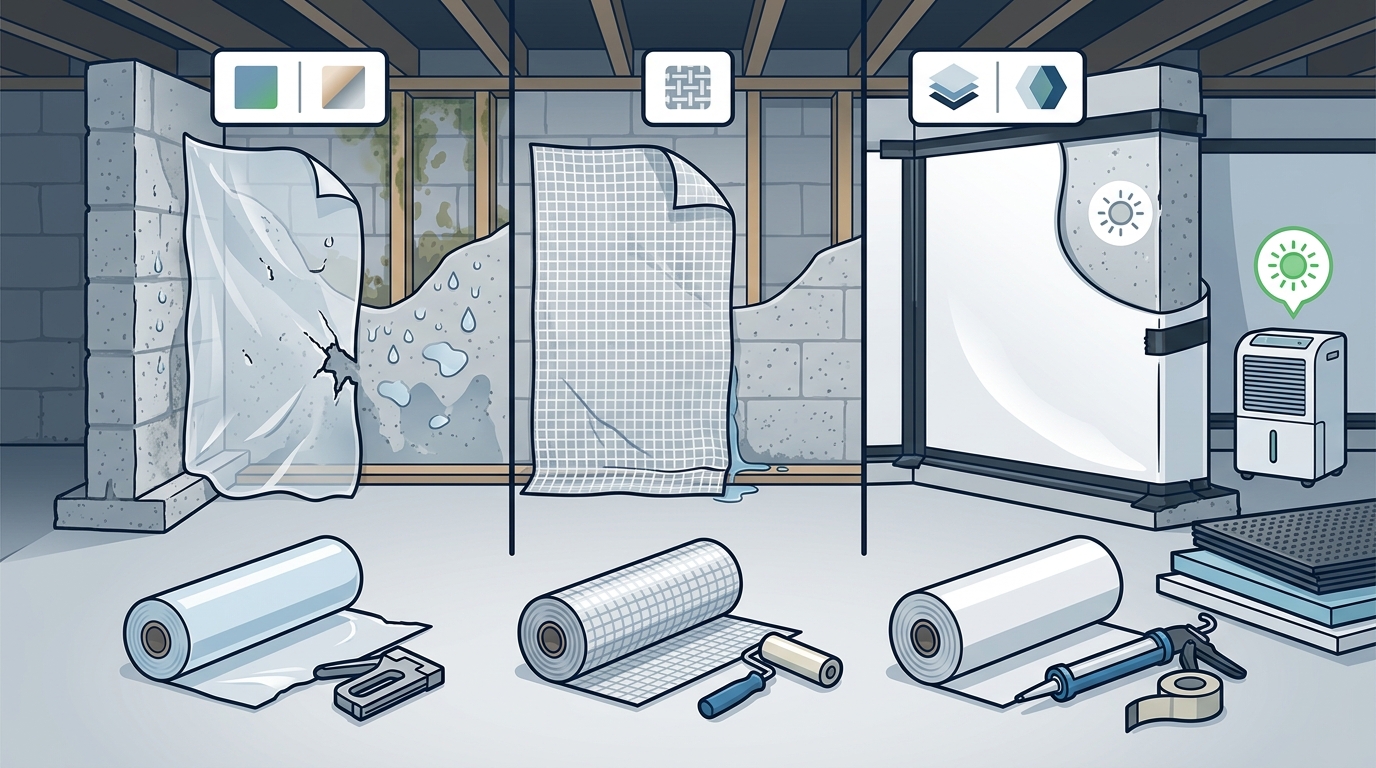
When evaluating crawl space encapsulation, the first step is identifying the correct barrier type for your specific structural needs. The market generally categorizes these materials into ground barriers, wall liners, and integrated systems.
Ground Vapor Barriers
A ground vapor barrier is a heavy-duty polyethylene sheet installed directly over the exposed soil of a crawl space floor. Its primary function is to block moisture vapor from rising from the earth into the living space above. These barriers are typically measured in mil thickness, with 6 mil being the standard minimum for new construction and 10 to 20 mil recommended for encapsulation projects requiring higher durability. At Walder Foundation Products, we stock a range of ground barriers designed to withstand foot traffic and resist tearing during installation.
Wall Vapor Barriers
Wall vapor barriers are applied to the foundation walls of the crawl space. Unlike ground barriers, these often serve a dual purpose of insulation and moisture control. Materials such as foam board or reflective insul-barriers are common here. A wall vapor barrier is a specialized insulation layer that prevents moisture intrusion and thermal loss through foundation walls. These barriers are crucial in climates where humidity levels are high, as they prevent condensation from forming on cold concrete surfaces.
Crawl Space Kits
For homeowners seeking a comprehensive solution, crawl space encapsulation kits offer a pre-packaged approach. These kits typically include the ground vapor barrier, wall liner, seam tape, and dehumidifier accessories. This integrated approach ensures that all components are compatible, reducing the risk of installation errors that could compromise the system's effectiveness.
Durability Metrics
Durability is the most critical factor when selecting a vapor barrier. A barrier that tears or degrades quickly will fail to protect your home, leading to costly repairs. We evaluate durability based on tensile strength, puncture resistance, and UV stability.
Thickness and Mil Rating
The thickness of a vapor barrier is measured in mils (one-thousandth of an inch). A 6 mil barrier is sufficient for temporary use or light-duty applications, but it is prone to tearing during installation. In contrast, a 10 to 20 mil barrier offers significantly higher puncture resistance. According to building science principles, thicker barriers are less likely to develop micro-tears that allow moisture vapor to pass through. For long-term durability, we recommend using a barrier with a minimum of 10 mil thickness for the floor and 6 mil for walls.
Puncture and Tear Resistance
Crawl spaces are often rough environments filled with rocks, debris, and sharp edges. A high-quality vapor barrier must have excellent tear resistance to withstand these conditions. Products like the WFP Pro Tape are designed to secure these barriers without relying on mechanical fasteners that could create weak points. The integrity of the seam is just as important as the material itself. If the seams are not properly sealed, moisture will bypass the barrier entirely.
UV Stability
While most vapor barriers are installed in dark, enclosed spaces, they may be exposed to sunlight during the installation process or if the crawl space access is left open. UV-stable barriers resist degradation from sunlight, ensuring that the material does not become brittle and crack over time. This is particularly important for barriers that may be stored on-site before installation.
Effectiveness Analysis
Effectiveness refers to the barrier's ability to prevent moisture vapor transmission (MVT) and maintain a dry environment. This is measured by the perm rating, which indicates how much water vapor can pass through the material.
Permeability and Vapor Transmission
A vapor transmission rate is a measurement of how much moisture vapor passes through a material over time. Lower perm ratings indicate better performance. Class I vapor barriers, which have a perm rating of less than 0.1, are the most effective at blocking moisture. Most high-quality polyethylene barriers used in crawl space encapsulation are Class I barriers. It is essential to choose a barrier that meets this standard to ensure maximum effectiveness.
Seam Integrity
Even the most durable barrier will fail if the seams are not properly sealed. The effectiveness of the entire system depends on the quality of the tape and adhesive used. YCS Seam Weld Tape is an industry-leading solution that provides a permanent, waterproof seal. This tape is designed to bond strongly to polyethylene surfaces, preventing moisture from seeping through the joints. Without high-quality seam tape, the barrier's effectiveness is significantly compromised.
Integration with Dehumidification
A vapor barrier is most effective when used in conjunction with a dehumidifier. The barrier blocks moisture from the ground, while the dehumidifier removes moisture from the air. This dual approach creates a truly dry crawl space. Products like the Aprilaire 4856 Low Profile Condensate Pump Kit ensure that the dehumidifier can operate efficiently by managing condensate removal. This integration is key to maintaining long-term effectiveness.
Product Comparison
To help you choose the right product, we have compiled a comparison of common vapor barrier options available at Walder Foundation Products.
| Product Type | Thickness | Durability Rating | Best Use Case | Link |
|---|---|---|---|---|
| Standard Ground Barrier | 6 Mil | Medium | New Construction | View Products |
| Heavy-Duty Ground Barrier | 10-20 Mil | High | Encapsulation Projects | View Products |
| Reflective Insul-Barrier | Varies | High | Wall Insulation | View Products |
| Seam Weld Tape | N/A | Permanent | Sealing Joints | View Products |
Key Takeaways
- Thickness Matters: Use 10 to 20 mil barriers for encapsulation to ensure puncture resistance.
- Seam Quality is Critical: Use high-quality tape like YCS Seam Weld to prevent vapor leakage.
- Class I Rating: Choose barriers with a perm rating below 0.1 for maximum moisture blocking.
- Integrated Systems: Combine vapor barriers with dehumidifiers for complete moisture control.
- Wall vs. Ground: Use specialized wall liners for foundation walls and heavy-duty sheets for floors.
- Professional Installation: Proper installation techniques are as important as the material itself.
- Long-Term Value: High-quality barriers reduce maintenance costs and protect home structure.
Frequently Asked Questions
What is the difference between a 6 mil and 10 mil vapor barrier?
A 6 mil barrier is thinner and more prone to tearing, making it suitable for new construction where it will be covered quickly. A 10 mil barrier is thicker and more durable, ideal for encapsulation projects where it may be exposed to foot traffic and debris.
Do I need a vapor barrier on the walls as well as the floor?
Yes, installing vapor barriers on both the floor and walls is recommended for complete encapsulation. Wall barriers prevent moisture from entering through the foundation, while floor barriers block ground moisture.
How do I seal the seams of a vapor barrier?
Seams should be sealed using a high-quality, polyethylene-specific tape such as YCS Seam Weld Tape. This tape creates a permanent, waterproof bond that prevents moisture vapor from passing through the joints.
Can I install a vapor barrier myself?
Yes, many homeowners successfully install vapor barriers as a DIY project. However, it requires careful attention to detail, especially regarding seam sealing and securing the barrier to the foundation walls.
What is the best vapor barrier for a humid climate?
In humid climates, a combination of a heavy-duty ground barrier (10-20 mil), wall liners, and a dehumidifier is the most effective solution. This system addresses both ground moisture and airborne humidity.
How long does a vapor barrier last?
A high-quality vapor barrier, when properly installed and maintained, can last for decades. The durability depends on the material thickness and the quality of the seams.
Do vapor barriers prevent mold growth?
Vapor barriers significantly reduce the conditions that lead to mold growth by blocking moisture. However, they work best when combined with proper ventilation and dehumidification to control airborne humidity.
Get Started with Walder Foundation Products
Protect your home from moisture damage by choosing the right vapor barrier for your needs. At Walder Foundation Products, we offer a comprehensive range of high-quality barriers, tapes, and accessories to ensure your crawl space stays dry and healthy. Visit our product catalog to explore our selection or contact our team for expert advice on your next project.