
Best Moisture Barrier Materials for Crawl Spaces: A Complete 2024 Guide
Moisture intrusion in crawl spaces is a silent destroyer of structural integrity. According to the Environmental Protection Agency, approximately 50 percent of the air in homes with crawl spaces comes from the crawl space itself, carrying mold spores, bacteria, and termites into living areas. This statistic highlights why selecting the correct moisture barrier is not merely a construction detail but a critical health and safety requirement. The right material stops ground vapor, prevents mold growth, and protects your home's foundation from rot. This guide details the most effective materials, installation standards, and product specifications to ensure your crawl space remains dry and durable.
Understanding Vapor Barrier Materials
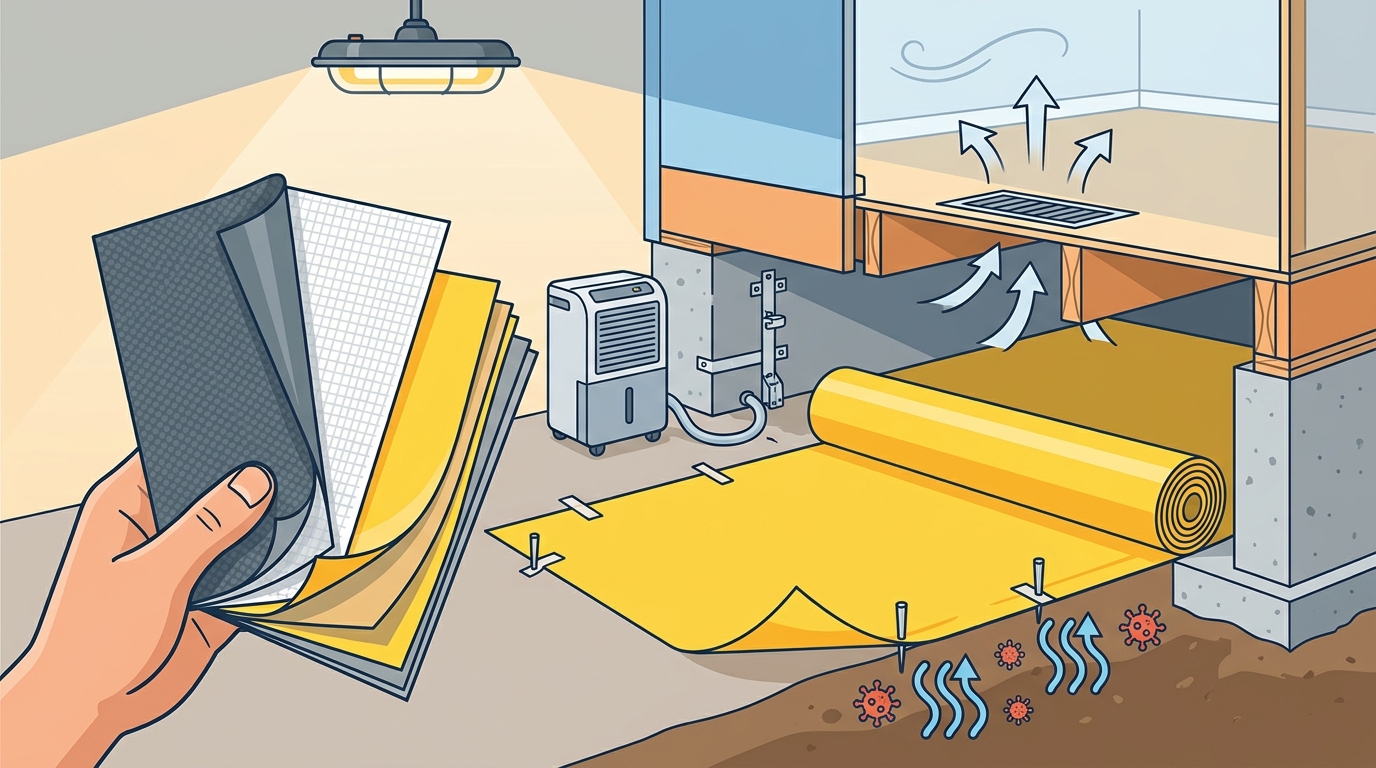
Not all plastic sheeting is created equal. The primary function of a crawl space vapor barrier is to act as an impermeable layer between the soil and the home's interior. The most common materials used are high-density polyethylene (HDPE) and cross-laminated polyethylene. HDPE is the industry standard for durability. It offers superior resistance to punctures and tears during installation. Cross-laminated materials add strength by weaving the plastic fibers in multiple directions, making them less likely to rip when walked upon.
Another critical component is the reflective insulation barrier. PowerBarrier Reflective Insul-Barrier combines a vapor barrier with radiant heat reflection. This dual-function material is ideal for homes in varying climates. It reduces heat loss through the floor while simultaneously blocking moisture. The reflective surface helps maintain a consistent temperature, which reduces condensation on pipes and ductwork. This is a significant upgrade from standard black or white polyethylene sheets.
For wall applications, you need a different approach. Ground barriers address the floor, but wall vapor barriers prevent moisture from wicking up from the foundation walls. Walder Foundation Products offers specialized wall liners that are designed to withstand the pressure of backfill and resist mold growth. Using the correct material for the specific surface ensures a complete encapsulation system.
Vapor Barrier Thickness Explained
Thickness is the most common point of confusion for homeowners and contractors. The standard thickness for residential crawl spaces is 6 mil. However, 6 mil is often insufficient for long-term durability. It is prone to tearing during installation and can degrade faster under UV exposure if the vents are left open. The recommended standard for modern encapsulation is 12 mil or 20 mil polyethylene. These thicker materials are significantly more resistant to punctures and provide a longer lifespan.
When selecting a barrier, consider the soil conditions. Clay soils retain more water and exert more pressure on the barrier than sandy soils. In high-moisture environments, a 20 mil barrier provides an extra layer of security. It is also important to look at the UV resistance rating. If your crawl space vents will remain open for any period, the barrier must be UV stabilized to prevent degradation. Shop our full range of vapor barriers to find the right thickness for your specific project needs.
Dehumidification is the next step after installing the barrier. Even with a perfect vapor barrier, humidity can remain high. A high-capacity dehumidifier, such as those from AprilAire, is essential to maintain relative humidity below 50 percent. This prevents condensation on cold surfaces like ductwork and pipes. The combination of a thick vapor barrier and active dehumidification creates a true encapsulated crawl space.
Proper Installation and Sealing
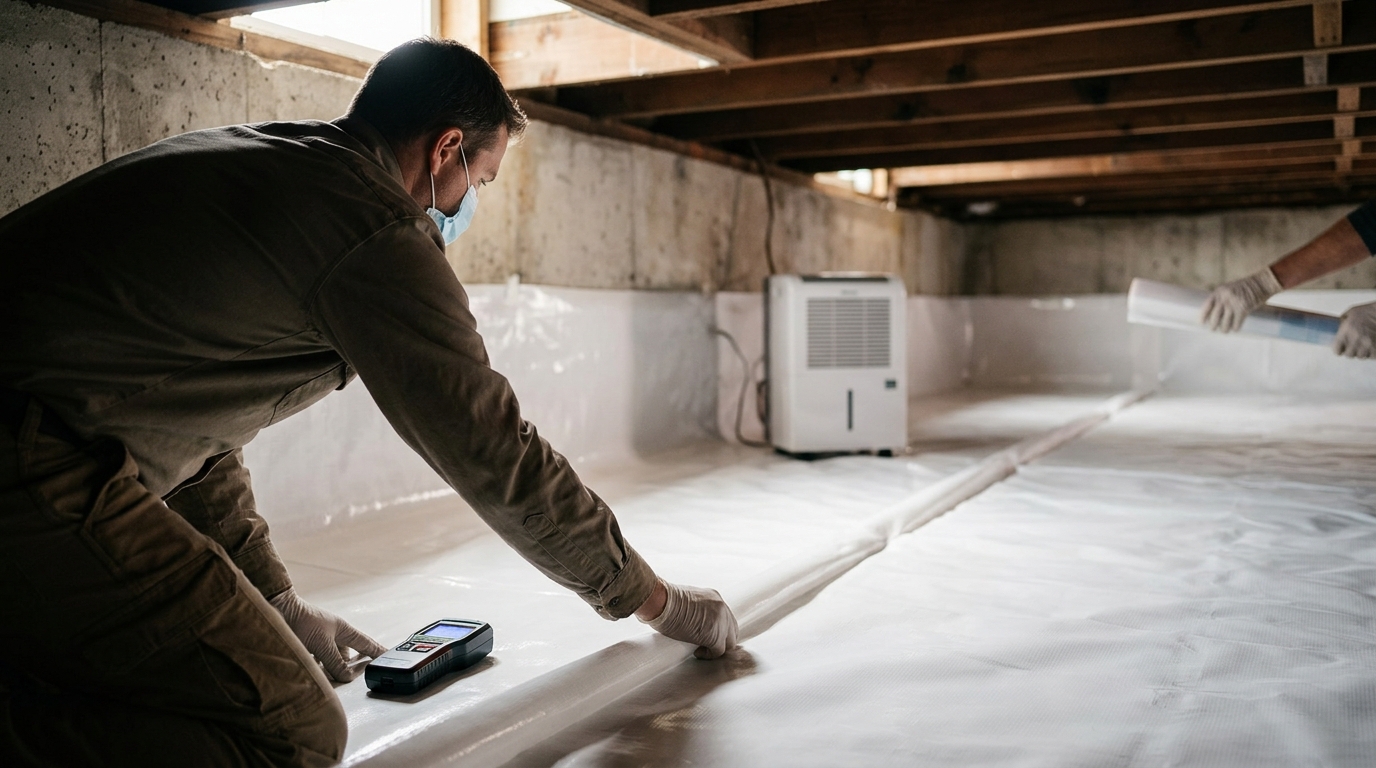
Installing a vapor barrier is not just about laying down plastic. The seams must be sealed with a high-quality tape. YCS Seam Weld Tape is designed specifically for this purpose. It creates a permanent bond that prevents vapor from escaping through the seams. Standard duct tape fails quickly in crawl spaces due to temperature fluctuations and humidity. Using the correct tape is as important as the barrier itself.
The barrier should be installed continuously across the floor and up the foundation walls. It must be secured tightly to prevent air movement underneath. Any gaps or tears compromise the entire system. For wall attachments, use mechanical fasteners or adhesive strips designed for plastic. Ensure the barrier extends at least 12 inches up the foundation wall. This creates a continuous seal that directs moisture toward the perimeter drainage system.
Sealing the vents is a critical part of the process. Open vents allow humid outdoor air to enter the crawl space, leading to condensation. WFP Crawl Space Recessed Vent Covers provide a secure seal that prevents pest entry and air infiltration. Sealing the vents transforms the crawl space from a source of humidity to a controlled environment. This step is essential for the vapor barrier to function correctly.
Material Comparison Matrix
Choosing the right material depends on your budget, climate, and specific home requirements. The table below compares the most common options available for crawl space encapsulation.
| Material Type | Thickness Options | Primary Benefit | Best Use Case |
|---|---|---|---|
| Standard Polyethylene | 6 mil | Low cost, easy installation | Temporary fixes, low moisture areas |
| High-Density Polyethylene | 10 mil, 20 mil | High puncture resistance, durability | Permanent encapsulation, high moisture |
| Reflective Insul-Barrier | 10 mil, 12 mil | Thermal insulation + vapor barrier | Energy efficiency, temperature control |
| Cross-Laminated Poly | 12 mil | Multi-directional strength | Areas with foot traffic or debris |
Key Takeaways
- Material Density Matters: Always choose 10 mil or thicker polyethylene for permanent installations to ensure durability and puncture resistance.
- Seam Integrity is Critical: Use specialized seam weld tape like YCS to create an airtight seal between barrier sheets.
- Reflective Benefits: Reflective barriers like PowerBarrier add thermal value, reducing energy loss through the floor.
- Vent Sealing: Sealing crawl space vents is mandatory to prevent humid outdoor air from entering the encapsulated space.
- Dehumidification: A vapor barrier alone is not enough; active dehumidification is required to manage residual humidity.
- Wall Coverage: Extend the barrier up the foundation walls to create a continuous moisture shield.
- Professional Products: Use contractor-grade materials from suppliers like Walder Foundation Products for long-term results.
Frequently Asked Questions
What is the best thickness for a crawl space vapor barrier?
The best thickness for a permanent crawl space encapsulation is 10 mil to 20 mil. Thicker materials are more resistant to tears and punctures during installation and over time. Standard 6 mil barriers are often too thin for long-term use and can degrade quickly.
Do I need to seal the crawl space vents?
Yes, sealing the vents is essential for a successful encapsulation. Open vents allow humid outdoor air to enter, which condenses on cool surfaces and defeats the purpose of the vapor barrier. Use recessed vent covers to seal them effectively.
What is the difference between a vapor barrier and a moisture barrier?
While often used interchangeably, a vapor barrier is specifically designed to block water vapor transmission. A moisture barrier is a broader term that may include materials that resist liquid water but allow some vapor passage. For crawl spaces, you need a true vapor barrier with a low perm rating.
Can I install a vapor barrier myself?
Yes, DIY installation is possible for homeowners with basic tools. However, proper sealing of seams and edges is critical. Using high-quality tape and ensuring a tight fit against the foundation walls is necessary for effectiveness. Many contractors offer pricing for those who prefer professional installation.
How long does a crawl space vapor barrier last?
A high-quality 10 mil or 20 mil polyethylene vapor barrier can last 20 years or more if installed correctly. UV-stabilized barriers last longer if vents are occasionally open. Lower quality barriers may tear or degrade within a few years.
What is the role of dehumidification in crawl space encapsulation?
Dehumidification removes excess moisture from the air inside the encapsulated space. Even with a vapor barrier, humidity can remain high due to soil moisture and air leaks. A dehumidifier maintains relative humidity below 50 percent, preventing mold and rot.
Are reflective barriers better than standard plastic?
Reflective barriers offer additional thermal insulation benefits. They reflect radiant heat, which can help regulate floor temperatures and reduce energy costs. They also provide the same moisture protection as standard plastic but with added energy efficiency.
Secure Your Home's Foundation Today
Protecting your home from moisture damage starts with the right materials and proper installation. Walder Foundation Products provides the comprehensive range of vapor barriers, tapes, and dehumidification equipment needed for a successful crawl space encapsulation. Visit our product catalog to find the high-density polyethylene and reflective barriers that meet your specific needs. Contact our team at 804-798-3605 or request contractor pricing to get started on your project.