
Best Moisture Barrier Materials for Crawl Spaces: A Complete 2026 Guide
Moisture intrusion is the primary catalyst for structural decay in residential foundations. According to the Environmental Protection Agency, homes with high humidity levels in their crawl spaces are significantly more likely to experience mold growth and wood rot. This guide details the most effective materials for creating a durable, airtight seal against ground vapor and external water intrusion.
Types of Vapor Barriers
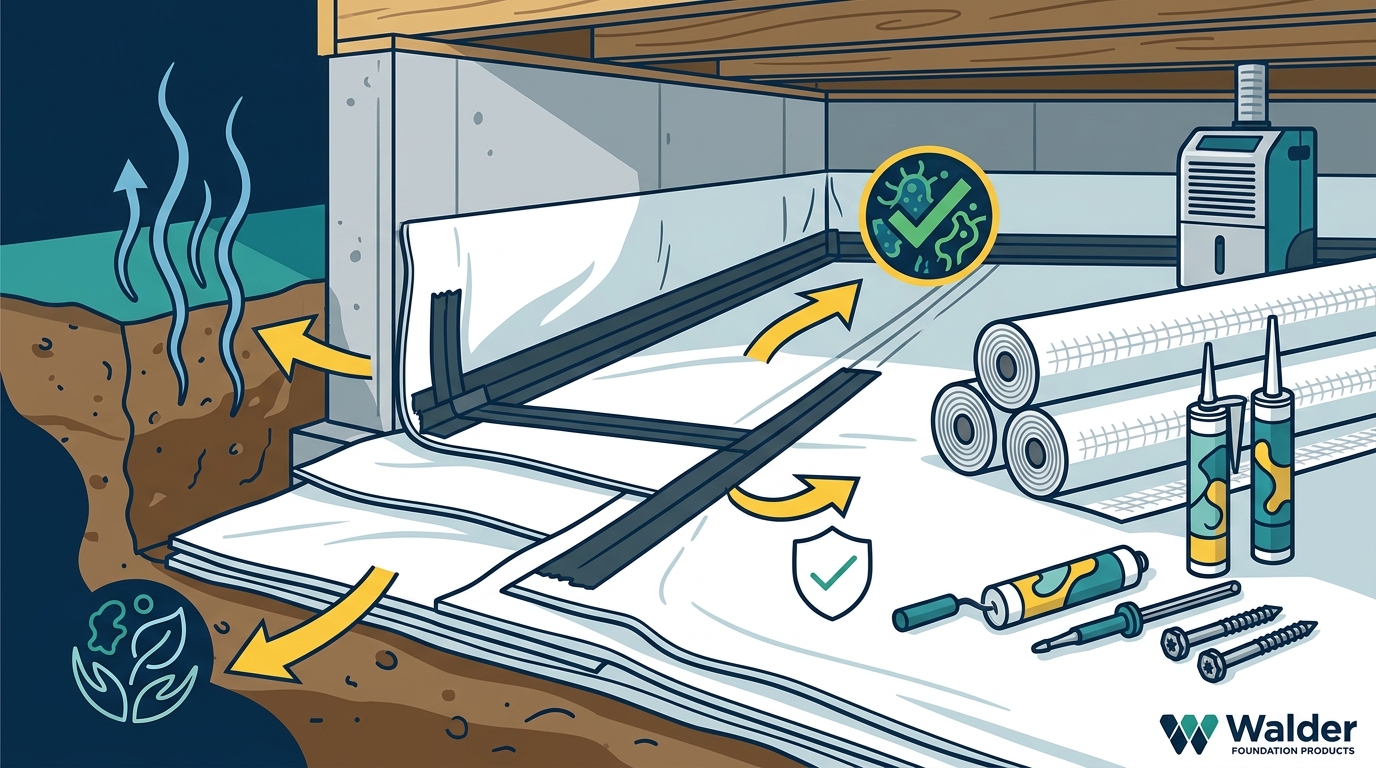
Selecting the correct material depends on the specific environmental conditions of your crawl space. The primary goal is to stop water vapor from migrating from the soil into the living space of your home. This process is known as encapsulation.
Polyethylene Vapor Barriers
Polyethylene is the industry standard for ground vapor barriers. It is a synthetic plastic film that provides an impermeable layer between the soil and the home. These barriers are available in various thicknesses, typically ranging from 6 mil to 20 mil. Thicker materials offer greater puncture resistance and longevity.
Reinforced Vapor Barriers
Reinforced barriers include a mesh or scrim layer embedded within the polyethylene. This reinforcement prevents tearing during installation and provides superior tensile strength. Reinforced barriers are ideal for crawl spaces with uneven ground or sharp rocks.
Aluminum Foil Barriers
Aluminum foil barriers reflect radiant heat and provide a moisture barrier. They are often used in conjunction with insulation to improve thermal performance. However, they are less durable than polyethylene and can be easily punctured.
Material Comparison
Understanding the differences between materials helps in making an informed decision. The table below compares the key attributes of common moisture barrier materials.
| Material Type | Thickness Options | Durability | Best Use Case |
|---|---|---|---|
| Standard Polyethylene | 6 mil to 10 mil | Moderate | Low-moisture environments |
| Reinforced Polyethylene | 12 mil to 20 mil | High | High-moisture or rocky soil |
| Aluminum Foil | Variable | Low | Thermal reflection |
| Composite Barriers | 10 mil to 15 mil | Very High | Long-term encapsulation |
Installation Best Practices
Proper installation is critical for the effectiveness of any moisture barrier. Gaps or tears can compromise the entire system. Follow these guidelines to ensure a successful installation.
Surface Preparation
Before laying the barrier, remove any debris, sharp objects, or standing water from the crawl space floor. A clean surface prevents punctures and ensures a tight seal. Consider using a ground vapor barrier that is specifically designed for direct soil contact.
Seaming and Taping
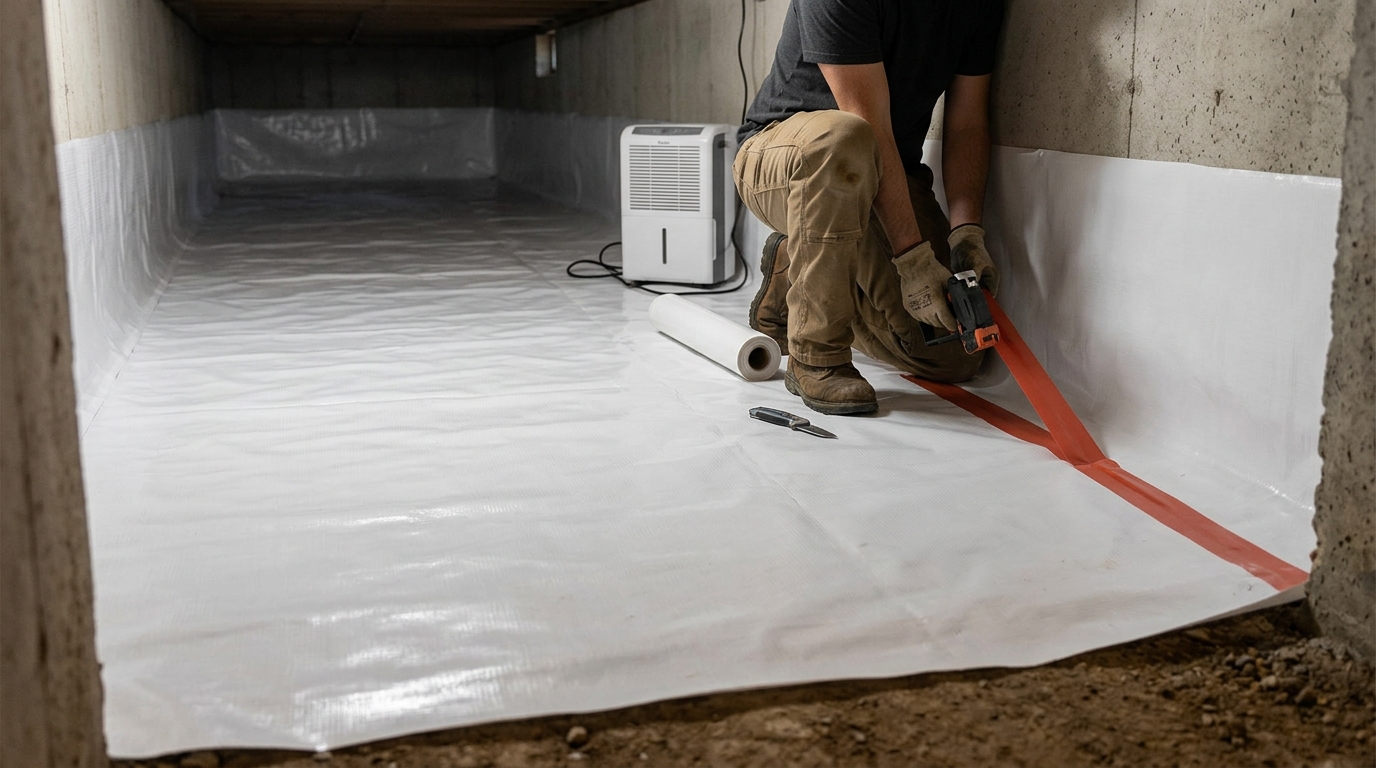
Overlap adjacent sheets of vapor barrier by at least 6 inches. Use a high-quality tape and adhesives rated for moisture barriers. Ensure the tape bonds securely to the plastic to prevent air and moisture leakage.
Wall Attachment
Extend the vapor barrier up the foundation walls by at least 12 inches. Secure it with proseal liner stakes or staples. This creates a continuous seal that prevents moisture from entering from the sides.
Dehumidification Integration
Even with a perfect vapor barrier, humidity can still accumulate. Install a dehumidifier to maintain optimal humidity levels. This step is essential for long-term moisture control.
Frequently Asked Questions
What is the best thickness for a crawl space vapor barrier?
For most residential applications, a 12 mil to 20 mil reinforced vapor barrier is recommended. Thicker materials offer better puncture resistance and longevity.
Can I use a standard plastic sheet for a crawl space?
No. Standard plastic sheets are not durable enough and will tear easily. Use a product specifically designed for crawl space encapsulation.
How often should I replace a crawl space vapor barrier?
A properly installed high-quality vapor barrier can last 10 to 20 years or more. Regular inspections are recommended to check for damage.
Do I need a vapor barrier if I have a concrete floor?
Yes. Concrete floors can wick moisture from the ground. A vapor barrier is still necessary to prevent humidity buildup.
What is the difference between a vapor barrier and a moisture barrier?
The terms are often used interchangeably. A vapor barrier specifically blocks water vapor, while a moisture barrier may also block liquid water.
How do I seal the edges of a vapor barrier?
Use proseal liner stakes or heavy-duty tape to secure the edges to the foundation walls and floor.
Is it necessary to encapsulate the walls as well as the floor?
Yes. Encapsulating both the floor and walls creates a complete seal, preventing moisture from entering from any direction.
Secure Your Home's Foundation Today
Protecting your home from moisture damage starts with the right materials and professional installation. Visit Walder Foundation Products to explore our comprehensive range of crawl space encapsulation supplies, including vapor barriers, tapes, and dehumidifiers. Contact our team for contractor pricing and expert advice.