
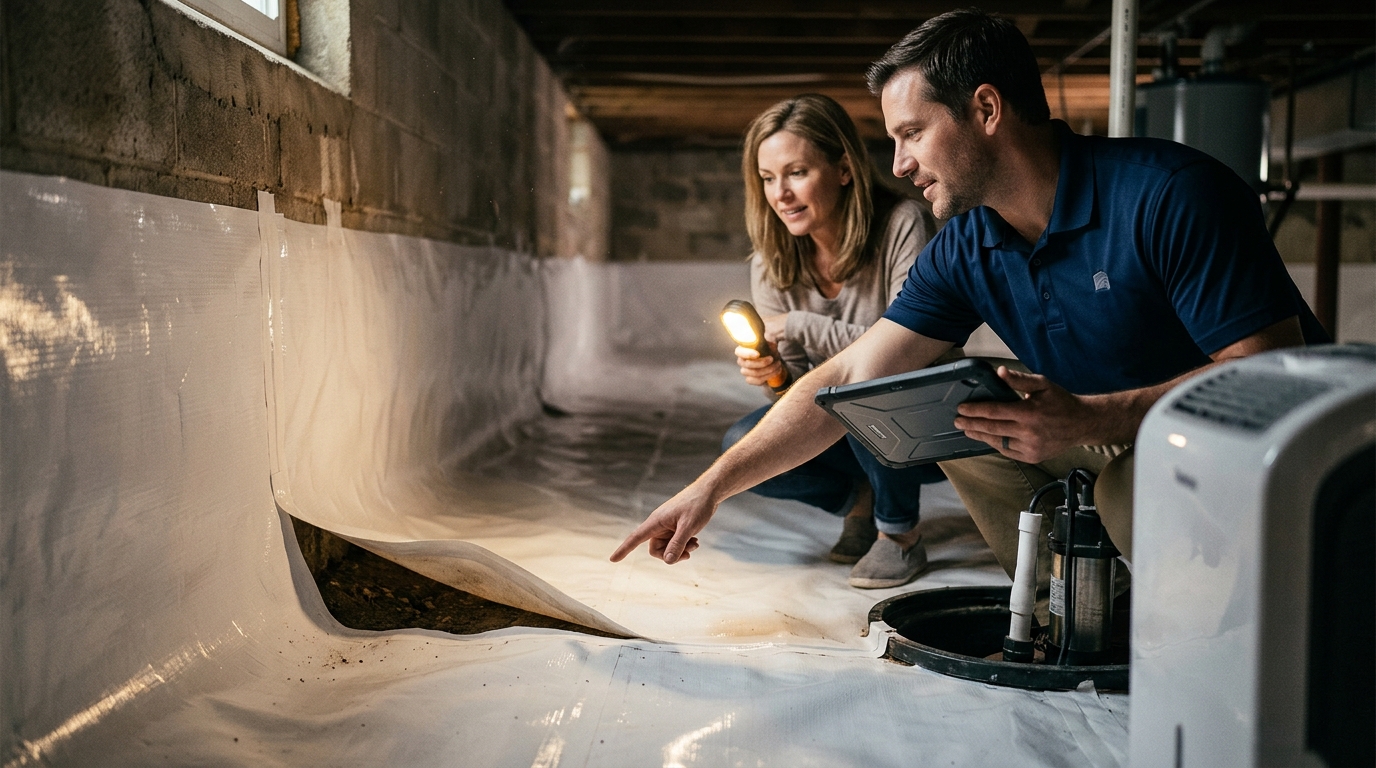
Moisture intrusion is the silent destroyer of residential foundations. According to the Environmental Protection Agency, up to 50% of homes in the United States have moisture problems in their crawl spaces. This statistic highlights the critical need for effective moisture control systems. A high-performance vapor barrier is the first line of defense against this pervasive threat. It prevents ground water vapor from migrating into your home's subfloor structure. Without this protection, wood rot, mold growth, and structural decay can compromise your property's integrity. This guide details the essential criteria for selecting the right vapor barrier for your specific project needs.
Understanding Thickness and Gauge Standards
The thickness of a vapor barrier is the most immediate indicator of its quality. Thinner materials are prone to tearing during installation and may fail under the weight of debris or foot traffic. A standard residential vapor barrier typically ranges from 6 mil to 20 mil in thickness. For most crawl space encapsulation projects, a 20 mil barrier is the recommended standard. This thickness provides a robust shield against punctures and long-term wear.
When evaluating products, look for the mil rating clearly stated on the packaging. A 6 mil barrier is often sufficient for temporary use or light-duty applications. However, permanent encapsulation requires a heavier gauge. Thicker barriers also offer better resistance to UV degradation if the material is exposed during the installation process. Always prioritize durability over initial cost savings. A high-quality barrier protects your investment for decades.
Material Composition and Durability
The chemical composition of the vapor barrier determines its longevity and effectiveness. High-quality barriers are made from high-density polyethylene (HDPE). This material is non-porous and highly resistant to moisture transmission. It also resists chemical degradation from soil gases and radon. Lower-quality barriers may use recycled materials that create weak points in the sheet. These weak points can lead to premature failure and moisture leakage.
Another critical factor is the barrier's resistance to tearing. Look for products that are reinforced or cross-linked. These barriers can withstand the stresses of installation without ripping. They also maintain their structural integrity over time. The surface texture of the barrier can also impact its performance. A smooth surface is easier to clean and less likely to trap dust and debris. This is important for maintaining good indoor air quality.
Critical Sealing Methods and Adhesives
A vapor barrier is only as good as its seams. Even the thickest material will fail if the seams are not properly sealed. You must use a high-quality tape designed specifically for vapor barriers. Standard duct tape or packing tape will not hold up in a crawl space environment. It will dry out, crack, and lose its adhesive properties within months.
Look for tapes that are compatible with the specific material of your barrier. For example, ProSeal Liner products are designed to work seamlessly with other ProSeal components. The tape should have a strong adhesive that bonds to both the barrier and the foundation walls. It must also be resistant to moisture and temperature fluctuations. Proper sealing prevents air leakage and moisture migration through the seams.
Additionally, consider the use of sealants for penetrations. Pipes, wires, and other penetrations in the vapor barrier must be sealed tightly. Use a high-quality silicone or polyurethane sealant for this purpose. This ensures a continuous air and moisture barrier throughout the entire crawl space. Neglecting these details can undermine the entire encapsulation system.
Professional Installation Techniques
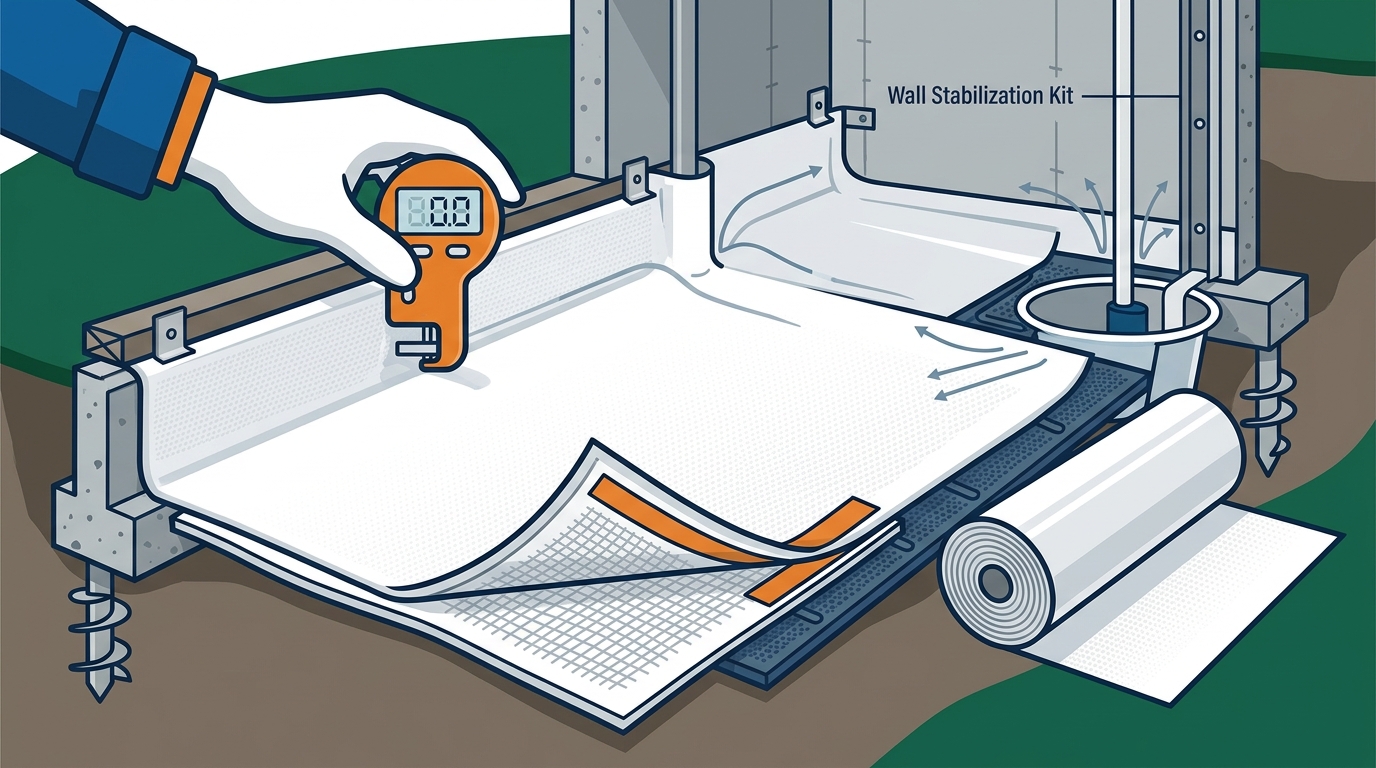
Even the best vapor barrier will fail if installed incorrectly. Proper installation involves stretching the material taut and securing it firmly to the foundation walls. The barrier should extend up the walls at least 12 inches. This creates a continuous seal that prevents moisture from wicking up the foundation.
Use appropriate fasteners to secure the barrier. Staples or cap nails with gaskets are commonly used. Ensure that the fasteners are spaced correctly to prevent sagging. The barrier should be overlapped at the seams by at least 6 inches. This overlap must be sealed with the appropriate tape to prevent moisture intrusion.
Consider the use of a crawl space encapsulation kit for a comprehensive solution. These kits often include all the necessary components for a professional-grade installation. They ensure that all parts of the system are compatible and work together effectively. Proper installation also involves addressing any existing water issues before applying the barrier. This may include installing a waterproofing system or a sump pump.
Comparing Vapor Barrier Options
Selecting the right vapor barrier depends on your specific needs and budget. Below is a comparison of common vapor barrier options available for crawl space encapsulation.
| Product Type | Thickness | Durability | Best Use Case |
|---|---|---|---|
| Standard Polyethylene | 6 mil | Low | Temporary moisture control |
| Reinforced Polyethylene | 10-12 mil | Medium | Residential encapsulation |
| High-Density Polyethylene | 20 mil | High | Permanent encapsulation |
| Wall Vapor Barriers | Varies | High | Foundation wall protection |
Key Takeaways
- Always choose a vapor barrier with a thickness of at least 20 mil for permanent installations.
- High-density polyethylene (HDPE) is the most durable and effective material for moisture control.
- Use specialized vapor barrier tape for all seams; standard tapes will fail quickly.
- Ensure the barrier extends up the foundation walls by at least 12 inches.
- Seal all penetrations with high-quality silicone or polyurethane sealant.
- Consider using a complete crawl space kit for compatibility and ease of installation.
- Address any standing water issues before installing the vapor barrier.
Frequently Asked Questions
How thick should a vapor barrier be for a crawl space?
For a permanent crawl space encapsulation, a vapor barrier should be at least 20 mil thick. Thinner barriers may tear during installation or fail over time due to wear and tear.
Can I use regular plastic sheeting for a vapor barrier?
No, regular plastic sheeting is not suitable for crawl space encapsulation. It is too thin and lacks the durability and moisture resistance required for long-term performance.
How do I seal the seams of a vapor barrier?
Use a high-quality vapor barrier tape specifically designed for this purpose. Overlap the seams by at least 6 inches and tape them securely to create a continuous moisture barrier.
Do I need a vapor barrier on the walls as well as the floor?
Yes, it is recommended to install wall vapor barriers in addition to the floor barrier. This creates a complete encapsulation system that protects the entire crawl space from moisture.
How often should I replace a vapor barrier?
A high-quality vapor barrier, when installed correctly, can last for decades. However, it should be inspected regularly for any signs of damage or wear.
What is the difference between a vapor barrier and a moisture barrier?
The terms are often used interchangeably. However, a vapor barrier is specifically designed to block water vapor transmission, while a moisture barrier may have a broader definition. For crawl spaces, a vapor barrier is the critical component.
Can I install a vapor barrier myself?
Yes, many homeowners successfully install vapor barriers themselves. However, it requires careful attention to detail and proper sealing techniques. For complex projects, professional installation may be recommended.
Contact Walder Foundation Products
Ready to protect your home from moisture damage? Walder Foundation Products offers a comprehensive range of high-quality vapor barriers and encapsulation supplies. Visit our product catalog to find the right materials for your project. Contact our team at 804-798-3605 for expert advice and contractor pricing. We are located in Ashland, Virginia, and serve customers nationwide with free shipping on select items.