
How Thick Should Polyethylene Shaping Be for Crawl Space Moisture Barriers?
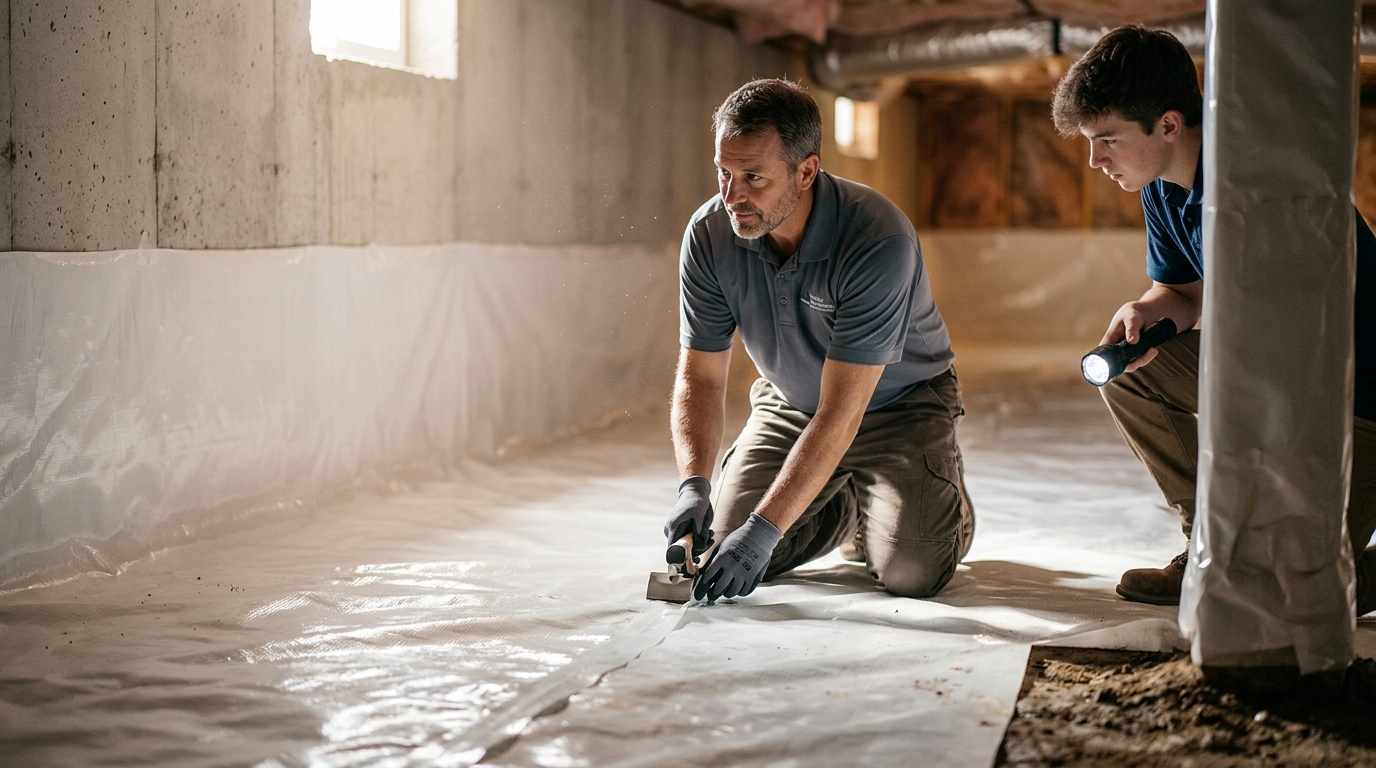
For most residential crawl space applications, a 20-mil (0.020 inch) polyethylene sheet is the standard recommendation. This thickness provides the optimal balance between tear resistance, cost, and ease of installation. Thinner sheets, such as 6-mil or 10-mil, are generally too fragile for the rough conditions found in subfloor areas. Contractors and homeowners should prioritize 20-mil or 30-mil sheets to ensure long-term moisture protection and structural integrity. For additional details, review the .
Understanding Polyethylene Thickness Standards
Polyethylene sheeting thickness is measured in mils, where one mil equals one-thousandth of an inch. In the context of foundation repair and moisture control, the thickness of the barrier directly correlates with its ability to withstand physical stress. A 6-mil sheet is often used for temporary agricultural applications or light-duty wrapping, but it lacks the tensile strength required for a crawl space. When the ground shifts or debris is present, thin sheets tear easily, creating gaps that allow moisture to escape.
The industry standard for permanent crawl space encapsulation is 20-mil polyethylene. This specification is widely adopted because it offers sufficient durability to handle the installation process without being so thick that it becomes difficult to fold or seal. For properties with particularly rocky soil or heavy foot traffic during construction, a 30-mil sheet provides an added layer of protection. Understanding these standards helps buyers select the right material for their specific site conditions.
Why 20-Mil Is the Industry Benchmark
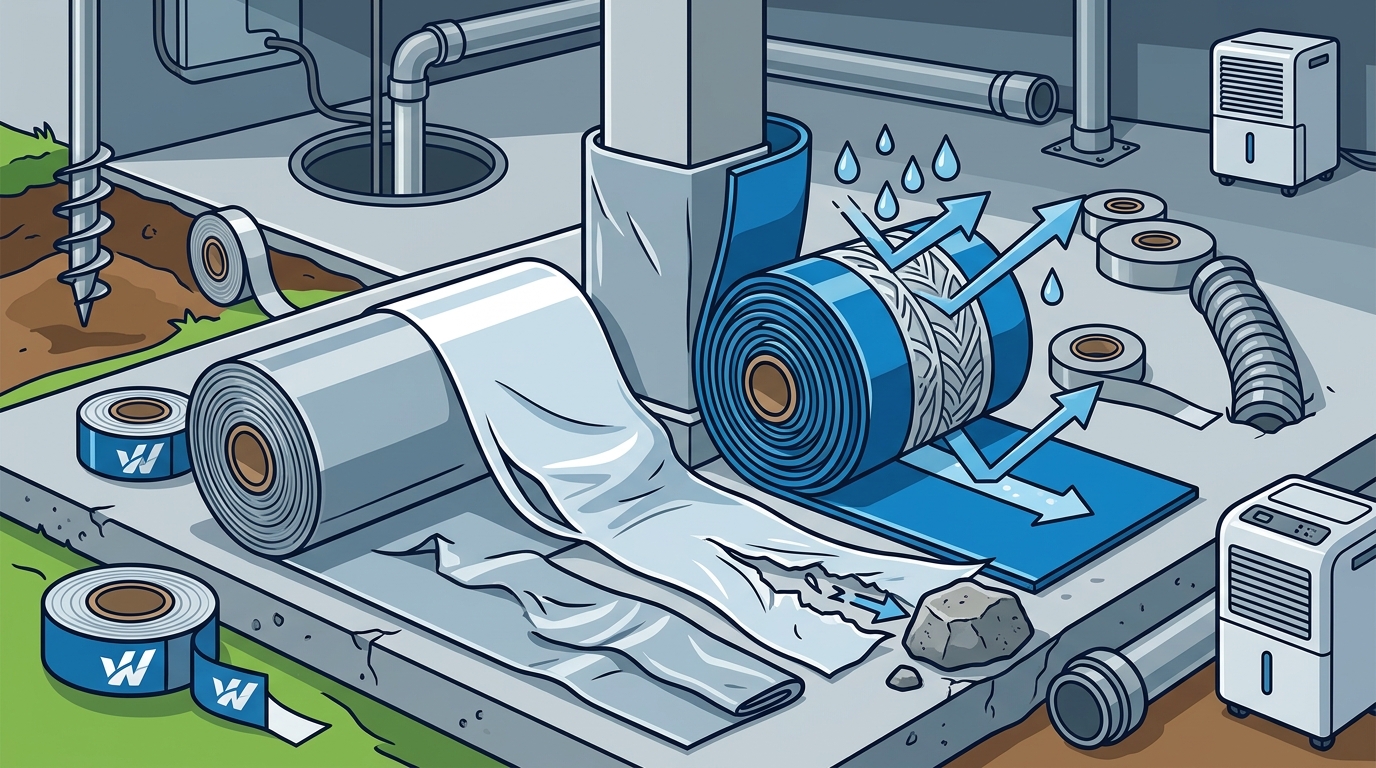
The 20-mil thickness has become the benchmark for a reason. It is thick enough to resist punctures from small rocks and roots that may be present in the crawl space floor. It also provides a robust surface for applying seam tape, which is critical for creating a continuous vapor barrier. If the sheet is too thin, the tape may not adhere properly, or the sheet may stretch and tear at the seams during installation.
Furthermore, 20-mil sheets are easier to work with than heavier gauges. They can be folded and maneuvered around obstacles like pipes and joists without excessive force. This ease of installation reduces labor time and the risk of accidental damage. For contractors, using a consistent 20-mil product simplifies inventory management and ensures predictable performance across different job sites. The balance of strength and flexibility makes it the most versatile option for most residential applications.
When to Choose 30-Mil or Heavier Gauges
While 20-mil is the standard, certain conditions may warrant the use of 30-mil or even 40-mil polyethylene sheeting. These heavier gauges are recommended for commercial properties or residential sites with significant debris. If the crawl space contains large rocks, exposed tree roots, or sharp metal fragments, a thicker sheet is less likely to be punctured. The additional thickness acts as a buffer against physical damage that would compromise a standard 20-mil barrier.
Heavier sheets also offer better resistance to UV degradation if the material is exposed to sunlight during the installation process. Although crawl spaces are typically dark, the period between excavation and full encapsulation can expose the sheet to light. A 30-mil sheet maintains its integrity longer under these conditions. However, it is important to note that thicker sheets are more expensive and can be more difficult to seal. The decision to use a heavier gauge should be based on a site assessment rather than a default choice.
Installation Considerations for Different Thicknesses
The thickness of the polyethylene sheeting affects how it is installed and sealed. Thinner sheets, such as 10-mil, are prone to tearing when pulled tight. This can lead to gaps at the seams, which are the most common points of failure in a moisture barrier system. Contractors must use appropriate seam tape and techniques to ensure a watertight seal. For 20-mil sheets, standard seam tape is usually sufficient, but the tape must be applied with consistent pressure to ensure adhesion.
When working with 30-mil or heavier sheets, the installation process requires more care. The material is stiffer and may not conform as easily to irregular surfaces. This can make it challenging to create a seamless barrier around complex structures. Contractors may need to use additional fasteners or mechanical clips to hold the sheet in place. The goal is to create a continuous barrier that prevents moisture from entering the living space. Proper installation is just as important as the thickness of the sheet itself.
Key Takeaways
- 20-mil polyethylene is the standard recommendation for most residential crawl space moisture barriers.
- 6-mil and 10-mil sheets are generally too thin for permanent crawl space applications and are prone to tearing.
- 30-mil sheets are recommended for sites with heavy debris, rocks, or commercial applications.
- Thickness affects ease of installation; thicker sheets are more durable but harder to seal and maneuver.
- Proper seam sealing is critical regardless of sheet thickness to ensure a continuous moisture barrier.
- Site conditions, such as soil type and debris, should guide the selection of sheet thickness.
Frequently Asked Questions
What is the minimum thickness for a crawl space vapor barrier?
The minimum recommended thickness for a permanent crawl space vapor barrier is 20-mil. Thinner sheets, such as 6-mil or 10-mil, are not durable enough to withstand the physical stresses of installation and long-term use in a crawl space environment.
Is 30-mil polyethylene better than 20-mil?
30-mil polyethylene is more durable and resistant to punctures, making it suitable for sites with heavy debris or rocks. However, it is more expensive and can be more difficult to install and seal. For most standard residential applications, 20-mil is sufficient and more cost-effective.
Can I use 6-mil polyethylene for a crawl space?
It is not recommended to use 6-mil polyethylene for a permanent crawl space moisture barrier. This thickness is typically used for temporary agricultural or construction applications and is too fragile to handle the rough conditions found in a crawl space.
How does thickness affect the lifespan of the barrier?
Thicker sheets generally have a longer lifespan because they are more resistant to physical damage and degradation. A 20-mil or 30-mil sheet is less likely to tear or puncture over time, ensuring that the moisture barrier remains effective for many years.
Do I need to seal the seams of the polyethylene sheet?
Yes, sealing the seams is critical for creating an effective moisture barrier. Unsealed seams allow moisture to pass through, defeating the purpose of the encapsulation. Use appropriate seam tape and ensure that the tape is applied with consistent pressure to create a watertight seal.