
Moisture intrusion is the primary catalyst for structural decay in residential and commercial buildings. Data indicates that inadequate vapor control contributes to significant energy loss and indoor air quality degradation. According to the U.S. Department of Energy, homes can lose up to 30% of their conditioned air through leaks, drafts, and holes in the insulation system. This statistic highlights the critical need for high-performance vapor barriers that not only block moisture but also contribute to overall building envelope efficiency. Understanding the specific classifications and performance standards of these materials is essential for contractors and homeowners aiming to prevent mold growth and foundation damage.
Defining Vapor Barriers and Permeability
A vapor barrier is a material used to control the diffusion of moisture into the building envelope. It is not merely a plastic sheet but a engineered component designed to restrict water vapor transmission. The effectiveness of these barriers is measured by their permeability, which indicates how much water vapor can pass through the material over time. This measurement is crucial for determining the appropriate barrier for specific climate zones and building designs.
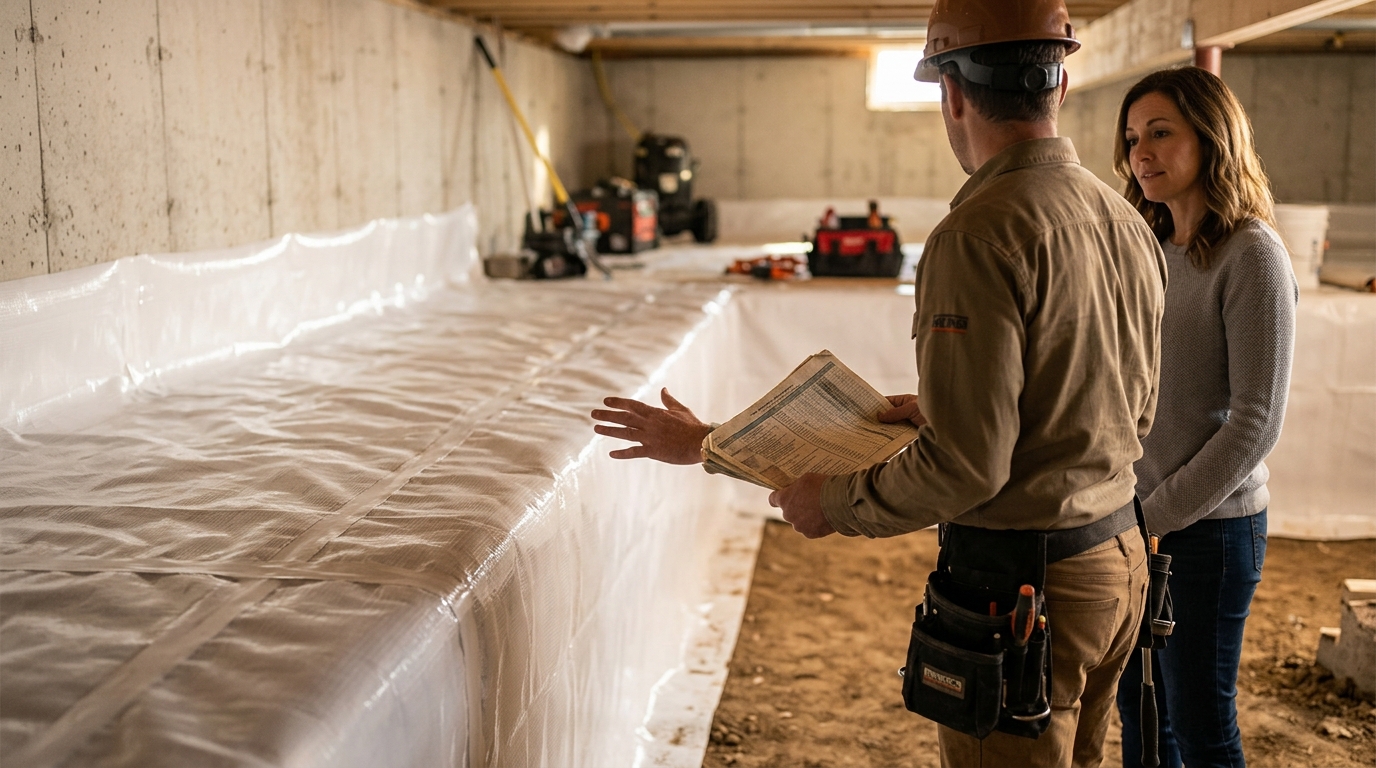
Vapor barriers are typically installed in crawl spaces, basements, and attics. In crawl spaces, they are placed over the dirt floor to prevent ground moisture from evaporating into the living space. This process, known as encapsulation, creates a conditioned environment that protects the home's structural integrity. According to the National Association of Home Builders, proper crawl space encapsulation can reduce humidity levels by up to 50%, significantly improving indoor air quality.
The distinction between a vapor retarder and a vapor barrier is often blurred in casual conversation, but technical standards define them by their permeability ratings. A vapor barrier is a specific type of vapor retarder with very low permeability. Understanding this difference ensures that you select the correct product for your specific project requirements.
Understanding Perm Ratings and Classifications
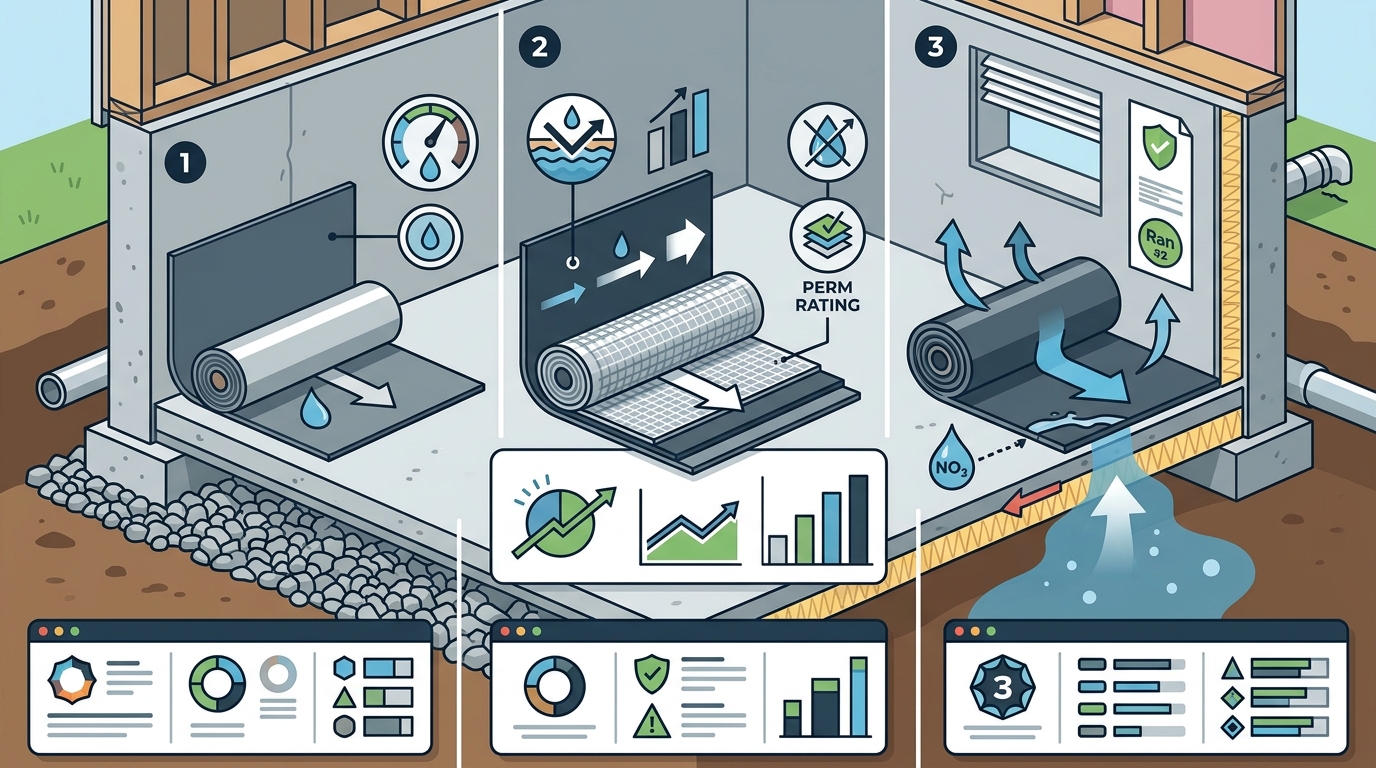
The permeability of a material is expressed in "perms," which represents the rate of water vapor transmission. The American Society for Testing and Materials (ASTM) E96 standard is the primary reference for these tests. This standard outlines two methods for testing permeability: the cup method and the desiccant method. Both methods provide critical data for classifying barriers.
Class I Vapor Barriers
Class I vapor barriers are the most effective at stopping moisture transmission. These materials have a permeability rating of less than 0.1 perms. Common examples include polyethylene sheeting, glass, and certain metal panels. In the context of crawl space encapsulation, 6-mil to 12-mil polyethylene is the industry standard for Class I barriers. These materials are essential in humid climates where ground moisture levels are high.
Class II Vapor Retarders
Class II vapor retarders have a permeability rating between 0.1 and 1.0 perms. These materials allow a small amount of moisture to pass through, which can be beneficial in certain climate zones to prevent trapped moisture within wall cavities. Examples include kraft paper and certain types of paint. While less common in modern crawl space encapsulation, they are still used in specific insulation applications.
Class III Vapor Retarders
Class III vapor retarders have a permeability rating between 1.0 and 3.0 perms. These materials allow more moisture transmission and are typically used in dry climates or specific wall assemblies where drying potential is required. Examples include certain types of plaster and latex paint. For crawl space applications, Class III materials are generally insufficient for preventing ground moisture intrusion.
Material Types and Durability Standards
Not all vapor barriers are created equal. The material composition determines its durability, puncture resistance, and long-term performance. Walder Foundation Products offers a range of high-quality ground vapor barriers designed to meet rigorous industry standards.
Polyethylene Sheeting
Polyethylene is the most widely used material for vapor barriers due to its cost-effectiveness and high performance. It is available in various thicknesses, measured in mils. Thicker sheets offer greater puncture resistance and longevity. For example, 10-mil or 12-mil barriers are preferred for long-term encapsulation projects. These barriers are often reinforced with fiberglass or other materials to enhance strength.
Reinforced Barriers
Reinforced vapor barriers incorporate additional layers of material to increase tensile strength and puncture resistance. These barriers are ideal for rough terrain or areas with sharp rocks and debris. They provide a more durable solution for permanent crawl space encapsulation. According to industry data, reinforced barriers can last up to 50 years when installed correctly, compared to 20-30 years for standard polyethylene.
Wall Vapor Barriers
In addition to ground barriers, wall vapor barriers are essential for controlling moisture in foundation walls. These barriers are typically made from similar materials but are designed for vertical installation. They prevent moisture from wicking up through the concrete or masonry walls. Proper installation of wall barriers is critical for preventing mold growth on interior surfaces.
Installation Protocols and Sealing
Even the highest-rated vapor barrier will fail if installed incorrectly. Proper installation involves careful preparation, precise cutting, and secure sealing. The goal is to create a continuous, airtight seal that prevents moisture from bypassing the barrier.
Surface Preparation
Before installing the vapor barrier, the crawl space floor must be cleared of debris, rocks, and sharp objects. This preparation prevents punctures and tears in the material. Any existing mold or mildew should be treated and removed to ensure a clean surface. According to the EPA, mold can begin to grow within 24 to 48 hours after water exposure, making prompt remediation essential.
Sealing Seams and Edges
Seams between sheets of vapor barrier must be sealed with high-quality tape. WFP Pro Tape is an exclusive Walder Foundation Products tape designed for this purpose. It provides a strong, durable bond that resists peeling and degradation over time. Edges should be sealed to the foundation walls using appropriate adhesives or mechanical fasteners. This creates a continuous barrier that extends from the floor to the walls.
Integrating with Dehumidifiers
A vapor barrier works in conjunction with a dehumidifier to maintain optimal humidity levels. The barrier reduces the moisture load, allowing the dehumidifier to operate more efficiently. This combination is critical for maintaining a dry, healthy crawl space. Products like the Aprilaire dehumidifiers are designed to work seamlessly with encapsulated crawl spaces.
Comparing Barrier Options
Choosing the right vapor barrier depends on several factors, including climate, budget, and project duration. The following table compares common vapor barrier options to help you make an informed decision.
| Barrier Type | Permeability Rating | Durability | Best Use Case |
|---|---|---|---|
| 6-Mil Polyethylene | < 0.1 perms | Low | Temporary moisture control |
| 10-Mil Reinforced | < 0.1 perms | High | Permanent encapsulation |
| Kraft Paper | 0.1 - 1.0 perms | Medium | Wall insulation backing |
| Aluminum Foil | < 0.1 perms | Medium | Reflective insulation systems |
Key Takeaways
- Class I Classification: Vapor barriers with less than 0.1 perms are required for effective crawl space encapsulation.
- Material Thickness: Thicker polyethylene (10-mil or more) offers superior puncture resistance and longevity.
- Sealing is Critical: Unsealed seams and edges compromise the entire barrier system, allowing moisture bypass.
- Climate Considerations: Humid climates demand higher-performance barriers and integrated dehumidification.
- Professional Installation: Proper surface preparation and sealing are essential for long-term performance.
- Brand Reliability: Walder Foundation Products provides contractor-grade materials tested for durability.
- Energy Efficiency: Effective vapor barriers reduce HVAC load and improve home energy ratings.
Frequently Asked Questions
What is the difference between a vapor barrier and a moisture barrier?
A vapor barrier specifically restricts the diffusion of water vapor, while a moisture barrier may refer to liquid water resistance. In crawl space applications, the terms are often used interchangeably, but vapor barriers are the standard for controlling humidity.
How thick should a vapor barrier be for a crawl space?
For permanent encapsulation, a minimum of 10-mil thickness is recommended. Thicker barriers provide better puncture resistance and last longer. Standard 6-mil barriers are suitable for temporary use but may degrade quickly.
Can I install a vapor barrier myself?
Yes, DIY installation is possible with careful preparation and sealing. However, professional installation ensures a continuous seal and proper integration with other systems like dehumidifiers. Walder Foundation Products offers resources for both contractors and DIYers.
What tape should I use to seal vapor barrier seams?
Use a high-quality, durable tape designed for polyethylene. WFP Pro Tape is an exclusive product from Walder Foundation Products that provides a strong, long-lasting bond. Avoid standard duct tape, which degrades over time.
Do I need a dehumidifier with a vapor barrier?
While a vapor barrier significantly reduces moisture, a dehumidifier is often recommended to maintain optimal humidity levels, especially in humid climates. This combination ensures a dry, healthy crawl space environment.
How long does a vapor barrier last?
High-quality, reinforced vapor barriers can last 20 to 50 years. Standard polyethylene may degrade in 10 to 20 years depending on environmental conditions. Regular inspections can help identify potential issues early.
What is the best vapor barrier for basement walls?
Wall vapor barriers should be compatible with the wall material and climate. Polyethylene sheets or specialized wall liners are common choices. Proper sealing at the floor and ceiling is critical for effectiveness.
Secure Your Foundation Today
Protecting your home from moisture damage starts with selecting the right vapor barrier and ensuring proper installation. Walder Foundation Products offers a comprehensive range of high-performance materials designed for durability and efficiency. Visit our product catalog to explore our selection of ground vapor barriers, tapes, and dehumidifiers. Contact our team for contractor pricing and expert advice on your next project.