
Cost-Benefit Analysis of Crawl Space Drainage Systems for Contractors
Water intrusion in crawl spaces is a leading cause of structural degradation and indoor air quality issues across the United States. According to the EPA, moisture control is the single most critical factor in preventing mold growth and preserving the integrity of foundation materials. For contractors, understanding the financial implications of various drainage solutions is not just about installation costs, but about long-term liability reduction and client retention. This guide analyzes the return on investment for perimeter drainage, sump pump integration, and vapor barriers to help you make data-driven decisions.
Understanding Crawl Space Drainage Systems
Effective crawl space management requires a multi-layered approach. Walder Foundation Products provides a comprehensive suite of tools designed to address these challenges. The core components include perimeter drainage, moisture barriers, and active water removal.
Perimeter Drainage
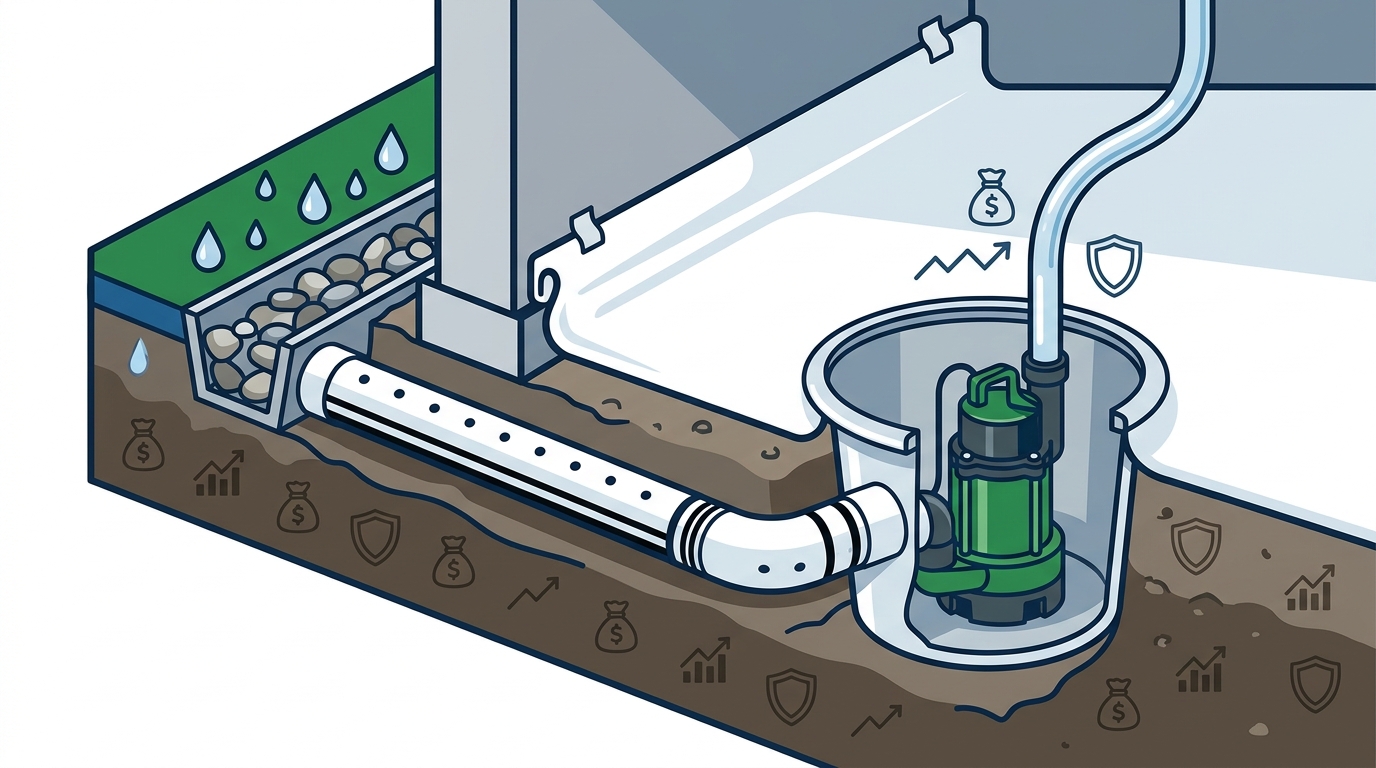
Perimeter drainage systems, often referred to as French drains, are installed along the interior perimeter of the foundation wall. They collect groundwater and direct it toward a sump pit. This method is essential for homes with high water tables or poor exterior grading.
Active Water Removal
Sump pumps are the active component of the drainage system. They pump collected water away from the foundation to a safe discharge point. Without a reliable sump pump, even the best drainage system can fail during heavy rainfall events.
Vapor Barriers
Vapor barriers are thick polyethylene sheets installed on the crawl space floor and walls. They prevent ground moisture from evaporating into the crawl space air. Walder Foundation Products offers high-density options that resist punctures and tears during installation.
Cost Breakdown by System Type
Contractors must balance upfront material costs with labor efficiency and long-term durability. Below is an analysis of the primary cost drivers for each system.
Perimeter Drainage Costs
The cost of perimeter drainage includes excavation, pipe materials, and labor. Per linear foot, this can range significantly based on soil conditions and accessibility. According to Built Green, proper drainage installation can reduce foundation repair costs by up to 30% over the life of the home.
Sump Pump Installation Costs
Sump pump costs vary by type, with pedestal pumps being less expensive than submersible models. However, submersible pumps offer better performance and longevity. AprilAire offers specialized kits that integrate seamlessly with dehumidification systems for enhanced moisture control.
Vapor Barrier Material Costs
Vapor barrier materials are priced by the square foot. Thicker barriers (10-20 mil) cost more but provide superior protection against tears and punctures. Walder Foundation Products provides durable options that meet industry standards for moisture resistance.
Long-Term Benefits and ROI
The financial benefits of investing in high-quality drainage systems extend beyond immediate water removal. They include reduced maintenance costs, improved energy efficiency, and increased property value.
Reduced Maintenance Costs
Properly installed drainage systems reduce the frequency of water intrusion events. This leads to fewer emergency service calls and lower long-term maintenance costs for homeowners. According to Energy Star, a dry crawl space can improve home energy efficiency by up to 20%.
Improved Energy Efficiency
Moisture in the crawl space can compromise insulation effectiveness. By keeping the space dry, contractors help homeowners maintain consistent indoor temperatures and reduce HVAC loads. Walder Foundation Products offers insulation solutions that complement drainage systems for maximum efficiency.
Increased Property Value
Homeowners with documented crawl space moisture control systems often see a higher resale value. Buyers are willing to pay a premium for homes with proven protection against water damage and mold.
Comparative Analysis of Solutions
Choosing the right system depends on the specific needs of the property. The following table compares the primary options.
| System Type | Upfront Cost | Maintenance Level | Longevity | Best For |
|---|---|---|---|---|
| Perimeter Drainage | High | Low | 20+ Years | High Water Tables |
| Sump Pump | Medium | Medium | 10-15 Years | Active Water Removal |
| Vapor Barrier | Low | Low | 15+ Years | Moisture Prevention |
| Dehumidifier | Medium | Low | 10+ Years | Air Quality Control |
Key Takeaways for Contractors
- Integrated Approach: Combine perimeter drainage with vapor barriers for maximum protection against water intrusion.
- Quality Materials: Invest in high-density vapor barriers and durable sump pumps to reduce long-term maintenance.
- Energy Savings: A dry crawl space can improve home energy efficiency by up to 20%, a key selling point for homeowners.
- Liability Reduction: Proper drainage systems significantly reduce the risk of foundation damage and mold-related claims.
- Client Education: Explain the long-term ROI to clients to justify the upfront investment in quality systems.
- Regular Maintenance: Schedule annual inspections of sump pumps and drainage paths to ensure optimal performance.
- Brand Trust: Partner with reputable suppliers like Walder Foundation Products to ensure product reliability and contractor support.
Frequently Asked Questions
What is the average cost of installing a crawl space drainage system?
The average cost varies by region and system complexity, but typically ranges from $2,000 to $10,000 for a complete encapsulation and drainage solution.
How often should a sump pump be maintained?
Sump pumps should be tested quarterly and inspected annually to ensure proper operation during heavy rainfall events.
What is the difference between a vapor barrier and a dehumidifier?
A vapor barrier prevents ground moisture from entering the crawl space, while a dehumidifier removes moisture from the air already present in the space.
Can I install a crawl space drainage system myself?
While DIY is possible, professional installation ensures proper grading, sealing, and compliance with local building codes.
How does a dry crawl space affect home energy bills?
A dry crawl space can reduce HVAC loads by up to 20%, leading to lower monthly energy bills for homeowners.
What materials are best for perimeter drainage?
Perforated PVC or corrugated HDPE pipes are commonly used for their durability and resistance to clogging.
Why is contractor pricing important for drainage projects?
Contractor pricing offers significant discounts on bulk materials, allowing professionals to maximize their profit margins while delivering high-quality results.
Schedule Your Consultation
Ready to optimize your crawl space drainage projects? Contact Walder Foundation Products today to discuss your needs and access exclusive contractor pricing. Visit our product catalog to explore our full range of drainage and moisture control solutions.